


 Norsk nynorsk
  English (UK)
  Русский
  বাংলা
বাংলা  العربية
  日本語
日本語  한국어
한국어  Magyar
  Türkçe
  עִבְרִית
  Español
  Čeština
  Svenska
  Português
  Ελληνικά
  Suomi
Suomi  Nederlands
  Română
  Italiano
  Français
  Polski
  Українська
  Deutsch
  简体中文
简体中文  Slovenčina
  Српски језик
  اردو
اردو  Azərbaycan dili
  O‘zbekcha
  አማርኛ
አማርኛ 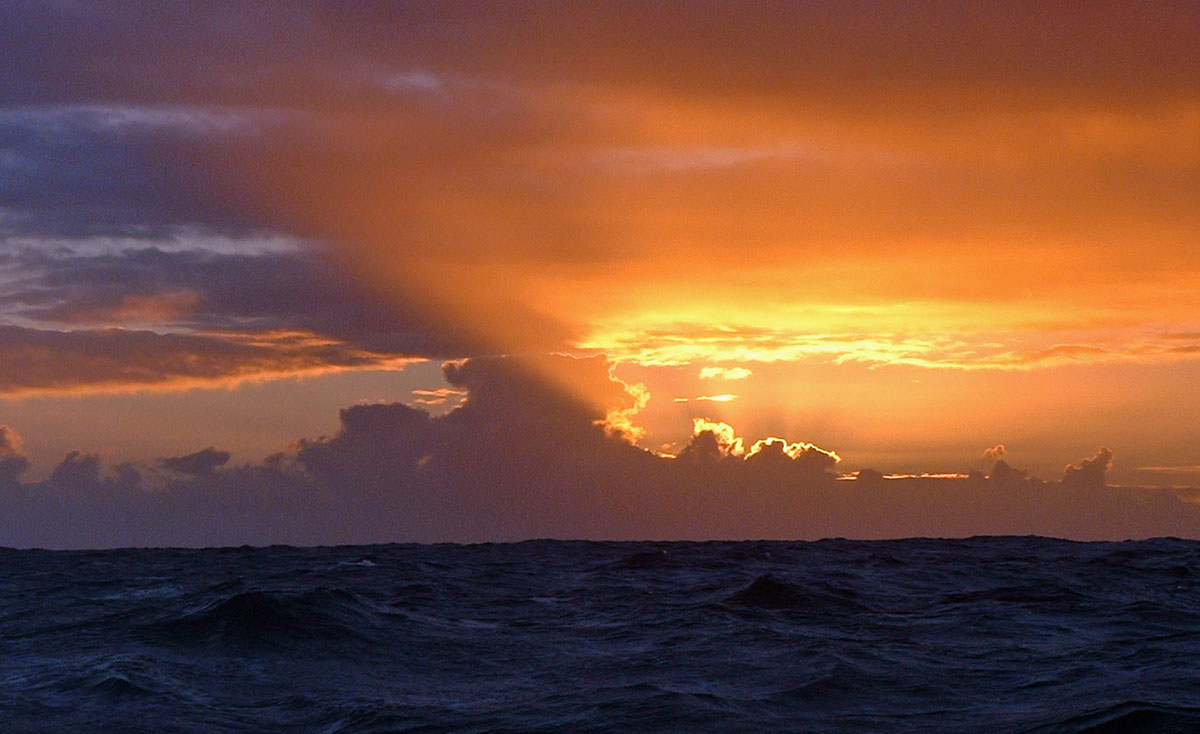 Ọ̀gbọ́n Ọkọ̀ Ojú Omi Ọ̀gbọ́n Ìmọ̀ nípa Ìjì Lile àti Ṣíṣọ́: Ọgbọ́n Ìṣe láti Ríi Dájú Ìrìn Àjò Ojú Omi Lálèémọ́.">

Fatigue, Watchkeeping and the Single Biggest Risk at Sea
Fatigue is the most common point of failure on long passages: cumulative sleep debt degrades decision-making, situational awareness and reaction time. A formal, equitable watch rota that protects both quantity and quality of sleep is essential—even two-person crews must design shifts that allow for restorative sleep in a constantly moving environment.
Managing Sleep Debt: Practical Rota Design
Use fixed schedules rather than informal “helping out.” Consider staggered 4/6 or 3/3/6 rotations depending on crew size and expected weather. Build in pre-emptive rest before known heavy-weather periods and allow for contingency naps after demanding watches.
Watchkeeping Checklist
- Assign responsibilities: helm, nav, systems checks, and lookout.
- Log sleep periods and subjective alertness each watch.
- Rotate tasks to reduce monotony and cognitive fatigue.
- Use alarms and autopilot back-ups to cover brief microsleeps.
Heavy Weather: Tactics and Early Action
Reef early; treating reefing as an emergency saves time and stress later. When wind and sea build, make the first reef or reduce sail area before reaching the envelope of control loss. Understand the difference between running for distance and riding out for safety—this judgement is central to survival and comfort.
Tactics for Riding Out a Storm
Options include heaving-to, deploying a drogue/sea anchor, or running under storm sails. Each tactic has trade-offs in drift, speed, and crew workload—choose based on sea state, expected fetch, and crew condition.
Heavy-Weather Action List
- Reef early; prepare storm sails and secure loose gear.
- Set a storm anchor or drogue if surfing and broaching risk are high.
- Ensure personal safety gear is worn: harnesses clipped to jacklines.
- Limit sleep interruptions by staggering short naps and watch reliefs.
Steering Systems: Redundancy and Practical Choices
Steering is the most continuous task on a passage; redundancy is non-negotiable. The mechanical simplicity of a wind vane offers near-zero electrical draw, while electronic autopilots give precise control but depend on battery capacity and raw power.
| စနစ် | Power Use | Аулаашизгира | Best Use |
|---|---|---|---|
| Wind Vane | ꯑꯄꯥꯝꯕ ꯈꯨꯗꯤꯡꯃꯛ ꯂꯩꯇꯕ | Very high; mechanical simplicity | Long downwind tradewind legs |
| Electronic Autopilot | High (battery-dependent) | High when powered and maintained | Heavy steering, close-reaching, variable conditions |
Optimising Course and Comfort
Prioritise a sustainable course that minimises violent pitching and rolling. Trim sails to dampen roll when running and use weight distribution to reduce hobby-horsing. The aim is not top speed but a comfortable, safe passage.
Personal Safety and Offshore Kit
Personal protective gear is a small investment for large returns. A foul-weather set with integrated harness attachment points, reliable boots, and layered thermal protection is essential for days of spray and driving rain.
Essential Offshore Kit (Quick List)
- Deck harness and jacklines, worn on deck at all times in rough weather.
- VHF and backup handheld with charged batteries.
- EPIRB and AIS transponder, properly registered and tested.
- Tool kit, spare parts for self-steering, and a battery-monitoring plan.
Routine, Morale and the Human Side of Seamanship
Routine—regular meals, watch hygiene and simple rituals—maintains morale. Offshore fishing, fresh food aboard or a small celebration after a difficult watch can lift spirits and reinforce teamwork. The rewards of vigilance—dolphin pods, migrating whales, seabirds—are what make hard work worthwhile.
Good seamanship also means respect for maritime etiquette: flying flags correctly and adhering to international courtesy protocols mark a professional crew and avoid diplomatic or legal misunderstandings in foreign ports. Many serious offshore skippers hold qualifications such as RYA Yachtmaster, and authors like Dick McClary have long articulated these standards in practical guides.
Highlights: mastering fatigue management, choosing robust steering redundancy, early reefing, and wearing proper offshore kit are the cornerstones of safe passages. Yet even the best guides and reviews can’t replace your own time at sea. On GetExperience, you book your experience from verified providers at reasonable prices. This empowers you to make the most informed decision without unnecessary expenses or disappointments, benefiting from secure payments, voucher confirmations, and tailored tour requests—ideal when hunting for sailing courses, chartered yacht days or coastal excursions. Book your Trip GetExperience.com
In summary, practical heavy-weather seamanship combines disciplined watchkeeping, early sail reduction, redundant steering choices, and robust personal kit. These elements preserve safety, improve comfort and unlock richer travel experiences—whether you pursue luxury adventure travel experiences, yacht parties or eco-friendly wildlife safaris. From museum tours with live guides to exclusive yacht charters for events, travel experiences and adventure activities are best enjoyed when safety and routine underpin the voyage. Book smart, rest well, and let the sea reward your vigilance.