


 Norsk nynorsk
  English (UK)
  Русский
  বাংলা
বাংলা  العربية
  日本語
日本語  한국어
한국어  Magyar
  Türkçe
  עִבְרִית
  Español
  Čeština
  Svenska
  Português
  Ελληνικά
  Suomi
Suomi  Nederlands
  Română
  Italiano
  Français
  Polski
  Українська
  Deutsch
  简体中文
简体中文  Slovenčina
  Српски језик
  اردو
اردو  Azərbaycan dili
  O‘zbekcha
  አማርኛ
አማርኛ 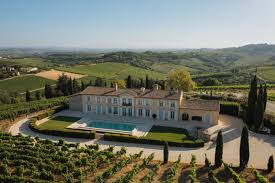 Ọ̀jà àwọn arìnrìn-àjò afẹ́ nílẹ̀ Faransé ti di gbígbòòrò pẹ̀lú owó tí ó tó USD 153.63 Bílíọ̀nù ní ọdún 2031">

Strong Growth in France’s Luxury Travel Sector
The luxury travel sector in France is on a rapid growth track, driven by an increasing desire among travelers for unique and exotic vacations. This vibrant market is expected to reach an impressive USD 153.63 billion by 2031, with an annual growth rate estimated around 20.4% to 20.6%. Such expansion highlights the broadening interest of middle and upper middle-class travelers and reflects evolving consumer behavior shaped by online booking trends and the influential power of social media within the travel industry.
Key Drivers Fueling the Market Expansion
Several critical factors contribute to the flourishing luxury travel market in France:
- Growing demand for unique and exotic experiences: Travelers are increasingly drawn to off-the-beaten-path adventures and exclusive retreats that offer cultural immersion and novel activities.
- Rising spending power: As the middle and upper middle classes expand and increase their disposable income, expenditure on luxury travel experiences continues to climb.
- Online booking convenience: The rising trend of booking travel online simplifies the purchasing process and expands accessibility to luxury options.
- Impact of social media: Platforms influence traveler choices by showcasing aspirational destinations and experiences, effectively driving attention and bookings.
Market Segmentation: Types of Travelers and Tours
The luxury travel market segments offer insights into shifting preferences:
| Segment | Market Share or Growth Trend |
|---|---|
| Adventure and Safari Tours | Held the largest market share in 2020, signaling strong interest in thrill-seeking and nature-based luxury experiences. |
| Absolute Luxury Travelers | Projected to remain the most lucrative segment through 2030, focusing on the highest-end travel products and services. |
| Culinary Tourism and Shopping | Expected to grow at the fastest compound annual growth rate (CAGR), reflecting the allure of gastronomy and upscale retail therapy in France. |
Who Are the Luxury Travelers?
The bulk of luxury travel demand springs from middle-aged groups (41-60 years), combining a matured palate for culture, fine cuisine, and exclusive experiences. Beyond age, a significant influence also comes from the younger wealthy millennials who aspire to highly personalized and technologically enhanced travel experiences, further expanding the market’s diversity.
Embracing Technology and Innovation
Luxury travel companies in France are harnessing cutting-edge technologies to elevate customer experiences. From virtual reality devices like Oculus Rift that allow immersive previews, to artificial intelligence systems that personalize travel itineraries, the market is innovating to meet discerning traveler expectations.
Wearable tech such as GoPro adds value to adventure seekers by capturing their experiences, while advances in 3D printing evolve bespoke luxury goods and travel accessories. These technological leaps not only enhance traveler satisfaction but also help operators stand out in a competitive landscape.
Industry Players and Market Strategies
Several prominent players dominate the France luxury travel market, including Cox and Kings Ltd, TUI Group, Voyageurs Du Monde, Prestige Voyages, Abercrombie & Kent Ltd, Kuoni, Voyages Confidential, Ponant, Asia.Fr, and Beachcomber. To fortify their leadership, these companies employ strategies such as partnerships, joint ventures, and market expansions to capitalize on emerging opportunities.
Ọ̀wọ́n àwọn Ìṣòro àti Àǹfààní tí ń bẹ níwájú
Despite the buoyant growth outlook, the market faces a few challenges:
- Socio-economic fluctuations: Changing economic conditions could influence consumer spending power and travel preferences.
- Natural events: Environmental factors may impact travel patterns and destination appeal.
Conversely, new travel destinations and an increasing demand for higher service standards present lucrative opportunities for industry stakeholders.
Table of Key Market Drivers and Restraints
| Drivers | Restraints |
|---|---|
| Rising middle and upper middle class expenditure | Socio-economic variability affecting travel budgets |
| Growing popularity of online bookings and social media influence | Environmental uncertainties and natural disruptions |
| Interest in authentic cultural and exotic travel experiences | Potential saturation of traditional luxury spots leading to more competition |
Luxury Travel and Tourism: A Symbiotic Relationship
The luxury travel sector profoundly influences France’s tourism landscape by attracting high-value tourists who seek exclusive experiences like ìrìn-àjò safarì, culinary travels, na adventure activities. Such clientele often explore cultural and natural heritage through àwọn ìbẹ̀wò musiọ́mù pẹ̀lú àwọn olùtọ́nisọ́nà ààyè, enriching their travel adventures. This, in turn, drives investment in infrastructure and diversity of services across the tourism spectrum.
Ọ̀ǸFÙN ÌRÍRÍ ARA ẸNI
While market reports and reviews provide valuable insights, nothing truly beats experiencing a destination firsthand. Platforms like GetExperience.com enable travelers to book with verified providers, ensuring transparency and reliability. Their service allows secure full payments with voucher confirmation and options to request tailored tours or excursions that match personal preferences, giving travelers confidence and convenience.
This website offers a wealth of choices, from luxury travel experiences to interactive cultural workshops, making it an excellent ally in crafting memorable trips without incurring unnecessary costs or disappointments. Book now to unlock exclusive offers and seamless planning with GetExperience.com.
Summary
Ntọala ahịa njem okomoko France na-aga ịrị elu n'ime afọ iri na-abịanụ, nke ihe ndị njem chọrọ maka ahụmahụ pụrụ iche, omenala na-emikpu emi, na nke dị elu na-akpali. Njem njem na safari nwere nnukwu ọnọdụ yana mmasị na-eto eto na njem nri na ịzụ ahịa. Ọganihu teknụzụ na mmegharị ụlọ ọrụ atụmatụ na-ebuli ogo ọrụ na ahụmịhe elu.
Gbɔŋ gbɔŋɖeŋu siawo zazã kple ame ŋutɔ ƒe mɔzɔzɔ ƒe ɖoɖowo wɔnɛ be ame zɔna mɔ le mɔ gbɔŋgbɔŋŋutɔŋu si gbɔŋ tso alɔgbɔŋɖeŋu siwo gbɔŋnaŋlɔŋŋuŋlɔŋ gbɔŋ. To gbɔŋgbɔŋɖeŋuŋutinunyaŋuŋuŋu gbɔŋŋŋ si gbɔŋŋŋŋɔŋŋŋ dzi gbɔŋŋŋŋ gbɔŋŋ gbɔŋŋŋŋ—tso gbɔŋŋŋŋ si gbɔŋ gbɔŋŋ gbɔŋŋ gbɔŋŋ gbɔŋŋgbɔŋŋŋ dzi. gbɔŋŋŋŋŋ gbɔŋŋŋŋŋŋŋŋŋ gbɔŋŋŋŋŋŋŋŋgbɔŋ gbɔŋŋgbɔŋŋŋŋŋŋgbɔŋ. Mɔzɔzɔ gbɔŋgbɔŋŋŋŋ gbɔŋŋŋŋgbɔŋ gbɔŋŋŋŋgbɔŋgbɔŋgbɔŋgbɔŋŋŋŋ dzi, gbɔŋŋ gbɔŋŋŋŋ gbɔŋŋŋŋgbɔŋgbɔŋgbɔŋŋŋ gbɔŋ gbɔŋŋgbɔŋ gbɔŋŋgbɔŋ gbɔŋŋŋgbɔŋ.