


 Norsk nynorsk
  English (UK)
  Русский
  বাংলা
বাংলা  العربية
  日本語
日本語  한국어
한국어  Magyar
  Türkçe
  עִבְרִית
  Español
  Čeština
  Svenska
  Português
  Ελληνικά
  Suomi
Suomi  Nederlands
  Română
  Italiano
  Français
  Polski
  Українська
  Deutsch
  简体中文
简体中文  Slovenčina
  Српски језик
  اردو
اردو  Azərbaycan dili
  O‘zbekcha
  አማርኛ
አማርኛ 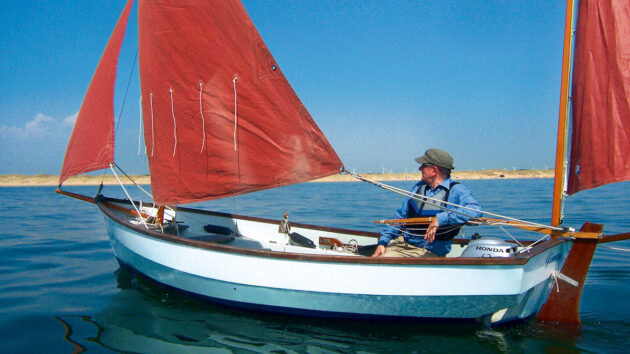 Agbọrọsọ lọra, wake kekere: idi ti Emsworth Luggers ati Folkboats ṣe dara fun irin-ajo ọrẹ ẹranko-orin">

Harbour limits and displacement speeds: practical measures at Rye and similar estuaries
Local harbour authorities commonly enforce speed limits and displacement-speed etiquette—typically below 4 knots in tidal creeks and mudflat zones—to limit wash that erodes banks, disturbs moorings and stresses wildlife. In practice, a vessel whose waterline and hull form keep it in displacement mode will generate negligible wake and minimal prop wash, reducing damage to quaysides and interference with small-craft navigation.
How hull shape affects wash and wildlife encounters
Traditional hulls with fine entries and curved, tapering sterns part water gently and allow flow to rejoin without large vortices. Boats such as the Emsworth Lugger and long-keel Folk-type cruisers typically create clean flow lines that leave virtually no visible wake at their displacement speeds. By contrast, planing hulls and deep-vee motorboats, especially when on plane, generate much larger wakes and, for powered vessels, additional propeller wash.
| Hull Type | Typical Speed Mode | Wake & Prop Wash | Ìṣesíṣe Àbẹwò |
|---|---|---|---|
| Long-keel (Folkboat, Invicta 26) | Displacement (~3–5 kt) | Minimal wake | Ideal for wildlife tours and quiet harbour cruising |
| Emsworth Lugger (pocket yacht) | Displacement, surfacing when pressed | Nearly zero wash | Excellent for seal-spotting and intimate coastal experiences |
| Planing dinghy | Planing (6–20+ kt) | High wake, intermittent | Good for adrenaline activities, less for wildlife viewing |
| Outboard motorboat | Variable | Wake + prop wash | Can disturb mudflat habitats and small craft moorings |
Practical etiquette for low-impact boating
- Keep to displacement speeds in estuaries and around seal haul-outs.
- Avoid close approaches to resting wildlife—do not separate pups from adults.
- Plan routes that reduce the need for reversing or tight manoeuvres near shore.
- Choose appropriate craft: a gentle-hulled sailing vessel often causes less disturbance than a similar-sized motorboat.
Design heritage and operational trade-offs
Many low-wash designs trace lineage to centuries-old hull forms—long keels and fine-stem profiles evolved to balance load, seaworthiness and gentle waterflow. These designs are suited to coastal cruising where comfort and environmental sensitivity matter more than outright speed. Conversely, high-performance and planing boats trade wash reduction for speed and manoeuvrability; that trade-off is acceptable for some activities, but not for wildlife-focused excursions or sensitive shorelines.
Observing marine life: why slow is often better
Reduced wake increases chances of close, calm encounters with seals, seabirds and nearshore fish life. Quiet passage allows cormorants and gulls to remain undisturbed on perches, and lets seals return to haul-outs between tidal cycles. In many coastal destinations, responsible slow boating supports local ecotourism by preserving scenic mudflats and rich feeding grounds—benefits that anchor-based tourism operators and small harbours increasingly value.
Emsworth Lugger: compact, low-wash and easy to handle
The Emsworth Lugger is a compact pocket yacht with a lug rig and a hull form that parts water with little turbulence. Its shallow waterline and displacement characteristics make it a popular tender or single-handed cruiser for sailors who prioritise ease of handling and minimal environmental impact, especially in areas with drying moorings or narrow channels.
Practical tips for travel planners and operators
Tour operators and excursion planners can capitalise on quiet-sailing advantages by offering focused wildlife-spotting departures, museum tours with live guides launched from low-wash vessels, or relaxed coastal sailings that double as educational experiences. Small adjustments—selecting hulls that leave little wake, scheduling departures around tides, and briefing passengers about wildlife etiquette—enhance guest satisfaction and protect local infrastructure.
Highlights include the clear link between hull design and environmental impact, the practical etiquette that reduces disturbance to seals and birds, and the tourism opportunities created by quiet, wildlife-friendly sailings. Still, even the best reviews and the most honest feedback cannot replace personal experience. On GetExperience, you book experiences from verified providers at reasonable prices; secure payments, voucher confirmation, and tailored tour requests help you find offers that match your preferences while avoiding unnecessary expense or disappointment. Book now GetExperience.com
To have a mind to choose the right craft for coastal travel, consider displacement speed limits, hull form and local regulations when planning a trip. Whether seeking adventure activities like adventure rafting trips for beginners or gentler travel experiences such as museum tours with live guides and eco-friendly wildlife safaris, slow sailing and thoughtful design protect habitats and enrich visitor experiences. The balance between speed, comfort and conservation is central to responsible coastal tourism—select vessels that minimise wake, respect wildlife and maximise memorable interactions.