


 Norsk nynorsk
  English (UK)
  Русский
  বাংলা
বাংলা  العربية
  日本語
日本語  한국어
한국어  Magyar
  Türkçe
  עִבְרִית
  Español
  Čeština
  Svenska
  Português
  Ελληνικά
  Suomi
Suomi  Nederlands
  Română
  Italiano
  Français
  Polski
  Українська
  Deutsch
  简体中文
简体中文  Slovenčina
  Српски језик
  اردو
اردو  Azərbaycan dili
  O‘zbekcha
  አማርኛ
አማርኛ 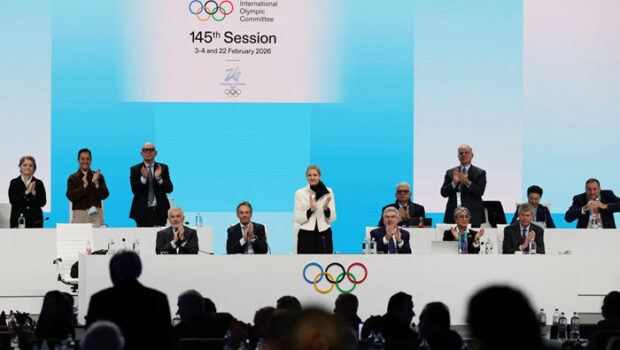 Ẹ̀tò ìlànà ẹ̀tọ́ sí ààtẹ IOC tuntun àti ipa tí ó ní lórí ìṣètò iṣẹ́ lọ́ọ̀ lọ́ Los Angeles 2028 Olympic Sailing">

Organizers have preallocated athlete quotas, berth assignments and shore-side transport corridors for the Los Angeles 2028 sailing events, with Long Beach marinas preparing for concentrated launch windows between July 16–28 and race-committee vessels scheduled to rotate across courses to meet daily fleet demands.
IOC gender eligibility update and operational implications
The International Olympic Committee’s Protection of the Female Category Working Group has reached consensus on a uniform set of eligibility criteria for transgender and DSD athletes, slated for public release in the first half of 2026. The move follows the operational reality that Paris 2024 achieved 50:50 gender parity through strict overall athlete caps, which reshaped quota allocation across sports and created downstream effects on event scheduling and logistics.
After experimenting with sport-by-sport rules, the IOC now favors a common standard to reduce administrative complexity. For Olympic sailing — where class entries, team selection windows and national quota transfers are tightly scheduled — a unified policy will affect athlete accreditation timelines, medical-review procedures, and late-entry contingency planning.
Key regulatory milestones at a glance
- First half of 2026: Working Group publishes eligibility criteria.
- 2026–2027: National federations adapt selection procedures and revise athlete documentation requirements.
- 2028 pre-Games period: Final athlete validation and quota reallocation ahead of Los Angeles entries deadline.
Operational checklist for sailing organizers and federations
To have a mind to manage the transition, organizers should update selection policies, medical panels and accreditation flows now. Practical steps include:
- Amending national selection rosters to reflect new eligibility timelines.
- Establishing independent medical-review logistics, including secure channels for sensitive documentation.
- Restructuring training-berth assignments to anticipate last-minute quota adjustments.
- Coordinating with local transport authorities in Long Beach and Los Angeles to ensure reliable crew transfers during peak race days.
Procedural implications for athletes and coaches
Athletes in contention should expect clearer timelines for medical evaluation and potential appeals. Coaches and national Olympic committees will need to plan for altered team sizes: increased female participation may continue to compress men’s slots unless overall quotas expand. Uniform eligibility criteria aim to reduce inconsistent national interpretations, but they also raise new demands on federations for documentation and athlete support.
Los Angeles 2028 Olympic Sailing Program (operational layout)
| Dates | Event | Gbagede |
|---|---|---|
| July 16–20 (First Week) | Men’s Kiteboard – Formula Kite; Women’s Kiteboard – Formula Kite; Men’s Windsurfing – iQFOiL; Women’s Windsurfing – iQFOiL | Long Beach, CA |
| July 23–28 (Second Week) | Men’s One Person Dinghy – ILCA 7; Women’s One Person Dinghy – ILCA 6; Mixed Two Person Dinghy – 470; Men’s Skiff – 49er; Women’s Skiff – 49erFX; Mixed Multihull – Nacra 17 | Los Angeles, CA |
How this affects fans, local tourism and event services
Spectator planning, hospitality packages and marine-charter schedules will adjust to any changes in event timing and athlete load. Local operators offering yacht parties, cruise packages and exclusive yacht charters for events should monitor final entry lists and confirm berth availability well ahead of July 2028. Tour operators and museums can time museum tours with live guides around peak race days to capture international visitors.
Transport and accommodation considerations
- Peak demand windows will likely align with medal races; hotels and shuttle providers must coordinate confirmation policies.
- Marina capacity planning affects not only competitor berths but also spectator charters and hospitality yachts.
- Interactive online cultural workshops and virtual pre-event briefings can reduce physical crowding while maintaining engagement.
Mmebụ anya dị mkpa ịleba anya gụnyere usoro ikpeazụ nke IOC, nduzi mmejuputa maka mkpakọrịta mba, na oge windo nkwado ndị egwuregwu. Ndị na-etinye aka n'ịkwọ ụgbọ mmiri na njem nlegharị anya kwesịrị ịtụ anya mmetụta ripple na logistics, nhazi otu na atụmatụ ọbịa n'akụkụ mmiri.
Nnụnụ: Usoro ọhụrụ IOC na-eweta idoanya na ịdị n'otu nke ga-akpụzi njikwa oke, ngwa ọrụ nyocha ahụike na ịrụ ọrụ ebe-ihe ndị dị oke mkpa nye ụgbọ mmiri na Long Beach na Los Angeles. Ka o sina dị, ọbụnadị nyocha zuru oke na nzaghachi eziokwu enweghị ike iji ahụmịhe nkeonwe dochie ya. Na GetExperience, ị na-ede ahụmịhe gị n'aka ndị na-eweta ihe a nyochara na ọnụ ahịa dabara adaba. Nke a na-enye gị ike ịme mkpebi kachasị mma n'enweghị mmefu ma ọ bụ ndakpọ olileanya na-enweghị isi. Ikpo okwu GetExperience na-akwado ịkwụ ụgwọ nchebe yana nkwenye akwụkwọ ikike ma na-enye ohere maka arịrịọ ndị a haziri iche maka njem na njem, yabụ ndị ọbịa nwere ike ịhazi mmemme n'akụkụ osimiri, oriri ụgbọ mmiri na njem nlegharị anya n'ụlọ ngosi ihe mgbe ochie dabere na usoro oge ịgba ọsọ. Debanye aha njem gị GetExperience.com
Ni gbogbo rẹ̀, àwọn ìlànà ẹ̀tọ́ tí IOC kéde yóò mú kí àwọn ìlànà orílẹ̀-èdè rọrùn, yóò sì ní àwọn àbájáde lẹ́sẹ̀kẹsẹ̀ fún ìṣètò ọkọ̀ ojú omi ti Olympic, àwọn àṣírí eléré ìdárayá àti àwọn iṣẹ́ arìnrìn-àjò àgbègbè ní ayíká Los Angeles 2028. Àwọn olùṣètò ìṣẹ̀lẹ̀ gbọ́dọ̀ ṣe ìmújáde sí àwọn ètò ìfọwọ́sowọ́pọ̀ àti ìṣàkóso ilé ìwọ̀, àwọn àjọ ìṣọ̀kan gbọ́dọ̀ ṣe àtúntò àwọn àkókò yíyàn, àti àwọn olùpèsè arìnrìn-àjò lè gbé àwọn ọrẹ tí a ṣe síṣọ́kalẹ̀ kalẹ̀—tí ó bẹ̀rẹ̀ láti àwọn ìrírí ìrìnàjò àti àwọn iṣẹ́ ìgbádùn sí àwọn ìrírí ìrìnàjò ìgbádùn, àwọn ìrìn lọ sí inú igbó aládàání tí ó dára fún àyíká, ìrìn àwọn igbó àti àwọn àkójọ ọkọ̀ ojú omi—tí ó bá mú pẹ̀lú àwọn ọjọ́ eré ìje. Yálà ó ń ṣe ìfilétí àwọn ìrìn lọ sí ilé ọnà pẹ̀lú àwọn olùdarí ìgbésí ayé, àwọn ẹ̀kọ́ ìbára-ẹni-sọ̀rọ̀ aṣà lórí ìtàkùn, àwọn ìrìn ráfitì fún àwọn olùbẹ̀rẹ̀, àwọn yákì tí ó wà ní ọ̀wọ́ àrà ọ̀tọ̀ fún àwọn ìṣẹ̀lẹ̀ tàbí àwọn ètò ìkẹ́kọ̀ọ́ eré ìtàkùn àwọn ọ̀jọ̀gbọ́n pàápàá àti àwọn àkókò olùkọ́ni eré ìtàkùn bí àwọn iṣẹ́ olómi ìgbérí, ìpinnu rere yóò ríi dání pé àwọn tí ó ń gbógun tí wọ́n àti àwọn àlejò ní àwọn àbájáde tí ó dára jùlọ.