


 Norsk nynorsk
  English (UK)
  Русский
  বাংলা
বাংলা  العربية
  日本語
日本語  한국어
한국어  Magyar
  Türkçe
  עִבְרִית
  Español
  Čeština
  Svenska
  Português
  Ελληνικά
  Suomi
Suomi  Nederlands
  Română
  Italiano
  Français
  Polski
  Українська
  Deutsch
  简体中文
简体中文  Slovenčina
  Српски језик
  اردو
اردو  Azərbaycan dili
  O‘zbekcha
  አማርኛ
አማርኛ 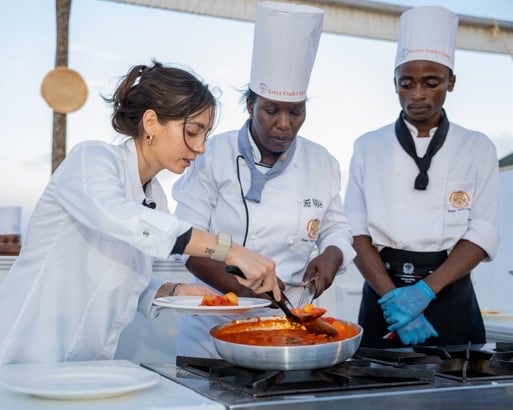 Kenya ĩraikia gũtũmĩra mũoyo wayo wa irio nĩ getha kwĩnyitia gĩthũũri-inĩ kĩa mũbira wa mũtĩrĩoni wa thĩ yothe wa ũgeni.">

Embracing Culinary Tourism in Kenya
Kenya is carving out a significant niche in the trillion-shilling global culinary tourism market by celebrating its rich food heritage and innovative culinary offerings. This strategy reflects a growing worldwide trend where gastronomy and food experiences have become key drivers in travel decisions, connecting tourists not only with a destination’s geography but also its culture and traditions.
What Is Culinary Tourism and Why Does It Matter?
Culinary tourism, also known as food or gastronomy tourism, involves travellers seeking to explore destinations through food and drink experiences typically unavailable in their everyday lives. In Kenya’s case, this means sharing the vibrant flavors of local ingredients, traditional recipes, and community food events with curious visitors. The global appetite for authentic food journeys is rising as tourists increasingly look to engage with a place’s identity via its cuisine rather than just sightseeing.
The Global Appeal of Food in Travel
Foods and drinks often constitute about ၂၅–၃၀% of tourists’ daily expenditure, emphasizing how dining has transcended mere sustenance to become a cultural and leisure highlight. Gastronomy is intricately linked with cultural heritage and provides a pathway to immersive experiences that shape memorable travel stories. For some visitors, food is even the primary reason to visit a destination, turning restaurants and festivals into major attractions.
| Key Elements of Culinary Tourism | Description |
|---|---|
| Local Ingredients and Recipes | Highlight regional produce and traditional cooking methods, preserving authenticity. |
| Food Festivals and Events | Showcase seasonal harvests, ethnic specialties, and community celebrations. |
| Dining Experiences | From street food to high-end restaurants, providing diverse taste adventures. |
| Food Storytelling and Demonstrations | Connecting visitors to the history and culture behind each dish through interactive activities. |
Kenya’s Strategy for Enhancing Tourism Through Culinary Identity
The Kenyan tourism sector’s pivot towards culinary tourism aims to capitalize on the country’s diverse ethnic cuisines and natural bounty. By positioning food as a cultural flagship, destinations within Kenya seek to differentiate themselves in an increasingly competitive tourism market. The Kenyan government’s and private sector’s initiatives focus on supporting culinary festivals, gastronomic tours, and farm-to-table experiences, all contributing to a richer visitor experience.
Unique Culinary Attractions and Experiences
Kenya’s varied regional dishes, from coastal seafood specialties to inland staples like ugali and nyama choma, create a mosaic of flavors that entice culinary explorers. This also opens doors to community-based food tours and cooking classes that allow travelers to learn first-hand about traditional cooking techniques and food heritage.
Potential Tourism Impacts Related to Culinary Innovations
- Destination Differentiation: Food serves as a unique selling point that can distinguish Kenya from other travel destinations.
- Evolving Trends: Interactive culinary workshops and pop-up dining experiences are on the rise, enhancing tourists’ emotional and participatory connections.
- Economic Boost: The culinary tourism niche helps generate income for farmers, chefs, and local artisans.
- Cultural Preservation: Food tourism encourages the safeguarding of traditional recipes and agricultural practices.
The Bigger Picture: Challenges and Opportunities
While culinary tourism offers exciting prospects, challenges such as food security, sustainability, and changing climate patterns must be considered. These aspects influence food production and may affect the availability of certain regional ingredients. Moreover, ethical consumption and labor conditions within the food industry are critical concerns that could shape the future of this tourism sector.
Linking Culinary Tourism to Broader Travel Experiences
Food-driven travel experiences dovetail neatly with cultural tours, heritage explorations, and festival visits. For Kenya, this means that culinary tourism is not a standalone concept but part of an integrated tourism product that appeals to diverse traveler interests. For instance, combining a safari or coastal beach holiday with authentic food experiences can significantly enhance the value and memorability of a trip.
Why Booking with GetExperience.com Makes Sense
Given the multifaceted nature of culinary tourism, accessing verified providers who can tailor experiences to traveler preferences is vital. Platforms like GetExperience.com simplify the booking process by offering secure payment options with voucher confirmations and the ability to request personalized tours or excursions that meet specific needs. This transparency and convenience ensure travelers find the perfect culinary adventures matching their budget and tastes, all in one place.
Many travelers find that no amount of glowing reviews or honest feedback can compare to actually tasting a new cuisine or joining a local cooking class. With GetExperience.com, you can book your culinary experience confidently, avoiding unnecessary costs or unwanted surprises. Whether it’s a street food tour, a traditional cooking workshop, or a farm visit, the platform opens up a world of authentic and immersive possibilities.
Ná ire àjò rẹ silẹ today and dive into Kenya’s growing culinary tourism scene by visiting GetExperience.com.
Summary and Conclusion
Kenya’s journey into the global culinary tourism market highlights the growing significance of food as a medium to discover and experience cultural identity. Culinary tourism not only boosts local economies and supports sustainable practices but also enriches the tourist experience beyond traditional sightseeing. With emerging trends in food festivals, interactive cooking demonstrations, and locally sourced dining options, Kenya sets the stage for memorable adventures that harmonize culture and cuisine.
For travelers looking to combine adventure and culture with authentic taste experiences, platforms like GetExperience.com provide a reliable gateway to curated culinary journeys ensuring convenience, variety, and value. With options ranging from eco-friendly wildlife safaris to luxury adventure travel experiences, the possibilities are vast, making it easier than ever to embark on a flavorful journey that tantalizes all senses.