


 Norsk nynorsk
  English (UK)
  Русский
  বাংলা
বাংলা  العربية
  日本語
日本語  한국어
한국어  Magyar
  Türkçe
  עִבְרִית
  Español
  Čeština
  Svenska
  Português
  Ελληνικά
  Suomi
Suomi  Nederlands
  Română
  Italiano
  Français
  Polski
  Українська
  Deutsch
  简体中文
简体中文  Slovenčina
  Српски језик
  اردو
اردو  Azərbaycan dili
  O‘zbekcha
  አማርኛ
አማርኛ 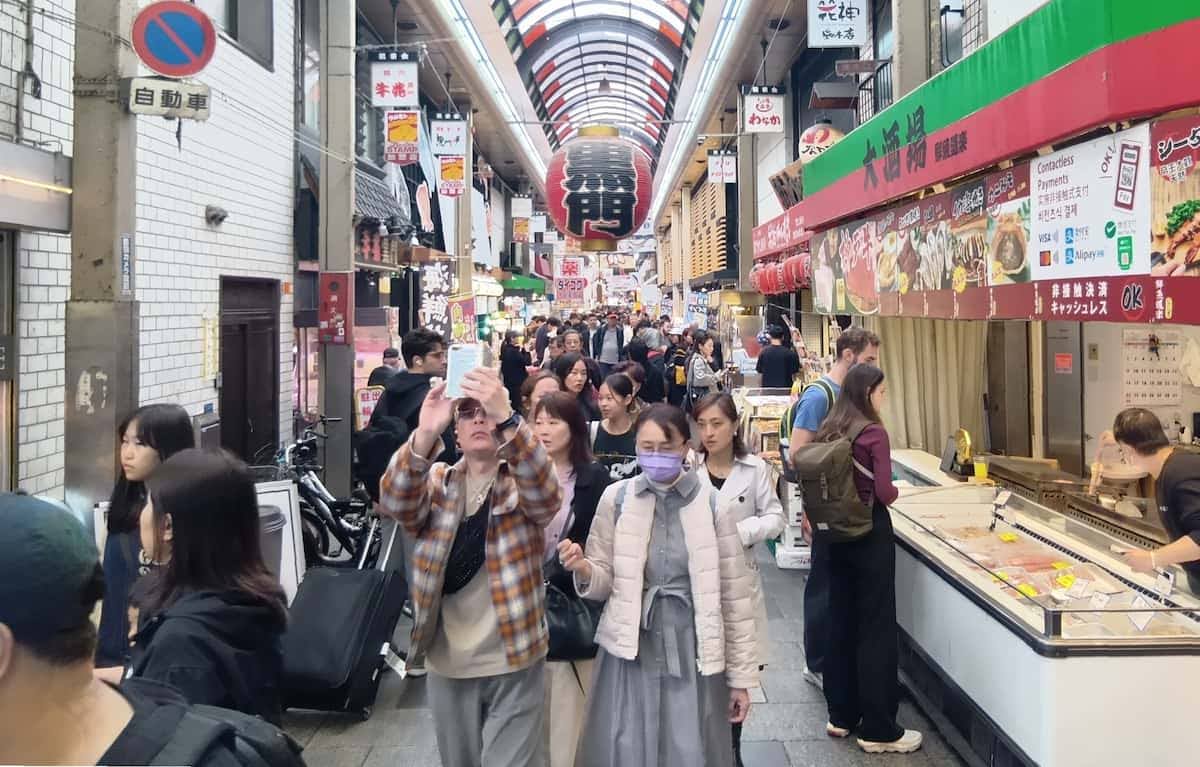 How Japan is Transforming Its Tourism Landscape: From Visitor Volume to Sustainable Experiences">

Tourism in Japan: A New Chapter
The bustling streets of Osaka filled with arriving tourists symbolize Japan’s tourism boom, but beneath the surface lies a growing concern about overcrowding and sustainability. This surge in visitor numbers calls for a fresh perspective on how tourism is managed to ensure the long-term wellbeing of both destinations and residents.
From Shopping Sprees to Budget-Focused Travel
For many years, the tourism boom in Japan was famously fueled by the high-spending habits of Chinese visitors, particularly their bulk purchases of Japanese electronics. However, this pattern is changing. Recently, a larger share of travelers has shifted towards budget-conscious tourism, opting for more affordable experiences rather than luxury shopping hauls.
This change presents a twofold challenge: while increasing visitor volumes boost tourist counts, the influx of thrifty tourists combined with behaviors that sometimes disregard local norms has led to significant issues of overtourism.
A Glimpse into Everyday Tourist Behavior
An evening scene near a favorite hotel in Osaka portrays this shift vividly—supermarkets crowded with tourists hunting for discounted prepared foods and beverages to stockpile before returning to their rooms. This everyday image illustrates how spending habits have tightened and how travelers prioritize cost savings over extravagance.
Dissecting the Numbers: Growth and Spending Trends
The Japan National Tourism Organization reports an unprecedented growth spurt, with over 31 million visitors arriving in the first nine months of a record-breaking year, marking a nearly 18% increase from the year before. This growth trajectory strongly suggests that the annual total will exceed previous records, partly fueled by Japan’s more affordable yen.
| Country/Region | Visitors in September (millions) | Year-on-Year Growth |
|---|---|---|
| China | 0.776 | +18.9% |
| South Korea | 0.671 | +2.1% |
| Taiwan | 0.527 | +12.0% |
Despite rising visitor numbers, per capita spending shows a declining trend. Spending has decreased steadily since Japan’s post-pandemic reopening, signaling a move towards frugality. The appetite for luxury goods wanes, with tourists now allocating more budget towards accommodations, often in newly opened hotels that still charge premium rates. The rush to supermarkets for discounted meals highlights this evolving economic behavior.
Tourists Seeking Experiences, Not Just Purchases
The trend is clear: travelers to Japan are valuing immersive and authentic experiences over costly shopping sprees. Some dining spots in popular cities like Osaka continue to charge premium prices, but the market’s reality hints at an adaptation phase where local businesses foster greater appeal to domestic customers while adjusting to foreign visitors who spend less.
The Local Impact of Tourism Crowds
Overtourism is not just an inconvenience but a strain on the everyday life of residents. Highly frequented tourist locations, such as the famous Fushimi Inari Shrine in Kyoto, regularly experience congestion that restricts free movement and poses safety risks. In more remote areas like Koyasan, with a population far smaller than its annual visitors, emergency services have sometimes been obstructed due to overwhelming numbers of tourists.
A Shift Towards Sustainable Tourism Policies
In response, discussions are underway to introduce policies such as increasing the international tourist tax, directing revenue towards easing overtourism impacts and supporting local citizens. The focus is moving away from merely boosting visitor numbers to prioritizing quality over quantity—encouraging higher spending per tourist and a more sustainable tourism model.
Understanding Sustainable Tourism in Japan’s Context
Sustainable tourism requires harmonizing visitor activities with the environment, local communities, and economic vitality. Japan’s evolving strategy aligns with global trends that emphasize minimizing socio-cultural and environmental disruptions while maximizing the positive impacts of tourism. This means promoting travel experiences that are respectful, enriching, and mindful of the destination’s limits.
Key Takeaways on Japan’s Tourism Evolution
- Visitor demographics are shifting, with increasing numbers of budget-conscious tourists replacing high-spending visitors.
- Spending patterns are leaner, with less focus on luxury goods and more emphasis on affordable lodging and food.
- Overtourism is causing tangible impacts on residents’ daily lives and local infrastructure in popular destinations.
- Policy responses aim to balance growth with sustainability, including measures like increased tourist taxation.
- Tourists seek authentic experiences over material indulgences, suggesting a cultural shift in travel motivations.
While reviews and data paint a comprehensive picture, nothing compares to first-hand experience. Platforms like GetExperience.com empower travelers by connecting them to verified providers offering diverse excursions and tours tailored to individual preferences. With secure payments and voucher confirmations, travelers gain convenience and confidence, making it easier to choose quality experiences without breaking the bank. For those keen on exploring Japan’s many facets sustainably and enjoyably, the platform offers an extensive range of options that perfectly fit varying tastes and budgets. Gbá Ìrìn Àjò rẹ. on GetExperience.com.
Wrapping Up
Japan’s tourism story is evolving from a race to attract crowds towards a thoughtful approach emphasizing lasting benefits and minimized impacts. This transition highlights the importance of sustainable tourism principles – balancing economic gains with environmental stewardship and cultural respect. For travelers, understanding these dynamics enriches travel experiences and fosters more meaningful engagement with destinations. Whether it’s partaking in luxury adventure travel experiences, eco-friendly wildlife safaris, authentic museum tours with live guides, or interactive online cultural workshops, insights into sustainability provide layers of value that enhance every journey.