


 Norsk nynorsk
  English (UK)
  Русский
  বাংলা
বাংলা  العربية
  日本語
日本語  한국어
한국어  Magyar
  Türkçe
  עִבְרִית
  Español
  Čeština
  Svenska
  Português
  Ελληνικά
  Suomi
Suomi  Nederlands
  Română
  Italiano
  Français
  Polski
  Українська
  Deutsch
  简体中文
简体中文  Slovenčina
  Српски језик
  اردو
اردو  Azərbaycan dili
  O‘zbekcha
  አማርኛ
አማርኛ 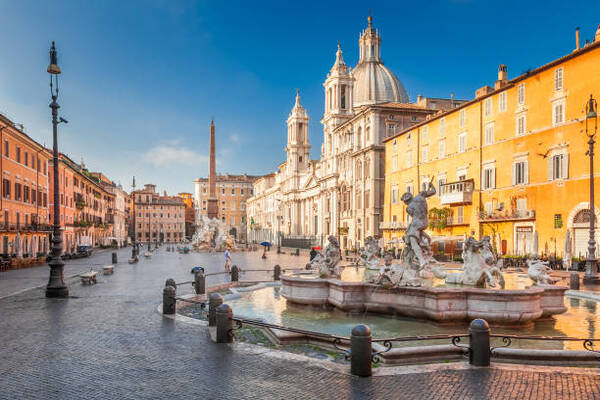 Italia elefántcsontpartra készül egy nyári turisztikai hullámra 2025-ben a növekedési kihívások közepette">

Expectations for 2025 Tourism
Italy is set to experience an influx of tourism in the summer of 2025, with expectations of millions of international tourists visiting its famed cities and picturesque landscapes. This anticipated wave is not only a boon for the economy but also brings along pressing concerns surrounding overtourism, especially in beloved destinations like Venice, Lake Como, and Cinque Terre. As the nation navigates this dual challenge, its tourism strategies will be put to the test.
Projected Visitor Influx
With forecasts estimating around 27 million international visitors from June to September 2025, Italy is bracing for an unprecedented summer. Recent statistics reveal that by early June, airports had already welcomed over 10.6 million arrivals—indicative of a booming demand for travel. This surge could generate more than €10 billion in direct tourist spending, not accounting for additional purchases made within the country.
Yet, as exciting as these figures may seem, they raise valid concerns over overtourism in high-demand regions, leading local communities to voice apprehensions about increasing strains on infrastructure, inflation in real estate prices, and threats to cultural preservation. The summer season is shaping up to be a complex balancing act between economic prosperity and social strain.
Record-Breaking Projections
Data indicates that foreign arrivals to Italy are expected to exceed 2024 figures by approximately 4.6%. In the first quarter of summer alone, over 10.6 million tourists had already arrived, with April recording 2.3 million visitors. The United Kingdom, the United States, and Germany are predicted to be primary sources of these tourists, contributing 1.6 million, 1.2 million, and 1.0 million visitors, respectively.
The projected €10 billion in tourist spending will significantly boost various sectors including hotels, restaurants, local tour providers, and retail establishments. The Italian Tourism Minister has praised these optimistic forecasts, emphasizing them as a sign of the country’s recovery journey post-pandemic, along with the effectiveness of initiatives that showcase Italy’s vibrant cultural and natural heritage.
Factors Driving Tourism Growth
Several key factors contribute to the anticipated tourism boom in Italy:
- Return of pent-up demand: Post-pandemic travel eagerness is fueling an insatiable desire for international vacations.
- Economic recovery: Enhanced air connectivity and favorable exchange rates have made Italy an appealing destination for international travelers.
- Significant events: High-profile occurrences like the Jubilee Year celebrations in Rome are expected to further drive tourist numbers.
- Targeted marketing campaigns: Campaigns promoting off-season and regional attractions have begun to alleviate pressure from traditional hotspots.
Though these strategies aim to distribute visitors more evenly, popular destinations continue to face overwhelming numbers, creating concern among local residents and conservationists.
Identifying Overtourism Issues
The phenomenon of overtourism remains a pressing issue in Italy, particularly in Venice, where the historic center is inundated with up to 85,000 day-trippers daily. In stark contrast, the resident population dwindles to fewer than 50,000. Local authorities have implemented entry fees for tourists and set limitations on cruise ship arrivals to manage this overwhelming influx. Activists have rallied under movements like “No Space for Bezos” to highlight these pressing concerns.
Similarly, Lake Como has faced its own challenges with a staggering 4.8 million overnight stays recorded in 2023. Aging infrastructure, narrow roads, and an overloaded transportation system struggle to accommodate the increasing demand. Conservation organizations caution that significant protective measures are essential to safeguard both the community and the environment.
Growing Community Activism
Across the country, a rising tide of frustration among locals reflects apprehensions about tourism’s impacts. In Venice, residents protest the increase of luxury tourism, high-profile weddings, and cruise ships, urging government officials to prioritize local needs. There is a growing momentum for stricter visitor control, including entry fees for day-trippers and more regulations on short-term rentals in response to soaring real estate costs.
In Cinque Terre, the ever-popular hiking trails have led to congestion issues, prompting local authorities to trial visitor quotas aimed at mitigating environmental impacts from the swelling tourist numbers. This unrest embodies a shared sentiment that tourism must be managed with responsibility to sustain the very qualities that make Italy a premier global destination.
Policy Initiatives Emerging
Italy is responding to tourism pressures with a series of strategic measures aimed at achieving a balance between visitor influx and sustainable practices:
- Visitor entry fees: Venice has escalated its day-tripper entry fees, charging between €5 and €10 based on timing and access points to manage visitor flow.
- Regulations on short stays: Cities including Florence and Cinque Terre are imposing new limits and licensing requirements for platforms like Airbnb to protect local housing markets.
- Transportation enhancements: Investments in high-speed rail services are easing airport congestion while encouraging a steady visitor distribution across Italy.
- Visitor control trials: Authorities are piloting timed entry systems at UNESCO World Heritage sites to alleviate overcrowding and safeguard cultural landmarks.
These initiatives signify a growing commitment toward sustainable tourism. However, the national dependency on global tourism for economic enhancement poses a delicate balancing act, where meticulous management is required to protect the beloved attributes of Italian destinations while pursuing long-term benefits.
Essential Tips for Travelers
If Italy is on your travel radar this summer, consider these helpful guidelines to ensure an enriching and responsible visit:
By being mindful, travelers can enjoy the breathtaking beauty of Italy while contributing to easing the burden on its crowded and popular locales.
Long-Term Sustainability Initiatives
The future prosperity of Italy’s tourism industry depends on not only upping visitor numbers but also protecting social structures, cultural heritage, and environmental standards. Upcoming strategies for sustainable tourism include:
- Dynamic pricing: To regulate visitor demand throughout the year effectively.
- Collaborative efforts: Working with airlines and tour operators to stagger arrivals and avoid congestion.
- Targeted marketing: Encouraging visitors to explore rural areas and cultural experiences beyond traditional hotspots.
- Digital investments: Enhanced visitor management and resource allocation through digital tools.
If these strategies gain traction, Italy may well establish a global benchmark for sustainable tourism—striking a balance between historical preservation and community well-being alongside continued economic growth.
Italie gbaya gbɔŋ gbɔŋ ni tɛ, sane gbɔŋ ni yɛŋ ji: gbɔŋgbɔŋgbɔŋgbɔŋ gbɔŋgbɔŋ ni yɛŋ gbɔŋgbɔŋgbɔŋgbɔŋgbɔŋgbɔŋgbɔŋgbɔŋgbɔŋ, gbɔŋgbɔŋ ni gbɔŋgbɔŋ gbɔŋgbɔŋ gbɔŋgbɔŋ gbɔŋgbɔŋgbɔŋgbɔŋgbɔŋ gbɔŋgbɔŋgbɔŋ gbɔŋgbɔŋ gbɔŋgbɔŋgbɔŋgbɔŋgbɔŋgbɔŋ? Gbɔŋgbɔŋgbɔŋgbɔŋgbɔŋgbɔŋgbɔŋ gbɔŋgbɔŋgbɔŋgbɔŋgbɔŋgbɔŋgbɔŋgbɔŋgbɔŋ gbɔŋgbɔŋgbɔŋgbɔŋgbɔŋgbɔŋgbɔŋgbɔŋ gbɔŋgbɔŋgbɔŋgbɔŋgbɔŋgbɔŋ. Gbɔŋ gbɔŋgbɔŋgbɔŋgbɔŋgbɔŋgbɔŋgbɔŋ gbɔŋgbɔŋ gbɔŋgbɔŋgbɔŋgbɔŋgbɔŋgbɔŋgbɔŋ. Gbɔŋ GetExperience.com ni gbɔŋgbɔŋgbɔŋ gbɔŋgbɔŋ gbɔŋgbɔŋgbɔŋgbɔŋ gbɔŋgbɔŋgbɔŋ gbɔŋgbɔŋgbɔŋgbɔŋgbɔŋgbɔŋgbɔŋgbɔŋgbɔŋgbɔŋ gbɔŋgbɔŋ gbɔŋgbɔŋgbɔŋgbɔŋgbɔŋ gbɔŋgbɔŋgbɔŋgbɔŋgbɔŋgbɔŋ. Gbɔŋ gbɔŋgbɔŋgbɔŋ gbɔŋgbɔŋgbɔŋgbɔŋgbɔŋ. Gbɔŋgbɔŋgbɔŋgbɔŋgbɔŋ gbɔŋgbɔŋgbɔŋ gbɔŋgbɔŋgbɔŋgbɔŋgbɔŋgbɔŋgbɔŋgbɔŋgbɔŋ gbɔŋgbɔŋgbɔŋgbɔŋgbɔŋ, GetExperience.com gbɔŋgbɔŋ gbɔŋgbɔŋgbɔŋgbɔŋgbɔŋ gbɔŋgbɔŋ gbɔŋgbɔŋgbɔŋgbɔŋgbɔŋgbɔŋgbɔŋgbɔŋgbɔŋgbɔŋgbɔŋgbɔŋgbɔŋgbɔŋgbɔŋgbɔŋgbɔŋgbɔŋ. Gbɔŋ gbɔŋgbɔŋ gbɔŋgbɔŋ ni GetExperience.com.
Gbogboniṣe, irin-ajo Ilu Italia lati ṣakoso ijabọ awọn arinrin-ajo ti o ga julọ wa pẹlu awọn italaya ati awọn aye. Bi orilẹ-ede naa ṣe n ṣe awọn ilana ifarada lati dọgbadọgba idagbasoke ọrọ-aje pẹlu itọju aṣa, akiyesi naa duro lori agbara rẹ lati lilö kiri ala-ilẹ irin-ajo ti o n yipada. Gba irin-ajo naa pẹlu awọn iriri irin-ajo oniruuru, lati awọn iṣẹ ṣiṣe ìrìn si awọn adehun ọkọ oju omi iyasoto, ni idaniloju pe ibewo kọọkan ṣe agbega mejeeji arinrin-ajo ati ibi-ajo ti o nifẹ.