


 Norsk nynorsk
  English (UK)
  Русский
  বাংলা
বাংলা  العربية
  日本語
日本語  한국어
한국어  Magyar
  Türkçe
  עִבְרִית
  Español
  Čeština
  Svenska
  Português
  Ελληνικά
  Suomi
Suomi  Nederlands
  Română
  Italiano
  Français
  Polski
  Українська
  Deutsch
  简体中文
简体中文  Slovenčina
  Српски језик
  اردو
اردو  Azərbaycan dili
  O‘zbekcha
  አማርኛ
አማርኛ 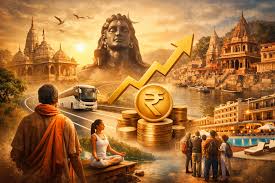 How connectivity, culture and policy are reshaping India’s tourism landscape">

With nearly 3 billion domestic journeys annually and government figures citing roughly 20 million inbound na 30 million outbound travellers, India’s transport and regulatory upgrades are being aligned to tourism demand: digital ticketing, improved road and rail links to pilgrimage hubs and targeted infrastructure spending under Swadesh Darshan 2.0 now link Tier-2 and Tier-3 nodes to major routes serving Ayodhya, Ujjain and Kashi.
Infrastructure and connectivity at a glance
Public investment and policy reforms emphasize multimodal connectivity. Airports, rail corridors and national highways serving cultural circuits are being prioritized to reduce transit times and expand carrying capacity for both domestic and international visitors. SATTE 2026 highlighted how structured business meetings and cross-border partnerships are translating into actionable projects to decongest popular sites while opening secondary destinations.
Key metrics and initiatives
| Indicator | Reported value | Policy focus |
|---|---|---|
| Domestic journeys | ~3 billion | Improve last-mile connectivity, promote Tier-2/3 towns |
| Inbound visitors | ~20 million | Ease of travel via digital visas, airport capacity |
| Outbound travellers | ~30 million | Focus on cross-border partnerships, outbound services |
Culture-led destinations and pilgrimage logistics
Transformation of spiritual circuits into world-class experiences has required synchronized action across municipal, state and central agencies. Improvements include better approach roads, dedicated parking and pedestrian zones around temple complexes, integrated signage and upgraded sanitation and hospitality services—all intended to convert pilgrimage flows into longer stays that benefit local economies.
Pilgrimage circuit upgrades: practical measures
- Streamlined queue management and e-token systems at high-traffic shrines.
- Upgrades to feeder roads and dedicated bus fleets connecting railway stations and airports.
- Local training programs for hospitality staff to provide culturally informed services.
Policy, digital innovation and ease of doing business
Officials underline that demand is outpacing supply, prompting regulatory reforms and deregulation to accelerate private investment in hotels, transport and attractions. Digital tools—reservation platforms, integrated tourism portals and mobile apps—are being promoted to simplify permits, licensing and travel planning. The aim is to reduce friction for service providers and travellers alike.
What this means for travellers and operators
For travellers, better connectivity and services make multi-destination itineraries more viable: combining heritage, spiritual and eco-tourism stops is now logistically simpler. For operators, streamlined approvals and digital interfaces lower the barrier for launching niche products—be they cultural walks, wildlife safaris or adventure activities in less-developed regions.
Market perspectives and stakeholder voices
At SATTE, Union Tourism and Culture Minister Gajendra Singh Shekhawat noted tourism’s elevation to the core of national development under Prime Minister Narendra Modi, pointing to initiatives such as Swadesh Darshan 2.0 and the Dekho Apna Desh campaign as engines of growth. Suman Billa, Director General, stressed that long-term growth will require matching supply to surging demand through investment and digitization. Anita Mendiratta of UN Tourism emphasized travellers’ appetite for authenticity and community-led experiences—qualities that are central to India’s appeal.
Practical tips for visiting India now
- Plan transfers around upgraded airport or rail schedules to minimize waiting times.
- Check local e-token or reservation systems at major heritage and pilgrimage sites.
- Consider off-peak travel to Tier-2 and Tier-3 towns to enjoy authentic cultural programs with fewer crowds.
At a glance, the combination of infrastructure investment, policy reform and cultural revival is creating new opportunities for both mass and niche tourism. Still, statistics and reviews only go so far: even the best critiques can’t replace the sensory knowledge gained on the ground. On GetExperience, you book your experience from verified providers at reasonable prices, with secure online payments, voucher confirmations and the option to request customized tours or excursions that match your preferences—this empowers informed choices without unnecessary expense or disappointment. Book now GetExperience.com
To sum up, India’s tourism agenda ties transport upgrades, cultural restoration and regulatory change into a coherent growth strategy. Improved connectivity to pilgrimage circuits, digital tools easing travel logistics and business-friendly reforms are set to expand travel experiences across the country. Whether you seek museum tours with live guides, eco-friendly wildlife safaris, adventure rafting trips for beginners, luxury adventure travel experiences, cruise packages or interactive online cultural workshops, these shifts make it easier to access diverse offerings. Personal travel still outperforms even the most detailed reviews, so use available platforms to plan and book experiences that suit your tastes—adventure activities, yacht parties, exclusive yacht charters for events, safari tours, professional esports training programs, online virtual tours and beginner esports coaching sessions can all be part of a well-rounded itinerary. In short: enhanced infrastructure, culture-led product development and digital facilitation are turning India into a more accessible, varied and resilient destination for travellers and operators alike.