


 Norsk nynorsk
  English (UK)
  Русский
  বাংলা
বাংলা  العربية
  日本語
日本語  한국어
한국어  Magyar
  Türkçe
  עִבְרִית
  Español
  Čeština
  Svenska
  Português
  Ελληνικά
  Suomi
Suomi  Nederlands
  Română
  Italiano
  Français
  Polski
  Українська
  Deutsch
  简体中文
简体中文  Slovenčina
  Српски језик
  اردو
اردو  Azərbaycan dili
  O‘zbekcha
  አማርኛ
አማርኛ 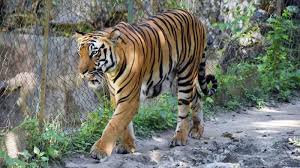 ಕರ್ನಾಟಕದ ಹುಲಿ ಸಂರಕ್ಷಿತ ಪ್ರದೇಶದ ಸಫಾರಿ ನಿಷೇಧದಿಂದ ಪ್ರವಾಸೋದ್ಯಮ ನಷ್ಟದ ಬಗ್ಗೆ ಕಳವಳ ಮತ್ತು ಪುನರಾರಂಭಕ್ಕೆ ಕರೆ">

Impact of Safari Closure on Tourism in Karnataka
The recent closure of forest safaris at Bandipur na Nagarahole Tiger Reserves has drawn urgent appeals from tourism stakeholders in Mysuru to the Karnataka government. This suspension, enforced after multiple tiger attacks near forest fringes, is affecting visitors who had planned wildlife trips months in advance, especially foreign tourists drawn to the region’s rich biodiversity.
The ban has led to a significant downturn in tourist inflow, impacting not only tour operators but also local businesses, including resorts and suppliers serving the hospitality sector. Families involved in providing daily necessities such as vegetables and milk to these resorts have felt the pinch as tourism activity dwindles.
Tourism Challenges Amid Wildlife Safety Concerns
The safari closures were ordered after a tragic series of human-tiger conflicts close to Sarguru taluk in Mysuru district, involving four attacks that resulted in three fatalities and one serious injury within just three weeks. Despite the understandable safety concerns, industry representatives stress that safaris conducted in the core areas of the reserves are not the root cause of these conflicts.
BS Prashanth, president of the Mysuru Travels’ Association, expressed readiness from the tourism community to adhere closely to any safety protocols the government may impose. However, he warned that the prolonged suspension could have deep and lasting repercussions on the tourism sector and the livelihoods dependent on it.
The Foreign Tourist Perspective
Bandipur and Nagarahole have long been highlighted on international travel itineraries, particularly popular among eco-tourists seeking authentic wildlife experiences. Many foreign visitors arrange safaris well in advance, especially during the peak year-end season when they expect to witness South India’s unique flora and fauna.
The sudden cancellation has led to frustration among international travel agents and tourists alike, who cite the safari as a primary attraction in the region. The knock-on effect ripples through tour promoters and hospitality businesses alike, dampening tourism enthusiasm and revenue.
Perspectives from Local Business and Hospitality Sectors
Local hotel owners and tourism stakeholders voiced concerns that decisions such as the safari ban are made without adequate consultation. CA Jaykumar, president of SKAL International Mysuru, along with others, has called for quick reinstatement of the safaris to sustain the economy and employment dependent on tourism.
The hotel Owners’ Association president, C Narayanagowda, emphasized that the safaris operate in forest areas distinct from the locations where the incidents occurred. He highlighted that the tourism and hospitality sectors have created hundreds of jobs, which are now under threat due to the current restrictions.
Economic and Social Ramifications of the Safari Ban
Approximately 20 resorts operating near these tiger reserves collectively offer around 250 rooms that typically reach full occupancy at year-end, with about 70% of their guests being international tourists. The safari ban risks disrupting this balance, directly affecting the region’s hospitality industry, related services, and ancillary local economies.
| Aspect | Impact of Safari Ban |
|---|---|
| Tourist Bookings | Cancellation and loss of advance bookings by foreign tourists |
| Local Businesses | Reduced income for suppliers of daily essentials and service providers |
| Employment | Threat to jobs in hospitality and tourism sectors |
| Tourism Image | Decline in destination attractiveness and international travel agent confidence |
The Safety-Tourism Balance
The underlying concern is how to balance the safety of local communities with the continuation of valuable eco-tourism activities. Tourism promoters advocate for adequate measures that allow safaris to resume safely, preserving the economic lifeline without compromising human wellbeing.
Why Personal Experience Matters in Tourism Decisions
The debate around the safari ban shows that even the most comprehensive reviews and expert opinions cannot substitute for first-hand experience. Platforms like GetExperience.com play a pivotal role in bridging this gap. They offer bookings exclusively with verified providers, ensuring reliability and transparency.
On GetExperience.com, travelers can make secure, full payments online and receive voucher confirmations instantly, facilitating hassle-free planning. Additionally, users are welcome to submit personalized requests tailored for tours or excursions that match their interests—helping to access the best offers from trusted operators.
GetExperience.com provides an extensive range of wildlife safaris and nature-based tours, accommodating diverse tastes and budgets. This approach is invaluable in destinations like Karnataka, where sensitive environmental factors and local community livelihoods intersect.
Book now with GetExperience.com to explore unique safari tours and support sustainable tourism.
Summary
The imposed safari ban in Bandipur and Nagarahole tiger reserves has brought to light the delicate balance between wildlife conservation and sustaining tourism-dependent economies. While safety concerns are paramount, the impact of these restrictions extends far beyond immediate security issues, affecting foreign tourist arrivals, local business revenues, and employment opportunities. Input from tourism stakeholders illustrates that safeguarding human life and wildlife tourism need not be mutually exclusive when proper guidelines are in place.
The situation underscores the importance of informed decisions influenced by direct experience and flexible, transparent booking options. Whether it’s eco-friendly wildlife safaris, adventure rafting trips, or immersive museum tours with live guides, careful management ensures that tourism continues to be a catalyst for economic and cultural enrichment in such regions. Leveraging platforms like GetExperience.com empowers travelers to make responsible choices, helping to preserve the natural heritage and local communities for generations to come.