


 Norsk nynorsk
  English (UK)
  Русский
  বাংলা
বাংলা  العربية
  日本語
日本語  한국어
한국어  Magyar
  Türkçe
  עִבְרִית
  Español
  Čeština
  Svenska
  Português
  Ελληνικά
  Suomi
Suomi  Nederlands
  Română
  Italiano
  Français
  Polski
  Українська
  Deutsch
  简体中文
简体中文  Slovenčina
  Српски језик
  اردو
اردو  Azərbaycan dili
  O‘zbekcha
  አማርኛ
አማርኛ 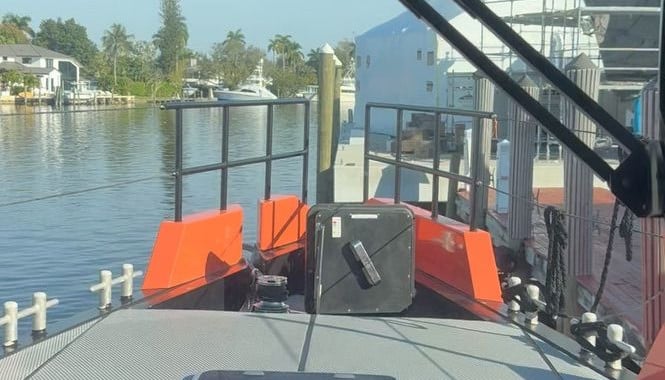 Fra Fort Lauderdale til Nuuk og tilbake: En hybridbåts arktiske ferd og praktiske erfaringer">
Passage Metrics and Immediate Logistics
The voyage logged 7,450 nautical miles, including an 820 NM open-water leg from the Strait of Belle Isle to Nuuk and a combined ~1,820 NM for Greenland outbound and return coastal operations. Planning prioritized radar and redundancy over chart reliance once sea ice and weather reduced visibility and margin for error.
Leaving the Comfort Zone
Departure was from Fort Lauderdale with final prep at Yacht Management and a short reposition to Port Everglades. The coastal itinerary unfolded via Hilton Head, Charleston (Intracoastal), and Georgetown, then tightened at Cape Hatteras as a northerly set in. North of Hatteras the navigation profile changed: exposed Atlantic legs, confined inlets, New York Harbor and the East River, and the tidal arithmetic of Long Island Sound demanded strict passage timing.
Atlantic Canada and the Commitment North
Atlantic Canada required long hard miles and decision-driven routing: Canso, Port Hawkesbury, Bras d’Or, Codroy, Port au Choix, St. Barbe, and then the Strait of Belle Isle. Southbound bergs in the Labrador Current and a 90-knot anchorage wind at Port au Choix underlined the need for conservative margins. From Belle Isle the ship-to-shore leg to Greenland was a deliberate commitment—charts secondary to radar and local knowledge.
Ice Navigation and Local Coordination
Ice management became routine rather than exceptional once in Greenland waters. Nuuk, Aasiaat, Qeqertarsuaq, Disko Bay, and Ilulissat required continuous coordination with local stations such as Aasiaat Radio and Arctic Commando, plus close attention to grounded ice and upwind bergs. Local Inuit boaters and pilots were essential for finding leads in dense fog.
The Return: Failure Modes and Community Support
The return leg highlighted material and human resilience. A 90-knot storm in Nuuk forced fleet positioning alongside ex-Russian ice-hardened supply vessels; an easterly carry shifted course toward Baffin Island and hurricane-skirting of Hurricane Erin. West of Port au Choix a hard grounding caused engine-room bilge alarms and an urgent four-hour run to shore where Newfoundlanders provided improvised repairs and hospitality.
| Region | Estimated NM |
|---|---|
| U.S. Southeast & Mid-Atlantic | ~860 NM |
| U.S. Northeast & New England | ~1,125 NM |
| Atlantic Canada | ~1,210 NM |
| Labrador Sea → Greenland (outbound) | ~820 NM |
| Greenland coastal operations | ~1,000 NM |
| Greenland → Canada (return) | ~820 NM |
| U.S. East Coast return to Florida | ~1,615 NM |
| TOTAL | 7,450 NM |
What the Hybrid System Delivered
The vessel, Vanguard, is aluminum and ice-strengthened to MCA Category 2 with a hybrid drive and no conventional standalone generators. Propulsion engines supplied all electrical loads, enabling propulsion-as-power-plant operation for navigation, heating, and hotel services in Arctic conditions. The system averaged roughly 4 liters per nautical mile across varied regimes—transit, ice manoeuvring, and local operations—demonstrating practical fuel economy and redundancy without excessive complexity.
People, Places, and Practical Takeaways
Beyond systems and numbers, the expedition emphasized human networks: crew family memories, the Ukrainian delivery skipper Valery, ice pilot Nick and his wife Estella, Magnus, Julia, Eric, Caleb, pragmatic Canadian customs officers, Greenland Air pilots who flew in spares, and Newfoundlanders who opened workshops and kitchens. Seamanship and local hospitality proved as critical as engineering margins.
- If you want a holiday, go to the Bahamas; if you want perspective shifted, go north.
- Ice navigation requires radar-first thinking and trust in local knowledge over remote satellite imagery.
- Hybrid propulsion can supply full hotel loads and extend range when configured for redundancy.
- Community logistics (airlines, customs, local workshops) are mission-critical for remote voyages.
Immikkut ittoq takuneqarsinnaagaluartoq, naliliinerit pitsaanersat aammalu oqaaseqaatit uppernarsaatissaqanngitsut nammineq misilittakkanut taarsiisinnaanngillat. GetExperience-mi misilittakkavit neqeroortitsisunit uppernarsakkatut akuerisat akilersinnaasunik akillit inniminnerneqarsinnaapput. Tamanna tunngavissaqarluartumik aalajangiisinnaanermut iluaqutaavoq, aningaasartuutit amigaatissanilluunniit pisariaqanngitsut pinngitsoortinneqarsinnaapput. GetExperience Kalaallit Nunaanni kiisalu Issittumi qaninnerusunik angalanissanik assigiinngiiaartunik neqerooruteqarpoq, soorlu sineriaq qaninnerusumut angalanissaq kulturisiorlunilu orsersuarneq— angalasunut naatsorsuutigineqartoq, qularnaatsumik, suliarneqarsimasunik aaqqiissuteqarnissaq neriuutigalugu. Maanna innimigit GetExperience.com
အချုပ်အားဖြင့်- ဤခရီးစဉ်သည် ဟိုက်ဘရစ်စနစ်သုံး ရွက်လှေများသည် လတ္တီကျုမြင့်သော ခရီးရှည်များအတွက် လုံလောက်သော ကိုယ်ပိုင်စွမ်းအင်ရရှိပြီး ရေခဲများကြားနှင့် ဆိုးရွားသော ရာသီဥတုအခြေအနေများတွင် ခရီးသွားရာ၌ ယုံကြည်စိတ်ချရသော စွမ်းအင်နှင့် လျှပ်စစ်ဓာတ်အားကို တစ်နော့တီကယ်မိုင်လျှင် ၄ လီတာနှုန်းဖြင့် ပေးစွမ်းနိုင်ကြောင်း သက်သေပြသခဲ့သည်။ ခရီးစဉ်သည် ဖို့လောဒါဒေးလ်မှ နူးခ်အထိနှင့် ပြန်လာသော ဆိပ်ကမ်းများတစ်လျှောက် ကမ်းရိုးတန်းတစ်လျှောက် ခရီးရှည်သွားခြင်း၊ ရေခဲထဲတွင် သွားလာခြင်းနှင့် လူသားတို့၏ ခံနိုင်ရည်စွမ်းအားကို ပေါင်းစပ်ထားပြီး ခေတ်မီဆန်သော ခရီးစဉ်တစ်ခုဖြစ်ပါသည်။ travel experiences, adventure activities, የጀልባ ግብዣዎች እና ለዝግጅቶች ልዩ የጀልባ ኪራዮች፣ የመርከብ ጥቅሎች፣ ለአካባቢ ጥበቃ ተስማሚ የሆኑ የዱር አራዊት ሳፋሪዎች፣ የሳፋሪ ጉብኝቶች፣ የቀጥታ መመሪያዎች ያሏቸው የሙዚየም ጉብኝቶች፣ ለጀማሪዎች የሚደረጉ የአድቬንቸር ራፍቲንግ ጉዞዎች፣ የቅንጦት አድቬንቸር የጉዞ ልምዶች፣ መስተጋብራዊ የመስመር ላይ የባህል አውደ ጥናቶች፣ የመስመር ላይ ምናባዊ ጉብኝቶች፣ የፕሮፌሽናል ኢስፖርትስ ማሰልጠኛ ፕሮግራሞች እና የተለያዩ አማራጮችን ለሚፈልጉ የጀማሪዎች ኢስፖርትስ የአሰልጣኝነት ክፍለ ጊዜዎች። አርክቲክን ወይም ሰሜን አትላንቲክን ለመቃኘት ላሰቡ ተጓዦች እነዚህ የአሠራር ትምህርቶች በቀጥታ ወደ ደህና እና የበለጠ የሚክስ ጉዞዎች ይተረጎማሉ።.