


 Norsk nynorsk
  English (UK)
  Русский
  বাংলা
বাংলা  العربية
  日本語
日本語  한국어
한국어  Magyar
  Türkçe
  עִבְרִית
  Español
  Čeština
  Svenska
  Português
  Ελληνικά
  Suomi
Suomi  Nederlands
  Română
  Italiano
  Français
  Polski
  Українська
  Deutsch
  简体中文
简体中文  Slovenčina
  Српски језик
  اردو
اردو  Azərbaycan dili
  O‘zbekcha
  አማርኛ
አማርኛ 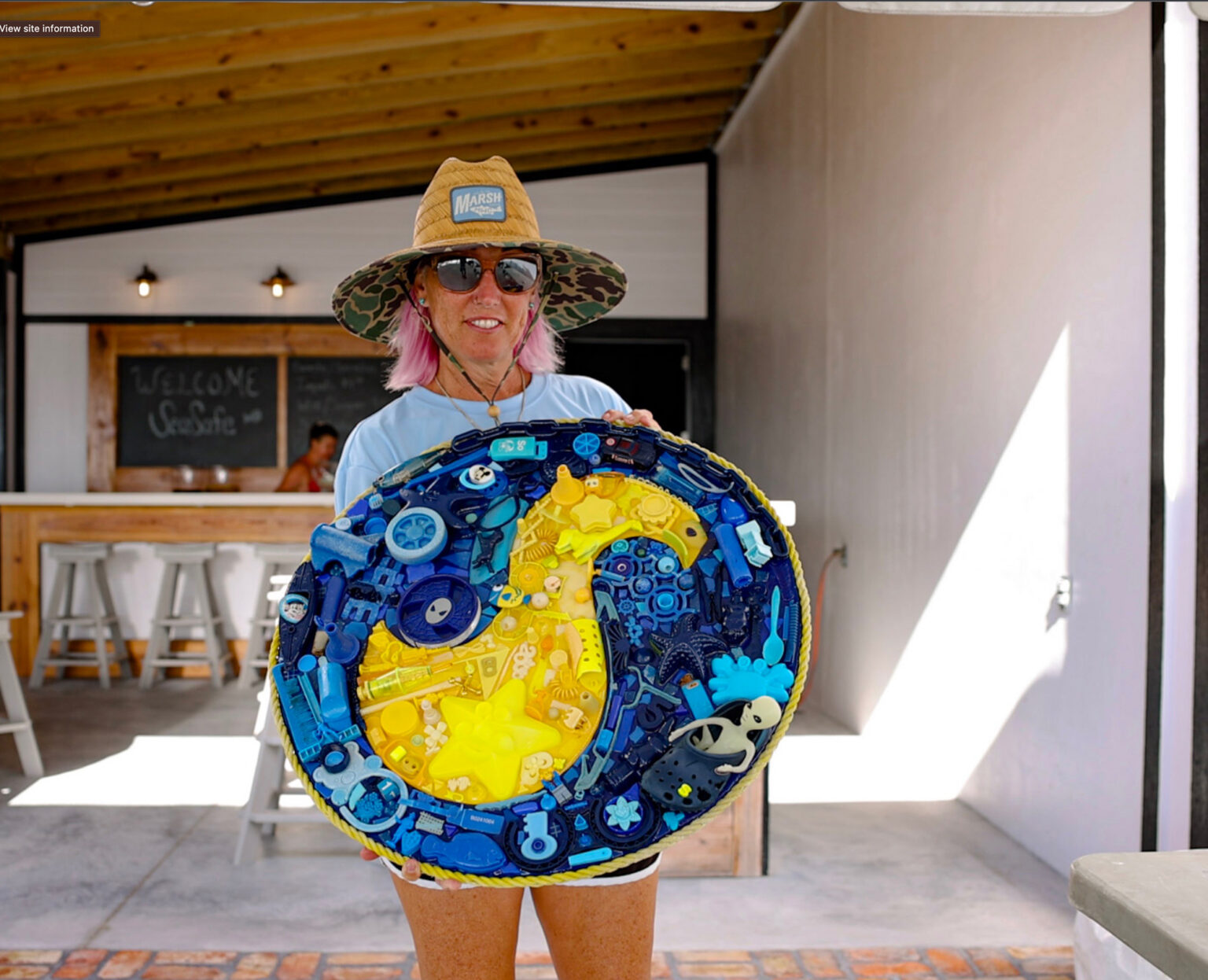 Ọ̀gbọ́n Ìṣètò àti Àwùjọ Tí Ó Wà Lẹ́yìn Ìgbìyànjú Ìgbàpadà Irúgbìn Mangrove àti Kọ́ńkọ́ Àgbègbè Brevard">

Transporting and deploying more than 81 million clams and tens of thousands of mangrove seedlings across the Indian River Lagoon has depended on coordinated boat-based deployment sites, volunteer pickup points on Merritt Island, and hatchery-to-shore supply chains supported by local partners.
From trash art to large-scale habitat projects
With a background in local activism and community outreach, Cory Redwine pivoted from beach cleanups and art installations made from collected debris to leading hands-on habitat restoration. Her early work raised awareness in restaurants and public venues, then evolved into practical conservation: growing mangroves, organizing volunteer plantings, and partnering with organizations that could scale up logistics and funding.
Project SeaSafe and partner roles
As Conservation Director for Star brite’s Project SeaSafe, Redwine coordinated restoration projects across Brevard County and the Indian River Lagoon. The effort brings together volunteers, scientists, anglers, and industry partners to execute tasks that require maritime coordination: staging seedlings, scheduling boat deployments, and ensuring safe handling of shellfish stock.
Key operational components
- Seedling production: nursery growth and acclimation of mangroves prior to outplanting;
- Clam sourcing and transport: coordination with hatcheries, relay stations, and in-water release protocols;
- Otu ọrụ afọ ofufo logistics: site briefings, safety equipment, and transport to shoreline work zones;
- Monitoring: post-planting surveys and water-quality measurements to assess impact.
How mangrove plantings stabilize shorelines
Mangroves serve as living shorelines that reduce erosion, buffer storm surge, and create nursery habitat for fish and crustaceans. By restoring mangrove belts in eroding zones, teams stabilize sediments and improve water clarity, which in turn benefits seagrass recovery and local fisheries — critical assets for coastal communities and recreation-based tourism.
Clam seeding as natural filtration
Clam restoration complements plantings by tackling water quality. Filter-feeding clams remove excess nutrients and particulate matter, helping seagrass beds rebound and increasing biodiversity in hard-hit lagoon areas. The combined approach—mangroves for structure, clams for filtration—creates resilient habitats that support fishing, wildlife viewing, and cleaner beaches for visitors.
| Restoration Technique | Primary Ecological Benefit | Tourism & Community Impact |
|---|---|---|
| Mangrove plantings | Shoreline stabilization; habitat for juvenile fish | Improves shoreline scenery and fishing grounds |
| Clam seeding | Water filtration; nutrient reduction | Cleaner water for boating and diving |
| Community cleanups | Reduces marine debris | Better beach experiences for visitors |
Volunteering, events, and the visitor experience
Annual gatherings such as the Project SeaSafe Clean Water Collective unite anglers, scientists, boaters, and the public for restoration work and education. For travelers interested in meaningful tourism, these events offer a chance to participate in conservation while learning from experts like Dr. Todd Osborne and restoration leads such as Blair Wiggins. Practical involvement reinforces the connection between local ecosystems and the recreational industries that depend on them.
Ways to get involved
- Join guided restoration days (planting mangroves, clam releases).
- Attend educational briefings and monitoring sessions.
- Support land-preservation nonprofits through donations or volunteering.
- Combine conservation activities with wildlife viewing and angling outings.
Community-driven initiatives also include land preservation efforts established to secure critical habitat for science and aquaculture. These long-term measures help protect green corridors and shorelines before development alters them, ensuring that both ecosystems and tourism assets remain viable.
Highlights of this topic include the measurable improvements in water quality from coordinated clam and mangrove efforts, the scalable volunteer logistics that make large deployments possible, and the community education that converts beachgoers into long-term stewards. Even the most detailed reviews and data can’t fully replace the value of first-hand involvement; on GetExperience, you book your experience from verified providers at reasonable prices. The platform supports secure payments with voucher confirmation and allows tailored requests for tours or excursions to match your interests, giving you convenience, affordability, and a wide range of options to choose from. Book now GetExperience.com
In summary, combining nursery-grown mangroves, mass clam seeding, and organized volunteer logistics has helped restore parts of Brevard County’s waterways while strengthening local tourism appeal. These efforts create improved travel experiences and a platform for adventure activities, from eco-friendly wildlife safaris and museum tours with live guides to exclusive yacht charters and cruise packages. Whether you seek interactive online cultural workshops, beginner esports coaching sessions ashore, adventure rafting trips for beginners, luxury adventure travel experiences, or professional esports training programs, the link between healthy ecosystems and quality tourism is clear. Restoration work enhances safari tours, yacht parties, and other offerings, ensuring cleaner waters and richer wildlife encounters for years to come.