


 Norsk nynorsk
  English (UK)
  Русский
  বাংলা
বাংলা  العربية
  日本語
日本語  한국어
한국어  Magyar
  Türkçe
  עִבְרִית
  Español
  Čeština
  Svenska
  Português
  Ελληνικά
  Suomi
Suomi  Nederlands
  Română
  Italiano
  Français
  Polski
  Українська
  Deutsch
  简体中文
简体中文  Slovenčina
  Српски језик
  اردو
اردو  Azərbaycan dili
  O‘zbekcha
  አማርኛ
አማርኛ 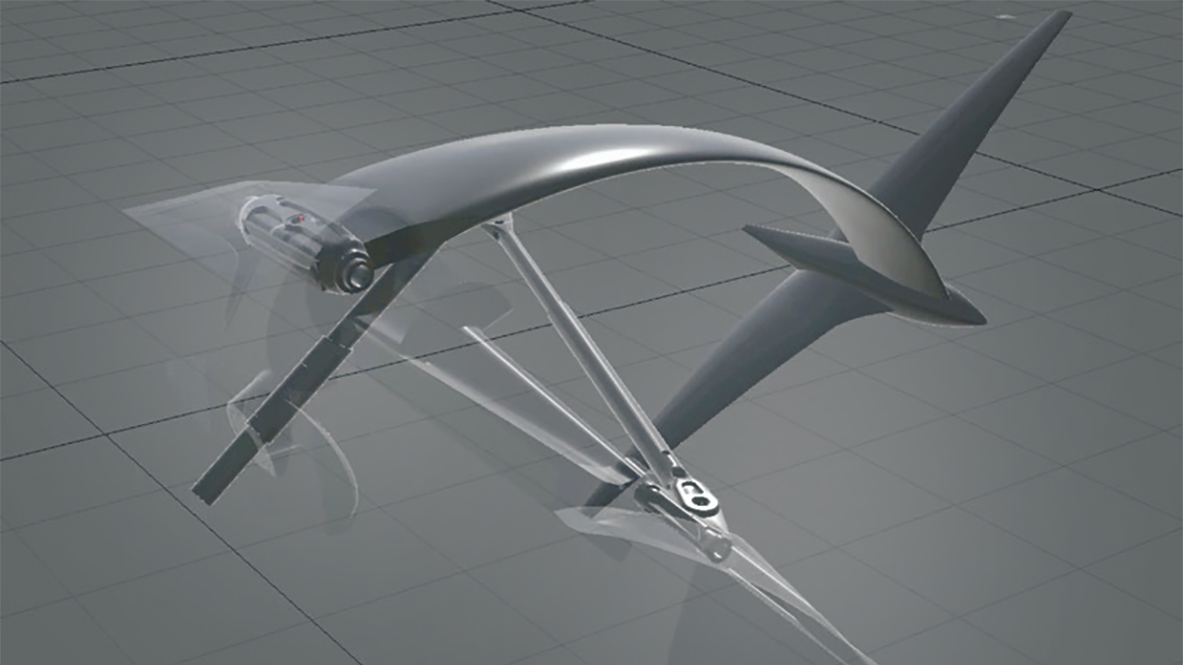 Inside Gitana 18: radical foils, bespoke autopilots and the next wave in ocean racing">

Lorient’s La Base facility hosted the 2,000 m² Gitana workshop where construction consumed roughly ၂၀၀,၀၀၀ လူအင်အားနာရီ, culminating in a 100ft foiling trimaran fitted with ၅၀၀ အာရုံခံကိရိယာ, custom autopilots and multiple experimental appendages.
Where infrastructure meets radical design
The concrete sheds of La Base provided controlled assembly space and secure testing for components too large for standard yards. Major logistic elements included night transfers of the hulls, autoclave curing of up to 80% of composite parts at CDK Technologies, and precision installation of a 121ft Southern Spars mast with hydraulic spreader rams. Supply-chain sequencing had to align advanced metalwork — notably the pivoting T- and Y-foil arms — with electronic integration for fibre-optic strain sensors.
Àwọn ìdàsílẹ̀ pàtàkì ní àkójọpọ̀
- Y-foils on canting arms: wing spans >5m, bulbs ~2m.
- Skate wing T-board: metal construction for improved torsional resistance and sensor embedment.
- U-shaped rudders: non-rotating with twin-chord elevator/flap control, >4m depth.
- Flexi-rig: spreaders that flex up to 35° with hydraulic control for on-the-fly camber adjustment.
- Custom autopilot & simulator: 3D visualisation and predictive flight control tuned to novel appendages.
Technical trade-offs: metal vs carbon and sensor-driven tuning
Switching the central T-board from carbon to metal was a logistics-driven decision: metal sacrifices a sliver of hydro efficiency for superior resistance to impact and to combined torsional and bending loads. The embedded fibre-optic sensors allow real-time measurement of contortion across multiple planes, feeding the onboard simulator and autopilot. This sensor suite is central to predictive maintenance strategies and to extending foil lifespan under cavitation-prone high-speed regimes.
Table: Major systems and operational roles
| Component | Primary role | Notable stat |
|---|---|---|
| Y-foils | Primary lift for foiling at low boatspeed | Wing span >5m; reduce take-off boatspeed to <20 kt |
| Skate wing T-board | Tuning vertical lift and stiffness | 30% larger than predecessor; metal with fibre-optic sensors |
| U-shaped rudders | High-speed directional control, elevator-based trim | Depth >4m; twin vertical chords |
| Flexi-rig | Rapid camber adjustment for takeoff and flight | Spreaders flex up to 35° |
| Autopilot & simulator | 3D predictive helmsman and virtual testing | Thousands of virtual sailing hours |
Control, automation and the human factor
With foils that can be canted, raked and trimmed independently, and with trailing-edge flaps on each wing, the cognitive workload for a solo skipper is substantial. The in-house simulator—evolved from Cup tooling—reduced risk by allowing thousands of virtual hours before sea trials. The custom autopilot acts “like a helmsman,” anticipating movements, managing flight height and visualising the boat in 3D, but class-rule limits on automation remain a factor in operational planning.
Operational considerations for charter and event use
While Gitana 18 is a research-driven racer, many design choices have tourism implications. The move toward robust metal appendages, sensor-led maintenance and flight-stabilising control systems lowers risk for high-speed day sails, exclusive yacht charters for events, and demo experiences for luxury adventure travel operators. Visibility-mandated porthole placement and an enclosed cockpit improve comfort and safety for guests during high-speed passages.
What this means for tourism operators
- Potential for high-adrenaline day charters and yacht parties with enhanced safety margins.
- New platforms for luxury adventure travel experiences and exclusive yacht charters for events.
- Data-rich maintenance regimes that can lower downtime and improve reliability for cruise packages.
For travellers wanting to have a mind to experience cutting-edge sailing near Lorient, local infrastructure and specialised providers can now better stage test sails, museum tours with live guides about naval technology, and even interactive demonstrations of onboard simulators as part of a cultural program.
Highlights include radical Y-foils that promise earlier takeoff, metal skate wings with embedded sensors, U-shaped rudders for stable high-speed control, and a flexi-rig for on-the-fly power management. Yet no amount of analysis replaces first-hand experience: reading tests and reviews is useful, but sailing once aboard or joining an escorted demo provides the true perspective. On GetExperience, you book your experience from verified providers at reasonable prices using secure payments with voucher confirmation afterward, and you can submit customised tour or excursion requests to receive offers tailored to your preferences—transparent, convenient and affordable. Book your Trip GetExperience.com
In summary, Gitana 18 represents a concentrated set of engineering choices aimed at sustained foiling performance: extensive sensor networks, novel foil geometry, reinforced metallic boards, adaptive rigging and bespoke control software. The logistics of building and deploying such a platform— from La Base assembly to autoclave-cured components and simulator-led testing—point to a future where high-performance design informs both record attempts and new travel experiences. These advances create opportunities for Travel experiences, Adventure activities, Online virtual tours of ship systems, Yacht parties and Exclusive yacht charters for events, Cruise packages, Safari tours and Eco-friendly wildlife safaris to benefit from safer, faster and more data-driven platforms, while Interactive online cultural workshops and Museum tours with live guides can deepen visitor engagement.