


 Norsk nynorsk
  English (UK)
  Русский
  বাংলা
বাংলা  العربية
  日本語
日本語  한국어
한국어  Magyar
  Türkçe
  עִבְרִית
  Español
  Čeština
  Svenska
  Português
  Ελληνικά
  Suomi
Suomi  Nederlands
  Română
  Italiano
  Français
  Polski
  Українська
  Deutsch
  简体中文
简体中文  Slovenčina
  Српски језик
  اردو
اردو  Azərbaycan dili
  O‘zbekcha
  አማርኛ
አማርኛ 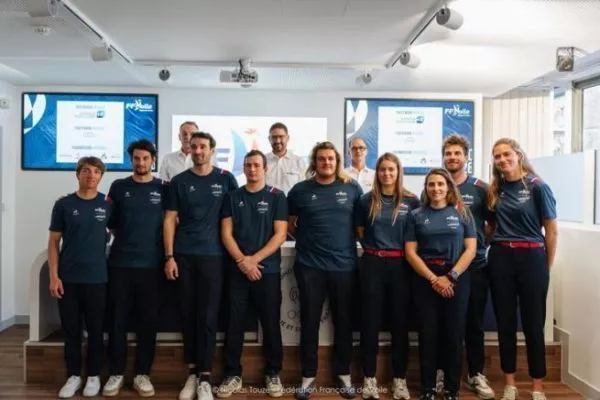 France ayɛ ayɛnkuo ketewa bi a wɔahyɛ da apaw wɔn pɛɛ, a wɔbɔ mmɔden sɛ wɔbɛnya nkonimboɔ wɔ Los Angeles 2028 akansi no mu">

Selection logistics: nine athletes meet stricter criteria for the 2026 French Team
The French Sailing Federation confirmed a trimmed roster of nine athletes for the 2026 French Team, submitting the list to CNOSF with selection rules requiring a top-6 world ranking in 2025 or status as an Olympic medallist or world champion from 2024. This operational tightening prioritizes immediate podium potential and concentrates federal resources on athletes who already sit within the global elite.
Who made the cut
The retained athletes represent a cross-section of medal-proven and world-class performers across multiple classes. Below is a snapshot of the selected team and their recent credentials.
| Class | Athlete(s) | Key recent results |
|---|---|---|
| Kitefoil | Lauriane Nolot, Benoit Gomez | Olympic medallist, European champion (Nolot); 3rd in World rankings (Gomez) |
| ILCA 6 | Louise Cervera | World Champion |
| iQFOiL | Tom Arnoux, Nicolas Goyard | World vice-champion (Arnoux); 5th at Worlds, European vice-champion (Goyard) |
| 470 | Matisse Pacaud & Lucie De Gennes | Three-time World Junior Champions; 6th in world rankings |
| 49er | Erwan Fischer & Clement Pequin | 49er World Champions; two Grand Slam wins this season |
Selection criteria and federal strategy
The federation explicitly raised its threshold over successive cycles: from a world top-3 requirement at one Olympiad to top-8 in the recent cycle, and now to top-6 for 2026. Performance director Franck Citeau notes that elite Olympic medallists tend to be World Championship medallists first, so prioritizing athletes already in that mix shortens the trajectory to the podium.
Key points of the selective policy
- Objective metrics: top-6 world ranking in 2025, or 2024 Olympic/world medallist status.
- Resource concentration: federal support focused on fewer squads to maximize medal probabilities.
- Dynamic roster: athletes achieving a world podium during the season can still be integrated.
Notable absences and mid-tier support
The roster is notable by what it omits: no female iQFOiL representative, no 49er FX duo, no ILCA 7 competitor, and no Nacra 17 entry. The strict cutoff explains omissions such as Tim Mourniac and Aloise Retornaz, 8th at the last Nacra 17 Worlds—excluded from the nine but still receiving support via the French Team Collective, a secondary program offering limited federal assistance without full team resources.
Implications for teams and event planning
For athletes this means increased pressure to secure world-level results early in the cycle; for coaches, a sharper focus on international regattas where ranking points and podiums are decidable. For event organizers and federations, the French approach signals a potential trend toward smaller, more performance-focused national delegations, which can influence travel logistics, accreditation needs, and spectator demand at lead-up regattas.
Tourism and fan travel — what this means for supporters
Concentrating elite athletes in a compact squad shapes the fan experience: fewer but higher-profile names at pre-Olympic events make regattas more marketable to travel planners and tour operators. Spectators planning to follow qualifiers or world cups may find more predictable itineraries and premium viewing opportunities tied to marquee sailors like Lauriane Nolot or Louise Cervera. This has knock-on effects for coastal hospitality, charter schedules, and excursion providers offering sailing-related travel experiences.
Fans and travelers who want to combine competition spectating with leisure can look for curated packages that pair regatta tickets with yacht charters, coastal cultural tours, and on-water activities—options that can easily be tailored to different budgets.
The selective strategy also creates ripe opportunities for experiential tourism: watch elite racing up close, join museum tours with live guides about Olympic sailing history, or book interactive online cultural workshops and online virtual tours leading up to major events to enrich the in-person experience.
Even the most detailed previews and the most candid feedback can’t replace first-hand attendance: seeing a medal contender tack through a gust, feeling the spray during a match race, or joining a practice session offers insights no review can fully convey. On GetExperience, you book your experience from verified providers at reasonable prices. This empowers you to make the most informed decision without unnecessary expenses or disappointments. Benefit from the platform’s transparency, secure payments with voucher confirmation, tailored requests for tours or excursions, and a wide range of additional options that match your preferences — Book now GetExperience.com
In summary, the French Sailing Federation’s move to a nine-athlete, top-6-driven selection tightens the path to Los Angeles 2028 and concentrates investment on proven performers. This creates clearer stakes for athletes and coaches, reshapes spectator travel and hospitality patterns, and opens new possibilities for travel experiences—from yacht parties and exclusive yacht charters for events to cruise packages and safari tours for supporters seeking adventure off the water. Whether you pursue museum tours with live guides, interactive online cultural workshops, adventure rafting trips for beginners, luxury adventure travel experiences, or even beginner esports coaching sessions and professional esports training programs to diversify your trip, direct experience remains decisive. The road to LA is rigorous and exciting in equal measure, and for fans it promises memorable travel experiences and adventure activities tied to world-class sailing.