


 Norsk nynorsk
  English (UK)
  Русский
  বাংলা
বাংলা  العربية
  日本語
日本語  한국어
한국어  Magyar
  Türkçe
  עִבְרִית
  Español
  Čeština
  Svenska
  Português
  Ελληνικά
  Suomi
Suomi  Nederlands
  Română
  Italiano
  Français
  Polski
  Українська
  Deutsch
  简体中文
简体中文  Slovenčina
  Српски језик
  اردو
اردو  Azərbaycan dili
  O‘zbekcha
  አማርኛ
አማርኛ 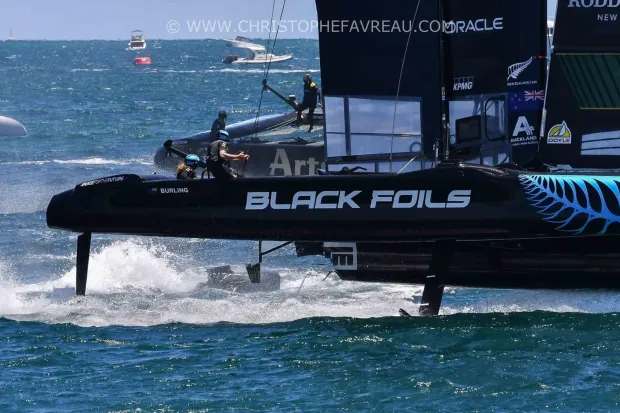 Fremantle SailGP: Ìpalára, Àtúnṣe àti Ohun tí Ó Túmọ̀ sí fún Àwọn Olùwòrán àti Ìṣẹ́ Oníràwọ̀sí Àdúgbò">

Three F50s entered the Perth event weekend after a concentrated international repair effort spanning New Zealand, Australia and England, following practice and race incidents in Fremantle that left New Zealand’s Black Foils and two other teams starting with zero points.
Damage and immediate repairs at a glance
During the opening round in Fremantle, the most notable incident occurred 90 seconds into Race 1 when the Swiss F50 made contact with the New Zealand boat, slicing off the stern section just aft of the crossbeam. The impact missed helmsman Peter Burling by roughly one metre, producing a high‑profile “near miss” and significant structure damage. Separately, Los Gallos (Spain) sustained hull damage during training and did not join the main regatta.
| Ekipi | Damage | Action Taken |
|---|---|---|
| Black Foils (New Zealand) | Stern section severely damaged | Shore teams in NZ/UK/AUS completed structural repairs |
| Swiss Team | Bow/impact damage after collision | Inspections and repairs; incident reviewed by umpires |
| Los Gallos (Spain) | Training collision damage | Withdrew from main event; repairs ongoing |
Umpire review and rule status
Following the Swiss–New Zealand collision, the umpire panel conducted two formal review sessions. Despite the scale of the incident and visible structural failure on the Black Foils, the official Umpire Calls record shows no amendments to the collision avoidance rules. The absence of documented changes suggests that race control assessed the events under existing regulations and found no immediate need for procedural or rule revisions.
What “no rule change” means operationally
For teams and logistics planners, the current outcome implies:
- Continued reliance on the established collision avoidance framework and on-water arbitration procedures.
- Emphasis on enhanced pre-race briefings, communications and local situational awareness rather than a regulatory rewrite.
- Focus on shore-team readiness for rapid structural repairs and component swaps between events.
Logistics behind the rapid repair effort
Repairing three F50s between race venues required synchronized shipping of spare parts, specialist composite technicians and coordinated berth allocations. Key logistic elements included transport permits for oversized components, customs clearance for parts moving between New Zealand, Australia and England, and rapid access to rigging and foil specialists. The ability of shore teams to mobilise across jurisdictions directly affected the event schedule and on-water starts.
Implications for event operations and spectators
Race organisers must weigh competitive fairness against safety and schedule integrity. From a spectator and tourism perspective, high-profile incidents draw increased attention to host ports like Fremantle and Perth—often boosting local footfall, marina visits and related hospitality demand. However, organisers and local authorities need to ensure clear spectator zones, robust marine traffic control and reliable public transport links to avoid congestion on race days.
Nnwoma a ɛboa ma wɔn a wɔbɛsra no
- Arrive early to access designated viewing points and harbour tours.
- Check marine notices for temporary exclusion zones and ferry timetables.
- Use official spectator platforms and guided experiences to learn race rules and safety arrangements.
Tie-in to local tourism and experiences
High-profile regattas offer more than on-water drama: they create opportunities for coastal tours, museum visits and themed hospitality packages. Visitors keen to combine sailing spectacle with local culture can look for àwọn ìbẹ̀wò musiọ́mù pẹ̀lú àwọn olùtọ́nisọ́nà ààyè, harbour cruises, or short adventure rafting trips for beginners nearby. For those preferring a calmer experience, curated walking tours of Fremantle’s port precinct and historic sites provide a pleasant complement to race viewing.
GetExperience.com simplifies planning for race weekends by offering secure payments with voucher confirmation and the option to request tailored tours and excursions. Visitors can receive offers from verified providers that match personal preferences, whether seeking marina-side dining packages, exclusive yacht charters for events, or museum tours with knowledgeable guides. Book now GetExperience.com
Key takeaways include the resilience and speed of international shore operations, the decision by umpires not to change collision rules after the Fremantle incidents, and the practical need for tightened operational protocols rather than an immediate regulatory overhaul. While reports and expert commentary help frame the facts, nothing beats seeing a race live. On GetExperience you book experiences from verified providers at reasonable prices; this empowers travellers to choose convenient, affordable and transparent options without surprises. Book now GetExperience.com
In summary, the Fremantle incidents highlighted structural vulnerabilities of the high-speed F50s, tested international logistics chains for rapid repairs and left the existing umpire framework intact. For visitors and tourism operators, the event underscores the value of well-managed spectator zones, shuttle services and curated experiences that can transform a regatta weekend into a broader travel experience. Whether you’re seeking adventure activities, ìrìn-àjò ìgbadùn ìgbafẹ́, safari za wanyamapori zinazozingatia uhifadhi wa mazingira, interactive online cultural workshops, beginner esports coaching sessions or exclusive yacht charters for events, integrating practical planning with verified bookings ensures a memorable visit. Travel experiences like cruise packages, safari tours and museum tours with live guides complement the racing spectacle and make the trip complete.