


 Norsk nynorsk
  English (UK)
  Русский
  বাংলা
বাংলা  العربية
  日本語
日本語  한국어
한국어  Magyar
  Türkçe
  עִבְרִית
  Español
  Čeština
  Svenska
  Português
  Ελληνικά
  Suomi
Suomi  Nederlands
  Română
  Italiano
  Français
  Polski
  Українська
  Deutsch
  简体中文
简体中文  Slovenčina
  Српски језик
  اردو
اردو  Azərbaycan dili
  O‘zbekcha
  አማርኛ
አማርኛ 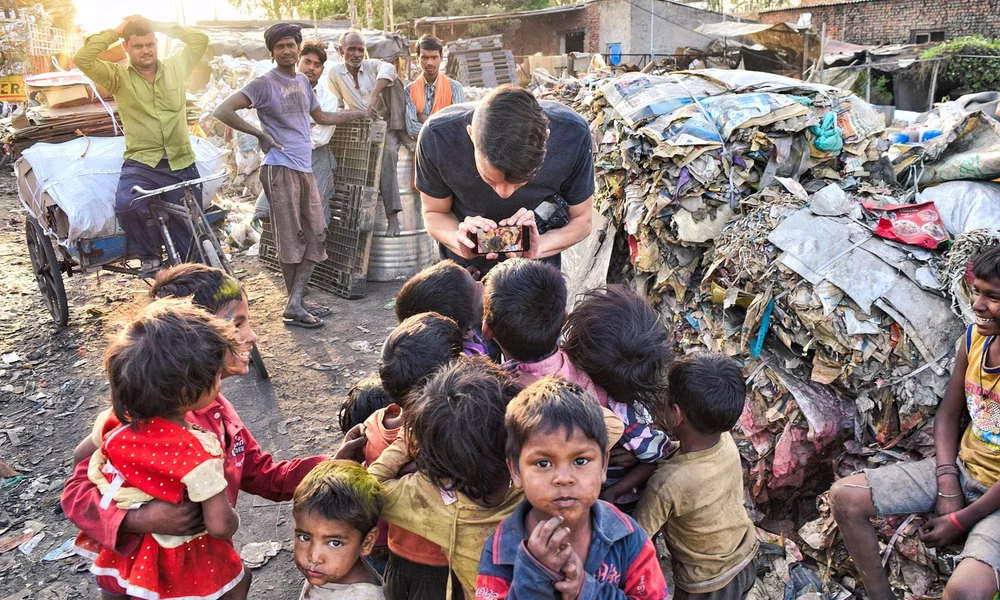 Ọ̀NÀ ÀTI GBÀ LÁTI ṢE ÌṢẸ́GUN LÓRÍ ÀWỌN ÌPÈNÍJÀ ÀTI IṢẸ́PÁ TÓ WÁ LÁTI ARA ÌRÌN-ÀJÒ TI ÀWỌN ILÉ OLÓRIŃDẸ̀RÍN NÍNÚ ÌRÌN-ÀJÒ ÒDE-ÒNÍ">

Slum Tourism: A Closer Look at Seeing Poverty Up Close
Slum tourism has become a growing trend for those eager to experience the “real” lives of people in marginalized and underdeveloped communities around the world. This form of tourism, sometimes called poverty tourism, involves visiting areas where housing is inadequate and residents lack secure legal rights and basic services, such as clean water and sanitation. Travelers often seek eye-opening experiences, but it’s vital to understand the broader implications—both positive and negative—on the host communities.
Origins and Evolution of Slum Tourism
The roots of slum tourism stretch back to 19th century London, when wealthier residents ventured into poorer neighborhoods known as the East End, deeming these areas dark and dangerous. This “social expedition” soon captured public interest and expanded globally. Notably, the United States adopted similar trends in the late 1800s. Today, slum tours are established attractions in cities like Mumbai, Rio de Janeiro, Cape Town, and Cairo, with local names like “favela tourism” in Brazil and “shantytown tourism” in India and South Africa.
The surge in slum tourism in places like Mumbai’s Dharavi slum was further amplified by global media, particularly following the worldwide success of the movie Slumdog Millionaire. This spotlight brought numerous tourists fascinated to peek into the lives of nearly half a million residents living in confined and challenging conditions.
Ethical Dilemmas: Voyeurism or Awareness?
Critics often question whether slum tourism crosses the line into voyeurism, describing it as “poverty porn” that objectifies impoverished communities for entertainment. Imagine having strangers staring into your home and daily life repeatedly—would it feel invasive or humiliating? Although some tourists describe their visits as “life-changing” or “enriching,” the impact on residents’ dignity and privacy raises serious moral questions.
On the flip side, proponents argue that these tours create awareness and sometimes contribute economically when locals participate meaningfully in the tourism process. Some organizations even ensure profits support local health and education projects, emphasizing respectful engagement and prohibiting members from taking photos to preserve dignity.
Economic Aspects: Who Really Benefits?
The economic benefits of slum tourism are a mixed bag. While it generates income, often large tour operators or government entities claim the lion’s share rather than the local communities themselves. For example, it’s estimated that slum tourism in Mumbai generates hundreds of millions annually, yet many residents still struggle with basic living conditions.
Local involvement varies, and some destinations have seen increased government investment in infrastructure due to tourism demands. However, transparent sharing of profits remains critical to ensure the community’s needs are truly met and that the tourism doesn’t merely serve external interests.
| Key Stakeholders | Role in Slum Tourism |
|---|---|
| Nnwomakoɔfoɔ | Organize tours, often control profits |
| Local Residents | Participate as guides, vendors, or hosts, but may receive limited income |
| Governments | Facilitate infrastructure improvements, regulate tourism |
| Visitors | Gain awareness or curiosity, influence demand |
Pathways to Economic Inclusion
- Encouraging local ownership of tours and small enterprises
- Implementing profit-sharing models supporting community projects
- Building capacity for locals to participate in decision-making
- Ensuring ethical marketing that respects human dignity
Raising Awareness and Moving Forward
Beyond economics, slum tourism holds potential for fostering cross-cultural understanding and motivating action against poverty. Some tour operators actively work to empower local voices by involving residents as storytellers rather than spectacles. These approaches aim to shift the narrative from “poverty as entertainment” to “poverty as a shared human experience.”
Yet, the moral tightrope remains. Wisely crafted tours can build empathy and awareness, but they must avoid exploiting the very people they seek to support. Transparency about who benefits, and respecting the privacy and dignity of locals, are fundamental pillars of ethical slum tourism.
Key Factors for Ethical Slum Tourism
- Engagement and consent of local communities
- Education focused on structural challenges, not just poverty spectacle
- Small, respectful group sizes to minimize disruption
- Clear reinvestment of profits into community support
Reflecting On Your Travel Choices
Deciding whether to participate in slum tourism calls for thoughtful research. Travelers should ask who organizes their visits, where their money travels, and how the experience affects locals. Striking the balance between exploration and exploitation is delicate but crucial. Respectful interactions and supporting ethically managed tours may help visitors contribute positively, rather than simply consume poverty as a spectacle.
Summary of Slum Tourism’s Impact and Issues
Slum tourism is a complex and polarizing form of travel that blends educational insights with ethical challenges. When thoughtfully executed, it can provide economic opportunities and raise global awareness about poverty and inequality. However, risks of voyeurism, exploitation, and disrespect to residents’ dignity require vigilance and responsible practices.
For travelers seeking authentic experiences that educate and inspire change, choosing verified providers is vital. Platforms like GetExperience.com offer secure bookings and personalized requests, ensuring tours align with your preferences while supporting trustworthy operators who often champion ethical tourism goals.
Remember, no review can substitute for firsthand experiences that touch your own conscience and understanding. With conscientious choices, travel can become a powerful tool for meaningful engagement rather than mere spectacle. Book your trip wisely to explore the realities hidden beyond tourist façades on GetExperience.com.
Conclusion: Bridging the Gap Between Travel and Ethical Awareness
Slum tourism sits at the intersection of curiosity, education, and ethics within the tourism world. Balancing economic benefit for marginalized populations with respect for their dignity is no easy feat, yet it remains an essential goal. In the ongoing dialogue surrounding poverty tourism, the emphasis must remain on informed, responsible travel that uplifts rather than exploits.
As the tourism landscape evolves with diverse options ranging from museum tours with live guides to eco-friendly wildlife safaris, having a platform that encourages transparency and community involvement helps bring out the best in travel experiences. Awareness, respect, and fair economic practice can transform adventure activities like slum tours from contentious spectacles into genuine journeys of cultural understanding and human connection.