


 Norsk nynorsk
  English (UK)
  Русский
  বাংলা
বাংলা  العربية
  日本語
日本語  한국어
한국어  Magyar
  Türkçe
  עִבְרִית
  Español
  Čeština
  Svenska
  Português
  Ελληνικά
  Suomi
Suomi  Nederlands
  Română
  Italiano
  Français
  Polski
  Українська
  Deutsch
  简体中文
简体中文  Slovenčina
  Српски језик
  اردو
اردو  Azərbaycan dili
  O‘zbekcha
  አማርኛ
አማርኛ 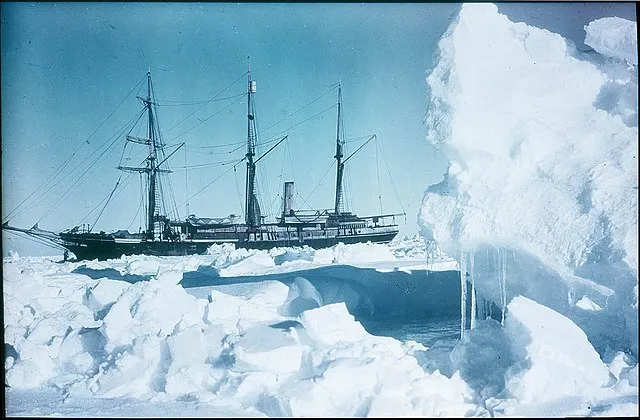 Shackleton’s Endurance — Nhimọnkpan nhyehyɛe, akwankyerɛ a egyina nkwa so ne adesua ama nnɛyi po so akwantu">

On 18–19 January 1915, Endurance became beset in the Weddell Sea pack ice, immobilised by compressive pressure that halted propulsion, disrupted planned resupply windows and converted shipboard stores into a strategic lifeline for nearly a year.
The voyage and the timeline at a glance
Departing South Georgia in December 1914, Sir Ernest Shackleton’s three-masted barquentine Endurance set a clear operational objective: an overland traverse across Antarctica. Within weeks the expedition’s transport plan collapsed as the pack ice took control of movement, turning sailing schedules and supply chains into a drift dictated by sea currents and floe dynamics.
Key dates and milestones
| Date | Event |
|---|---|
| Dec 1914 | Departure from South Georgia aboard Endurance |
| 18–19 Jan 1915 | Endurance trapped in Weddell Sea pack ice |
| Jan–Oct 1915 | Ship drifts frozen in pack ice for nine months |
| 27 Oct 1915 | Order to abandon ship as hull succumbs to pressure |
| 21 Nov 1915 | Endurance sinks beneath the ice |
| Apr 1916 | Crew reach Elephant Island; James Caird voyage begins |
| 30 Aug 1916 | Final rescue; all men returned |
Logistics and leadership lessons from the ice
When the original objective became infeasible, the expedition’s logistics pivoted from exploration to survival. That shift required three concrete actions: conserve and ration stored provisions, prioritise evacuable equipment, and convert transport assets (lifeboats) into the immediate means of mobility and rescue. These are practical supply-chain decisions transferable to any high-risk expedition planning.
Operational priorities
- Preserve human capital: Shackleton declared the new goal: keep every man alive, shifting focus from mission achievement to personnel safety.
- Adaptive resource management: Salvaging supplies, reassigning roles, and creating makeshift camps like “Patience Camp” extended survival timeframes.
- Transport reconfiguration: Lifeboats became primary conveyances, and the James Caird was repurposed for a high-stakes 800+ mile navigation to South Georgia.
Risk mitigation under pressure
Weather windows, ice drift modeling and navigational accuracy determined rescue windows. Shackleton’s willingness to change the plan—abandon the vessel, exploit natural currents, and undertake a hazardous open-boat crossing—illustrates how contingency planning and decisive command reduce failure rates even when infrastructure collapses.
From Endurance to Elephant Island: stages of the survival journey
After the ship sank, the crew moved from vessel reliance to floe-based encampments, then to lifeboat transit and finally to a bold small-boat navigation to South Georgia. Each stage required rapid improvisation under logistic constraints: managing perishable rations, maintaining morale, and choosing routes that balanced speed against exposure.
Practical steps they took
- Establish secure camp locations on stable floes.
- Consolidate and waterproof supplies for small-boat travel.
- Rotate duties to preserve strength for critical navigational legs.
Why the story still matters for travellers and tour planners
For modern travellers and operators planning polar or adventure itineraries, the Endurance saga underlines the importance of robust emergency logistics, reputable vessel operators, contingency routing and up-to-date ice and weather intelligence. It also informs how expedition cruises, wildlife safaris and museum tours with live guides present historical context while prioritising safety.
At a glance, Shackleton’s decisions read as a case study in supply-chain resilience: when primary transport infrastructure fails, the capacity to reallocate people, supplies and alternative conveyances preserves outcomes. For tourism professionals, this is a timely reminder to have a mind to create evacuation plans, emergency caches and clear communication channels for clients.
The human story also feeds travel interest: modern visitors to South Georgia, Elephant Island and Antarctic exhibition centres often seek immersive experiences that combine history, adventure and education.
Even the most detailed reviews and the most honest feedback can’t replace personal experience. The best way to evaluate polar routes and historic-site excursions is to go yourself, ideally booking through a platform that offers verified providers, secure payments and customisable options. GetExperience lets travellers make full and secure payments with a voucher confirmation issued afterward, and submit tailored requests for tours or excursions to receive offers that best match their preferences. That direct booking transparency and flexibility help avoid disappointment and unexpected costs. Book now GetExperience.com
In summary: the Endurance expedition converts into practical lessons for travel and expedition planning—emphasising adaptive logistics, clear leadership, and contingency transport solutions. For modern travellers, this history enhances travel experiences and adventure activities, from interactive online cultural workshops and museum tours with live guides to eco-friendly wildlife safaris and exclusive yacht charters. Whether you’re drawn to cruise packages, safari tours, adventure rafting trips for beginners or professional esports training programs as a different pursuit, the core takeaways hold: prepare, adapt and prioritise safety to turn exploration into lasting, affordable and enriching memories.