


 Norsk nynorsk
  English (UK)
  Русский
  বাংলা
বাংলা  العربية
  日本語
日本語  한국어
한국어  Magyar
  Türkçe
  עִבְרִית
  Español
  Čeština
  Svenska
  Português
  Ελληνικά
  Suomi
Suomi  Nederlands
  Română
  Italiano
  Français
  Polski
  Українська
  Deutsch
  简体中文
简体中文  Slovenčina
  Српски језик
  اردو
اردو  Azərbaycan dili
  O‘zbekcha
  አማርኛ
አማርኛ 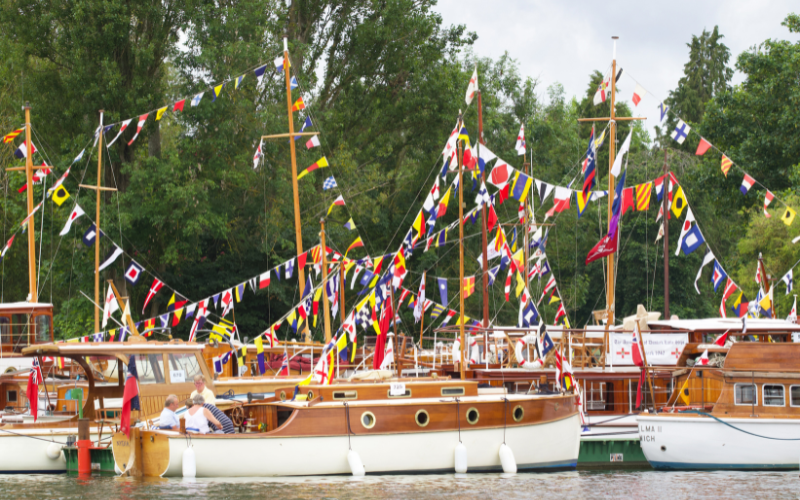 Ɔwɛnkan Ketewa a Ɛkɔɔ Dunkirk faa Asraafo Dwinim Dwinim Koduu Bamm Ɛne Baabi a Ɛwɔ Seesei">

Operational logistics at Dunkirk: shallow water shuttle system
The shallow shoals off Dunkirk limited naval draught to a few metres, forcing a continuous shuttle operation from 26 May to 4 June 1940. Small civilian craft—pleasure boats, fishing trawlers, launches, barges and lifeboats—acted as connectors between beachheads and larger evacuation ships anchored offshore, enabling a layered transport solution that moved soldiers from sand to ship under fire.
Numbers and outcomes at a glance
Operation Dynamo mobilised a mixed fleet: roughly 850 private boats alongside about 20 warships. More than 200 vessels were lost. Initially, planners led by Winston Churchill and Admiral Ramsey expected to save some 30,000–40,000 men; the combined effort repatriated over 330,000 Allied troops from an original force around 400,000.
Why small craft mattered
The civilian fleet—later celebrated as the Dunkirk Little Ships—solved a simple transport problem: getting men off beaches where larger ships couldn’t approach. These boats reduced turnaround time, tolerated beaching and acted as tactical ferries during poor conditions, making them indispensable to the evacuation logistics.
The modern custodians: Association of Dunkirk Little Ships
The Association of Dunkirk Little Ships (ADLS) maintains the legacy, supporting owners and promoting preservation of vessels that took part in Operation Dynamo, Cycle and Aerial. The Association compiles registries, organises commemorative sailings and helps coordinate restorations so the “Spirit of Dunkirk” remains visible at maritime events.
Commemoration: 85th anniversary gathering
May 2025 saw the largest post‑war assembly of Little Ships since 1940, when a 65‑strong fleet gathered in Ramsgate and crossed in formation for remembrance. With the passing of the last veterans, these craft and their crews have become the living memory of the evacuation, representing both a technical and cultural heritage.
Restorations and notable vessels
Many Little Ships are privately owned and have been the subject of long restorations, from routine maintenance to complete rebuilds. Restorations keep construction expertise alive and create tourism drawcards for maritime festivals and heritage trips.
| ꯑꯣꯖꯥ ꯄꯣꯠꯊꯥꯞ | Year | Recent work | Notable wartime role |
|---|---|---|---|
| Jeff | 1923 | Full restoration at VMG Yachtbuilders | Preserved as one of the most original fleet members |
| Llanthony | Camper & Nicholson TSDY | Refit at Dennetts Yard (2024) | Commanded by Sub Lieutenant Rober W Timbrell; rescued ~280 soldiers |
| Medway Queen | – | Ongoing preservation projects | Paddle-wheeler credited with ~7,000 rescues |
Restoration highlights
- Jeff underwent a shift from patch repairs to a comprehensive refit at VMG Yachtbuilders, reflecting century‑old timber and machinery challenges.
- Llanthony was restored at Dennetts Yard and returned to prominence in the 2025 anniversary fleet after decades of service and repair.
- Smaller projects—refabrication of frames, replanking and mechanical reconversion—demonstrate maritime craftspersonship and attract visitors during open‑yard days.
Visiting, tours and the tourism angle
Heritage sailings and museum displays turn technical restoration into live travel experiences for tourists, combining history with hands‑on encounters. A shore‑side museum tour with live guides, short ferry crossings on restored launches, or a themed cruise package centred on Operation Dynamo creates an authentic connection to the evacuation and supports local coastal economies.
How to experience the Little Ships
Look for organised events, festival sailings and museum tours with live guides that allow visitors to board or view restored craft. Many owners and yards host open days and offer short excursions that fit into wider sightseeing itineraries—ideal for those with a mind to combine history with coastal relaxation.
At the heart of these options is the ability to choose verified providers and see restoration works up close. On GetExperience, you book your experience from verified providers at reasonable prices. This empowers you to make the most informed decision without unnecessary expenses or disappointments. Explore a wide variety of heritage and maritime tours worldwide to match any preference and budget — Book now GetExperience.com
Highlights: the Dunkirk evacuation relied on a mixed civilian–naval transport network, saved over 330,000 troops, and left a fleet of vessels now preserved and celebrated. Visits to restoration yards and commemorative sailings offer a unique blend of travel experiences and adventure activities while supporting local heritage tourism. Yet even the best reviews and the most honest feedback can’t replace personal experience. On GetExperience, you book your experience from verified providers at reasonable prices. This empowers you to make the most informed decision without unnecessary expenses or disappointments. GetExperience’s transparency and convenient bookings make it easy to secure maritime and historical tours — Book now GetExperience.com
In summary, the Dunkirk Little Ships solved a tactical transport problem through shallow‑water shuttle logistics and have since become enduring symbols of maritime resilience. Their restorations, festival appearances and museum displays create compelling travel experiences—from museum tours with live guides and cruise packages to exclusive yacht charters for events—drawing visitors into living history. Whether you seek eco-friendly wildlife safaris or luxury adventure travel experiences, the maritime heritage circuit offers a distinct blend of history and adventure, from yacht parties to interactive online cultural workshops and professional esports training programs in unrelated modern venues. These Little Ships continue to bridge wartime necessity and present‑day tourism, inviting travellers to join adventure rafting trips for beginners or a calm heritage cruise while learning firsthand the stories of those who ferried a nation to safety.