


 Norsk nynorsk
  English (UK)
  Русский
  বাংলা
বাংলা  العربية
  日本語
日本語  한국어
한국어  Magyar
  Türkçe
  עִבְרִית
  Español
  Čeština
  Svenska
  Português
  Ελληνικά
  Suomi
Suomi  Nederlands
  Română
  Italiano
  Français
  Polski
  Українська
  Deutsch
  简体中文
简体中文  Slovenčina
  Српски језик
  اردو
اردو  Azərbaycan dili
  O‘zbekcha
  አማርኛ
አማርኛ 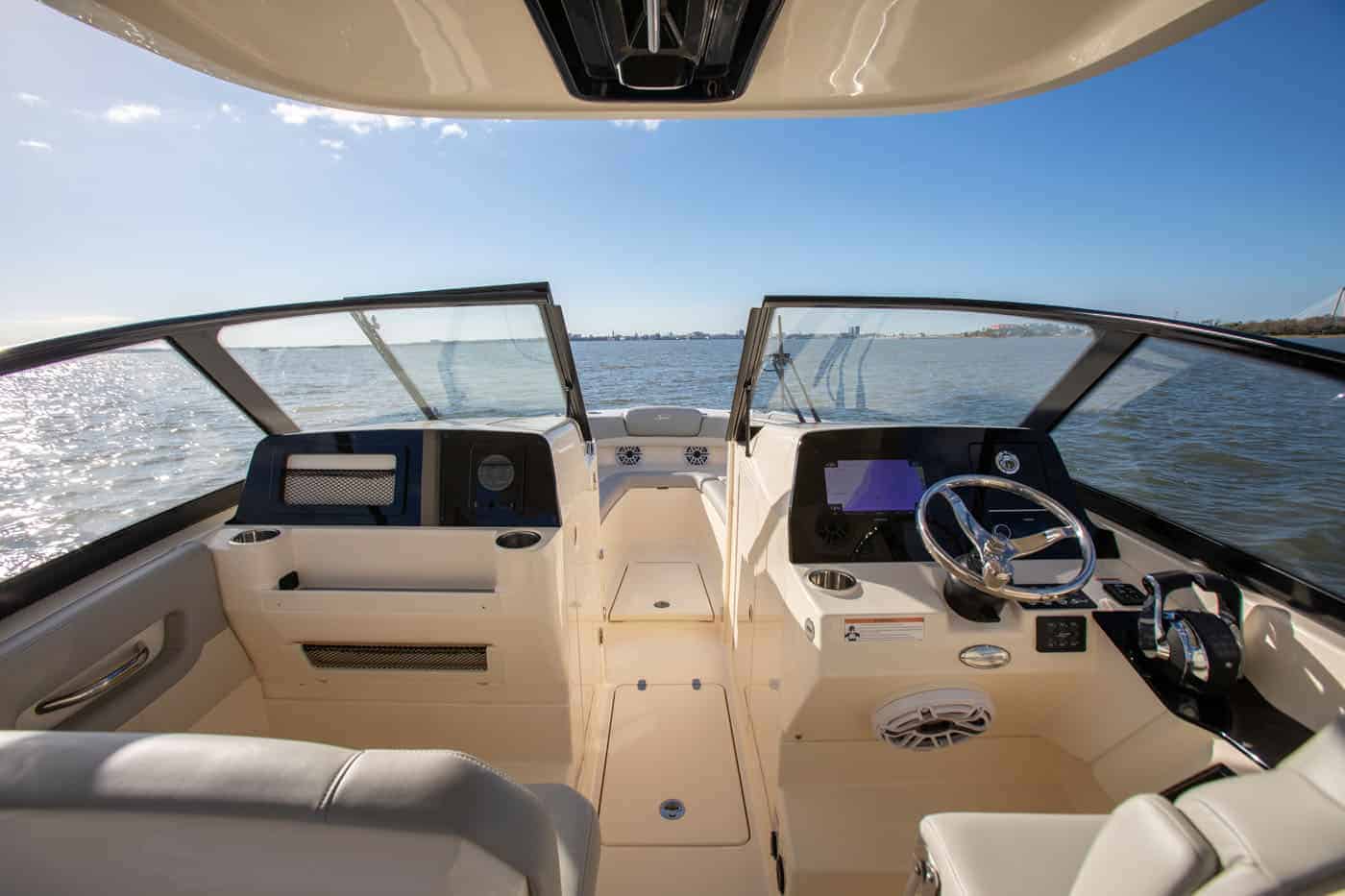 Ẹ̀kọ́ Ọkọ̀ Ojú Omi Ẹ̀dá Ìṣọ̀kan Méjì: Àwọn Àṣàyàn Tí Ó Ṣeé Ṣe fún Ìpẹja, Ìrìn-àjò, àti Eré Ìdárayá Inú Omi">

Dual-console vessels commonly require trailers 20–28 ft long and towing capacities in the 4,500–9,000 lb range, plus marina slips with beams of 9–11 ft and fuel planning for tanks that typically span from 50 to 200 gallons—details that directly shape trip logistics, charter schedules, and itinerary range for coastal and island excursions.
What makes a dual console distinct
A dual console boat features two separate helm consoles separated by a walkthrough windshield, creating a protected passage to the bow while maintaining an open, social layout. This configuration balances wind protection with easy bow access, which is useful for passenger movement on daycharters, family outings, or fishing stops.
Core advantages for recreational boating and tourism
- Versatility: Smoothly switches between cruising, watersports, fishing, and entertaining.
- Weather protection: Walkthrough windshields and optional T-tops/hardtops improve comfort on longer trips.
- Storage and amenities: Built-in compartments, coolers, and optional enclosed heads support day trips or overnight charters.
- Family-friendly layout: Safer bow access and cushioned seating make these boats attractive to tour operators focused on mixed-age passenger groups.
Performance and hull considerations
Hull shape dictates offshore capability and ride comfort. Deep-V hulls and stepped designs aid in chop and improve fuel efficiency at cruise speeds. For operators and owners alike, consider hull features that match intended waters—protected bays versus open-coast passages—since this affects scheduling, safety margins, and passenger comfort on excursion days.
Layout, amenities and onboard technology
When evaluating models, prioritize multifunctional seating, modular consoles, and integrated electronics. Features to look for include:
- Livewells and rod holders for angling-focused trips
- Enclosed heads and freshwater systems for family comfort
- Integrated navigation systems and digital controls for safe charter operations
- Ample storage for watersports gear, provisions, or guided-tour equipment
Scout dual console models at a glance
Scout Boats offers several dual-console layouts tailored to different uses. Two commonly cited options illustrate the range:
| ម៉ូដែល | Ẹ̀bùn jùlọ fún | Notable traits |
|---|---|---|
| Scout 277 Dorado | Versatile offshore days and family outings | Deep cockpit, robust hull design, generous seating and storage |
| Scout 235 Dorado | Compact daytrips and inshore cruising | Efficient layout for smaller crews, premium finishes |
Use cases: fishing, watersports, and cruising
Are dual consoles suited to rough water?
Yes—models with deep-V hulls and stepped designs provide enhanced stability and a smoother ride, making them suitable for moderate offshore conditions when matched to the correct size and outfitting.
Can you fish comfortably from a dual console?
Absolutely. Many dual-console designs include open deck space, livewells, and rod mounts—amenities that let owners or charter operators offer angling experiences alongside other recreational services.
Do these boats handle watersports?
The layout is ideal for towing skiers, wakeboarders, and inflatables, while seating arrangements accommodate participants and observers—useful for mixed-activity tour itineraries.
Buying and logistical considerations for tourism operators
For tour operators and rental companies, practical logistics extend beyond hull lines: trailer compatibility, slip reservations, crew certification, and passenger safety gear determine operational feasibility. Fuel range influences tour length and refueling stops; berth size and ramp access affect turnaround times between trips. Regulatory requirements—lifejackets per passenger, flotation device types, and local licensing—must be planned into booking systems and pre-departure briefings to ensure smooth guest experiences.
Operators should also consider storage for equipment such as snorkel kits, fishing tackle, or watersports towlines, and integrate maintenance schedules that minimize downtime during peak season.
Highlights: dual consoles blend comfort and utility for diverse trips; hull choice and layout determine offshore capability and guest comfort; logistical planning—trailering, refueling, slips, and compliance—shapes tour viability. However, even the best reviews and detailed specs can’t replace firsthand experience. On NnwetaAhụmahụ, you book your experience from verified providers at reasonable prices. This platform allows secure payments with voucher confirmation issued afterward and the option to submit tailored requests so providers can match offers to your preferences, empowering you to make informed choices without unnecessary expenses or disappointments. Book now GetExperience.com
In summary, choose a dual console that aligns hull performance, layout flexibility, and onboard amenities with your intended use—be it family cruising, fishing charters, or watersports tours. Consider logistics such as trailering, slip size, fuel range, and regulatory compliance when planning excursions. With careful selection you unlock varied travel experiences and adventure activities—ranging from yacht parties and cruise packages to eco-friendly wildlife safaris and museum tours with live guides—and ensure capacity for offerings like interactive online cultural workshops or exclusive yacht charters for events. Whether you’re organizing adventure rafting trips for beginners or crafting luxury adventure travel experiences, the right boat supports diverse itineraries and repeat business.