


 Norsk nynorsk
  English (UK)
  Русский
  বাংলা
বাংলা  العربية
  日本語
日本語  한국어
한국어  Magyar
  Türkçe
  עִבְרִית
  Español
  Čeština
  Svenska
  Português
  Ελληνικά
  Suomi
Suomi  Nederlands
  Română
  Italiano
  Français
  Polski
  Українська
  Deutsch
  简体中文
简体中文  Slovenčina
  Српски језик
  اردو
اردو  Azərbaycan dili
  O‘zbekcha
  አማርኛ
አማርኛ 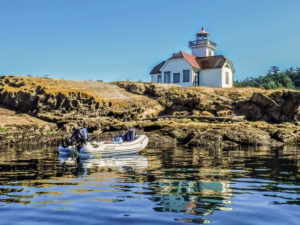 Ndenge Zina za Kuboresha Mashua Ndogo na Vifaa kwa Mashua za Abiria kama vile AB Navigo na Tohatsu Outboards">

Dinghy deployment aboard a Monk 36 such as Limerick can be achieved in under one minute using a hydraulic lift paired with an outboard swing bracket, enabling rapid launches, quick tows in engine-failure scenarios, and safe retrieval in variable tidal conditions.
Deploying and Stowing: speed and safety at a glance
Fast, reliable launching is a cornerstone of cruiser logistics. A hydraulic lift on the transom plus a swing bracket for the outboard keeps the engine upright while stowed and rotates it into position as the dinghy is lowered. This arrangement reduces deployment time dramatically compared with hoisting to the foredeck or towing on a painter, and it minimizes the risk of swamping or fouling the propeller.
Common alternatives and trade-offs
- Davits: Popular on sailboats; ensure davits lift the tender sufficiently above the waterline to avoid following-seas swamping.
- Bow stowage: Useful for ocean passages; higher security in rough seas but increases handling time.
- Towing: Simple for short flat-water transits but carries risk of capsize, loss, and propeller entanglement.
Landing onshore: anchor systems and beach tactics
Beaches with loose sand, pebbles, or steep tidal shelves often make wheel-based beaching impractical for heavy outboard-equipped tenders. Using a long floating line combined with an elastic anchor assist such as Anchor Buddy or a staged anchoring technique allows the dinghy to be positioned off shore and hauled back onshore at varying tides without repeatedly dragging the craft across abrasive terrain.
Practical steps for shore retrieval
- Carry a 100‑foot floating line and deploy the floating line to shore first.
- Row the dinghy back to the full length of the line before deploying the anchor with the bungee system.
- Adjust spacing based on expected tidal rise or fall to avoid being stranded high and dry.
Navigating, fishing, and electronics
Portable multi-function units now rival hardwired consoles for small craft. A combination sonar/chart unit such as the Raymarine Dragonfly 5PRO provides deep depth capability (down to 600 feet), Wi‑Fi depth transmission, and compatibility with Navionics charting on tablets and phones—handy for scouting anchorages, locating crustacean beds, or transferring setup to a kayak for extended fishing trips.
Electronics checklist
- Portable sonar/chartplotter (Dragonfly 5PRO or similar)
- Small lithium battery and charging plan
- Waterproof VHF radio (Icom floating model recommended)
- Mobile device with Navionics app and Wi‑Fi pairing
Essential onboard kit: what every dinghy should carry
The following table summarizes compact safety and utility items suited to tender operations and short excursions ashore.
| Ihe | Purpose | Recommendation |
|---|---|---|
| Throwable cushion | USCG Type IV, dual use as seat | Vinyl-covered Type IV (doesn’t absorb moisture) |
| Life jackets | Personal flotation for each person | Manual inflatable PFDs for space savings |
| Dinghy ladder | Ease re-boarding from water | Three-step Scandia Marine ladder |
| Communications | Contact other boats or emergency services | Waterproof Icom VHF + cell phone |
| Instant patch kit | Field repairs for Hypalon or PVC | Type A for Hypalon, Type B for PVC |
Small but critical items
- Spare spark plugs, fuel filters, outboard key
- Oar tethers (poly-braid) and cable lock (Yakima core)
- Pọ́m̀pù agbára gíga (K-Pọ́m̀pù) pẹ̀lú ohùn ìwọ̀n
- Drybags, Nalgene ahoboa ho nneɛma a asɛbɛ ne ahwehwɛnam ne mmoa a edi kan wom
- Ọ̀pá ìkéde pẹ̀lú orúkọ ọkọ̀ ojú omi àti nọ́mbà tẹlifóònù
Nnyocha ndụmọdụ na ncheta nchekwa
ꯑꯣꯄꯔꯦꯇꯔꯗꯥ ꯍꯥꯠꯄꯒꯤ ꯁ꯭ꯕꯤꯆ ꯑꯗꯨ ꯄꯥꯛ-ꯆꯥꯎꯅꯥ ꯉꯥꯛꯇꯨꯅꯥ ꯊꯝꯃꯨ; ꯅꯣꯡꯃꯥꯏꯖꯤꯅꯕꯥ ꯏꯁꯤꯡꯗꯥ ꯅꯠꯇꯔꯒꯥ ꯇꯣꯏꯅꯥ ꯂꯦꯞꯇꯨꯅꯥ ꯆꯠꯄꯗꯥ ꯌꯦꯡꯗꯅꯥ ꯂꯩꯌꯨ; ꯑꯃꯁꯨꯡ ꯃꯇꯝ ꯈꯨꯗꯤꯡꯗꯥ ꯑꯦꯅꯀꯔ ꯑꯃꯁꯨꯡ ꯔꯤꯇ꯭ꯔꯤꯚꯦꯜ ꯇꯦꯛꯅꯤꯛꯁꯤꯡ ꯇꯥꯏꯗꯜ ꯁ꯭ꯇꯦꯠ ꯈꯨꯗꯤꯡꯃꯛꯇꯥ ꯆꯥꯡꯌꯦꯡ ꯇꯧꯕꯤꯌꯨ, ꯃꯁꯤꯅꯥ ꯃꯇꯝ ꯈꯨꯗꯤꯡꯗꯥ ꯍꯥꯏꯔꯤꯕꯥ ꯃꯊꯧ ꯇꯥꯕꯥ ꯃꯇꯃꯗꯥ ꯊꯧꯅꯥ ꯐꯪꯅꯕꯥ ꯇꯧꯕꯤꯌꯨ꯫.
Nnkan ahorow a ɛho hia: Ɔkwan a wofa so tu hyɛn ketewa bi yɛ akwantu nhyehyɛe, ahobanbɔ, ne tumi a wode bɛhwehwɛ hyɛn gyinabea a ɛwɔ akyirikyiri ne mpoano a ɛbɛn hɔ a wode bɛkɔ akɔhwɛ mmeae, akɔhyɛn mu, anaa wobeyi mpataa no yɛ yiye. Ɔhwehwɛmu a ɛkɔ akyiri mpo ne nsɛm a ɛyɛ nokware a wɔaka no rentumi nsi osuahu ankasa ananmu. Wɔ GetExperience so no, wotua wo osuahu fi wɔn a wɔde ma a wɔapene wɔn so wɔ bo a ɛfata so. Eyi ma wo tumi sɛ wobesi gyinae a nyansa wom sen biara a sikasɛm a ɛho nhia anaa abasamtu biara nni mu. Nya mfaso fi intanɛt so sika a wotua a ahobammɔ wom a voucher confirmation ka ho na nya hokwan sɛ wobɛyɛ adesrɛde ama akwantu ne akwammɔne bi a wɔahyɛ da ayɛ a ɛne wo pɛ hyia. Tua wo ka seesei GetExperience.com
Gbogbonnise, awọn idoko-owo dede ni ohun elo imuṣiṣẹ, awọn eto ìdákọ̀rí bii Anchor Buddy pẹlu laini lilefoofo gigun, awọn ẹrọ itanna to ṣee gbe bii Dragonfly 5PRO, ati ohun elo aabo iwapọ ṣugbọn pipe yi ọkọ̀ kekere pada si “ọkọ ayọkẹlẹ” irin-ajo ti o gbẹkẹle. Awọn igbesoke wọnyi gbooro awọn iriri irin-ajo lati rin irin-ajo eti okun lasan si awọn iṣẹ ṣiṣe ìrìn bii ipeja, safaris ẹranko igbẹ ti o ni ibaramu ayika, ati paapaa awọn irin-ajo musiọmu ti a ṣeto pẹlu awọn itọsọna laaye nigbati wọn ba wa ni eti okun. Boya o n gbero awọn ayẹyẹ ọkọ oju-omi kekere, awọn irin-ajo safari, awọn irin-ajo gigun omi ìrìn fun awọn olubere, tabi awọn iriri irin-ajo ìrìn igbadun, didara ọkọ̀ kekere daradara mu awọn aṣayan ati aabo pọ si fun gbogbo irin-ajo.