


 Norsk nynorsk
  English (UK)
  Русский
  বাংলা
বাংলা  العربية
  日本語
日本語  한국어
한국어  Magyar
  Türkçe
  עִבְרִית
  Español
  Čeština
  Svenska
  Português
  Ελληνικά
  Suomi
Suomi  Nederlands
  Română
  Italiano
  Français
  Polski
  Українська
  Deutsch
  简体中文
简体中文  Slovenčina
  Српски језик
  اردو
اردو  Azərbaycan dili
  O‘zbekcha
  አማርኛ
አማርኛ 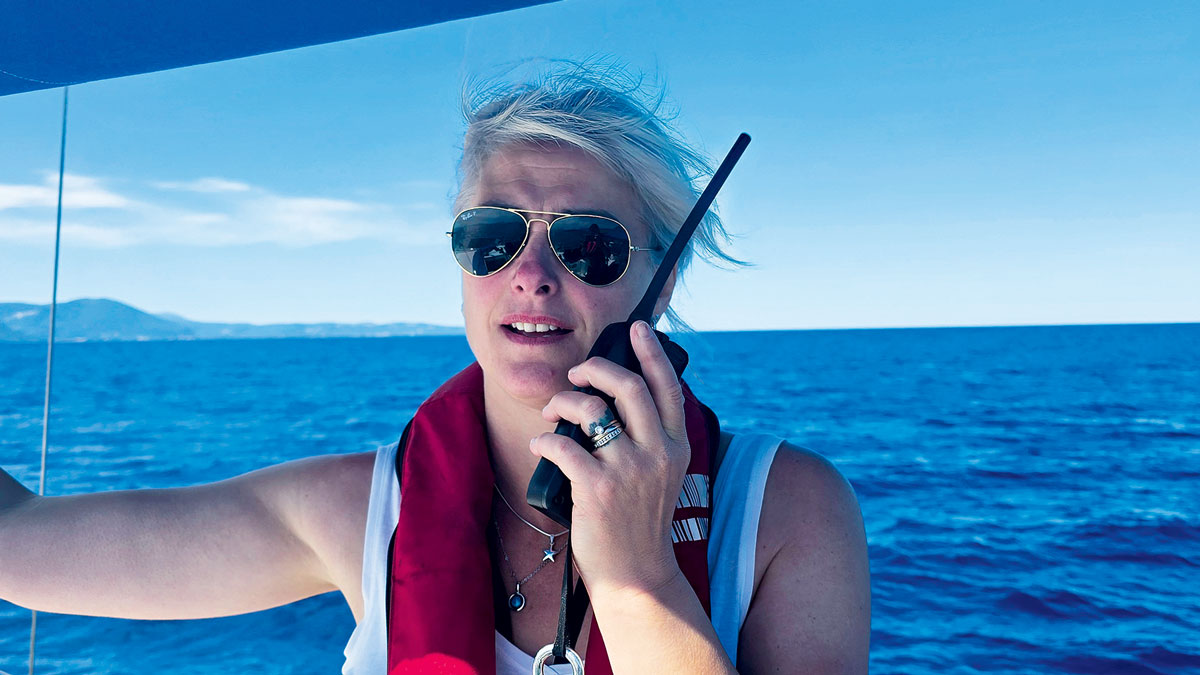 Practical collision-avoidance tips for cruisers from real offshore encounters">

ColRegs in practice: decisive action over textbook answers
N'okpuru International Regulations for Preventing Collisions at Sea (ColRegs), a vessel must take early and substantial action to avoid collision; for cruisers this often means choosing the safest, most pragmatic option rather than insisting on technical “right of way.” In heavy traffic or reduced manoeuvrability, use VHF and AIS proactively, keep a proper lookout, and be prepared to alter course well before the closest point of approach (CPA) becomes critical.
Key rules at a glance
Below are the essential, practical rules that help cruisers reduce risk quickly when a situation develops at sea:
- Communicate early: hail on VHF to confirm position and intentions.
- Größe matters: large ships have limited turning ability and greater stopping distance.
- Stand-on does not mean stand still: the stand-on vessel must take action if a risk remains.
- Lights can mislead: deck lights and searchlights may obscure navigation lights.
- AIS is helpful but fallible: don’t rely on it as the sole source of truth.
Mme nsɛm tebea a etu mpɔn
Real incidents taught these lessons time and again. Mid-ocean, a cruiser under reduced sail spotted a 65,000-ton ship on AIS closing at 18 knots. A simple VHF call at five miles — “Are you aware of our position?” — led to a course alteration and a comfortable CPA. In Cadiz Bay, small fishing boats acting erratically clustered ahead of a large cruise liner; calling the liner to confirm intentions revealed it intended to thread a safe channel, and the cruiser turned away to avoid becoming trapped between multiple hazards.
Stand-on versus give-way: how cruisers should think
The label stand-on can lull a skipper into complacency. In Croatia, a procession of motor-sailing yachts assumed they could maintain course while others gave way; when they didn’t, the cruising skipper had to take evasive action. Closer to shore or in light winds, practical seamanship — easing sails, altering course early — beats rigid rule-enforcement.
Lights, AIS and the problem of perception
Lights are a constant source of confusion. Deep-sea fishing vessels may present a wall of deck lights, making it impossible to identify their navigation lights. Cargo ships frequently have deck lighting that masks their heading. At night, distant lights can be celestial: a bright star or the moon mistaken for a vessel if AIS shows no contact. In one case south of Madeira, escalating visual signals — navigation lights, steaming light, then a torch flashed at the other vessel’s helm — were needed before the fishing boat altered course with only 100 yards to spare.
Practical checklist for encountering other vessels
| Encounter type | Immediate action | Communication |
|---|---|---|
| Large cargo or cruise ship | Alter course early to increase CPA; avoid crossing ahead | Hail on VHF, ask intentions |
| Unlit fishing boat | Make yourself highly visible; avoid approaching lights | Attempt VHF; flash torch if needed |
| Congregation of small boats | Give wide berth; don’t squeeze through | Use AIS and VHF to clarify safe passage |
Simple rules cruisers can adopt immediately
From years of coastal and ocean cruising, a few compact personal rules stand out as the most practical ways to reduce collision risk:
- Communicate as soon as you perceive a hazard. A short radio call often resolves intent and prevents escalation.
- Mba. not sail towards an ambiguous light. Change course early if uncertain.
- Lọ́ AIS and chartplotter, but verify visually and by radio. Technology complements, not replaces, lookout.
- Always aim to ease danger for both vessels. Cruisers are not racing — safety over protest.
Preparing for safer cruising — training and practical options
When planning a holiday afloat, think beyond boat hire and logistics: create a cultural and safety program that includes local navigation briefings, guided harbour entries, and seamanship refreshers. Platforms like GetExperience.com make it easy to combine practical training with local experiences, offering secure online payments with voucher confirmation, and the option to request tailored shore-side activities or additional guidance from verified providers.
These verified providers offer a balance of convenience, affordability and variety: you can secure courses, guided passages or local excursions without surprise costs. When preparing a voyage, consider enriching the trip with cultural workshops, museum tours, or local guided excursions that complement your time at sea — and remember the practical seamanship tips above to stay safe. Book now GetExperience.com
At a glance: the most important takeaways are to communicate promptly, respect the limitations of larger vessels, never rely solely on AIS or lights, and be willing to give way to avoid risk. Even the best reviews and the most honest feedback can’t replace personal experience — on GetExperience you book experiences from verified providers at reasonable prices, giving you the chance to learn, practise, and enjoy without unnecessary expense or disappointment. Book now GetExperience.com
In summary, practical ColRegs observance is less about technical victories and more about mindful seamanship: clear communication, early and safe manoeuvring, sensible use of AIS and VHF, and an unwavering focus on preventing collisions. These habits keep cruisers safer while enabling richer travel experiences, from yacht parties and cruise packages to eco-friendly wildlife safaris and museum tours with live guides. Whether you pursue adventure activities, luxury adventure travel experiences, interactive online cultural workshops, exclusive yacht charters for events, or even beginner esports coaching sessions on the side, the same principle applies — prepare, verify, and experience responsibly.