


 Norsk nynorsk
  English (UK)
  Русский
  বাংলা
বাংলা  العربية
  日本語
日本語  한국어
한국어  Magyar
  Türkçe
  עִבְרִית
  Español
  Čeština
  Svenska
  Português
  Ελληνικά
  Suomi
Suomi  Nederlands
  Română
  Italiano
  Français
  Polski
  Українська
  Deutsch
  简体中文
简体中文  Slovenčina
  Српски језик
  اردو
اردو  Azərbaycan dili
  O‘zbekcha
  አማርኛ
አማርኛ 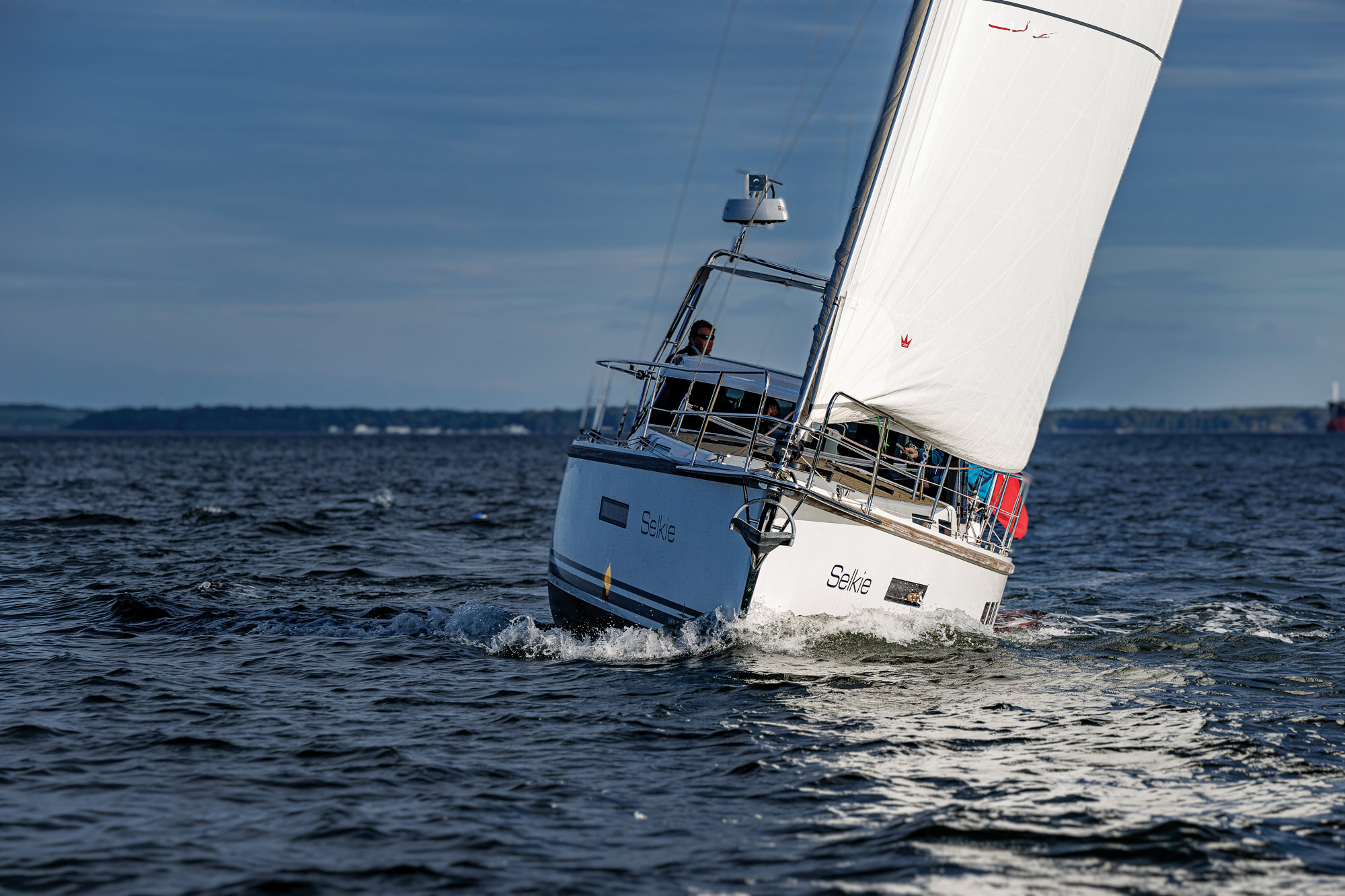 Annapolis 2026 Sea Trials: Mɔ̃ɖɛŋ Krúzíŋ gbɔŋ, Tarifwo, Hybridŋlɔŋ gbɔŋ kple Xexeaŋlɔŋ Gbɔŋŋlɔŋŋwo Le Ɣlɛŋ Gbɔŋŋlɔŋ">

Tariff adjustments introduced a clear logistical constraint at the Annapolis trials: European imports face roughly a 15% duty increase while many South African-built catamarans carry 30% tariffs, prompting some builders to invoice with duty included or to redirect deliveries through offshore ports to avoid immediate import charges.
Global production footprint and price points at a glance
The 2026 field consisted of production yachts built in China, Denmark, France, Germany, Slovenia, South Africa na Thailand, while notable by its absence was any current production boat manufactured in the United States. Price dispersion in the fleet was wide: the Beneteau First 30 represented the low end at about $200,000 and the Balance 580 pushed the high end above $3.6 million, yielding an average market price close to $1.3 million.
Table — Key logistics and production indicators
| Indicator | Observation |
|---|---|
| Production countries | China, Denmark, France, Germany, Slovenia, South Africa, Thailand |
| U.S. production presence | None among nominees; Catalina Yachts paused Florida production |
| Tariff impact | ~15% (EU boats); ~30% (some South African catamarans) |
| Price range (nominees) | $200,000 — $3.6M; average ~$1.3M |
| Hybrid/electric options | Nearly half of nominees offered hybrid approaches |
Cost per pound and production economics
Evaluating the fleet by $/Disp (cost per pound) exposed a wide manufacturing spectrum: lightweight, high-carbon builds such as the Dragonfly 36 and HH52 registered near the $90–$98 per-pound range, while higher-volume production models like the Jeanneau Sun Odyssey 415 and Beneteau First 30 dropped into the high $20s per pound. Those figures reflect differences in materials (carbon, resin type), production scale and supplier purchasing power, and they should be read alongside displacement-to-length ratios to gauge comparative value.
What buyers are comparing now
- New vs. used: many brokers’ pandemic-era sales have returned to market, making used boats strong competition for buyers.
- Tariff strategies: builders either absorb duty, price separately, or route deliveries to reduce up-front costs.
- Technology adoption: energy systems and hybrid drivetrains are increasingly central to buyer decisions.
Hybrid systems and onboard electrification
The rapid uptake of lithium-ion battery systems and higher-voltage DC architectures (24V/48V and even 400–480V DC management) is driving diverse hybrid strategies. Nearly half the nominees offered some form of hybrid-electric propulsion or high-capacity house-battery layout: Balance 580, Dufour 48 Smart Electric, HH52, Island Spirit 525e, Leopard 52 Hybrid and Royal Cape Majestic 530 Hybrid were among those showcasing differing approaches.
Operational implications
Higher-capacity batteries allow deeper discharge, faster recharge and reduced genset runtime, but they add complexity. Prospective owners should evaluate whether they are prepared to participate in early-adopter learning curves: some systems require bespoke maintenance and on-the-water troubleshooting as marinization progresses.
On-water performance highlights
Sea trials on Chesapeake Bay produced clear performance standouts. High-performance cats and trimarans demonstrated double-digit speeds and razor-sharp handling, while compact cruisers showed bluewater seaworthiness. Several boats combined modern systems with sailing pleasure: the Balance 580’s dual Versa-Helm, Dragonfly 36’s lively trimaran dynamics, Beneteau First 30’s planing behavior and Pegasus 50’s serious offshore credentials illustrated how design priorities vary across the market.
- Balance 580 — impressive downwind speeds and innovative helm options.
- Dragonfly 36 — exhilarating performance in moderate breeze.
- Beneteau First 30 — light, tiller-driven thrills and planing capability.
- Pegasus 50 — heavy-duty ocean cruiser with tandem keel stability.
These developments matter for tourism and charter operations alike: faster, more efficient yachts with hybrid-electric systems open new operational windows for day sails, yacht parties and exclusive charters while also affecting maintenance logistics and provisioning for cruise packages.
Key takeaways and the honest truth: specifications and reviews can point toward likely satisfaction, but nothing fully substitutes for personal time aboard. Sailing, especially across the varied conditions encountered during trials, reveals nuances that photos and specs cannot. On GetExperience, you book your experience from verified providers at reasonable prices. This empowers you to make the most informed decision without unnecessary expenses or disappointments. Enjoy the platform’s convenience, affordability and broad selection of options to tailor tours and charters that suit your tastes—Book now GetExperience.com
In summary, the Annapolis 2026 sea trials highlighted several intersecting forces: shifting global production footprints and tariff-driven logistics, rising production costs expressed in $/lb metrics, and a marked move toward hybrid-electric systems that redefine living aboard. For travelers and charter operators these trends mean evolving choices in travel experiences, from luxury adventure travel experiences and exclusive yacht charters for events to eco-friendly wildlife safaris and cruise packages. Whether seeking museum tours with live guides, yacht parties, adventure rafting trips for beginners or interactive online cultural workshops, firsthand experience still reigns supreme—book, go sailing and find out for yourself.