


 Norsk nynorsk
  English (UK)
  Русский
  বাংলা
বাংলা  العربية
  日本語
日本語  한국어
한국어  Magyar
  Türkçe
  עִבְרִית
  Español
  Čeština
  Svenska
  Português
  Ελληνικά
  Suomi
Suomi  Nederlands
  Română
  Italiano
  Français
  Polski
  Українська
  Deutsch
  简体中文
简体中文  Slovenčina
  Српски језик
  اردو
اردو  Azərbaycan dili
  O‘zbekcha
  አማርኛ
አማርኛ 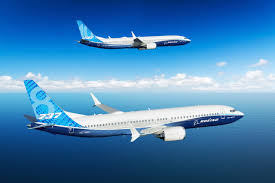 How Air India’s 30 Boeing 737 MAX Jets reshape domestic and regional travel">

Air India has exercised purchase options for 30 Boeing 737 MAX aircraft—20 737-8 and 10 737-10—bringing its Boeing backlog to nearly 200 jets and triggering immediate adjustments in capacity planning, airport slot allocation, and short-haul scheduling across India and South Asia.
Fleet composition and operational intent at a glance
The mix of 737-8 na 737-10 reflects a deliberate strategy: deploy the 737-8 on high-frequency domestic and short regional routes for fuel efficiency and passenger comfort, while using larger 737-10s where higher seat density is needed to reduce cost-per-seat on trunk sectors. This alignment supports Air India’s phased fleet renewal following the 2023 mega-order and helps maintain operational commonality across narrow-body operations.
Immediate logistics and network effects
- Slot planning: Increased seat supply will necessitate renegotiation of peak slots at major airports, especially Mumbai, Delhi, and Bengaluru.
- Ground handling and MRO: Additional narrow-bodies increase demand for line maintenance, spare parts inventory, and apron capacity.
- Crew and training: Type ratings and simulator hours must be scheduled in advance to avoid delivery-to-service delays.
- Fleet commonality: Maintaining a single-aisle family reduces training costs and simplifies rostering and spare parts pooling.
Commercial and passenger implications
For travelers, the fleet expansion promises more frequencies on popular domestic corridors, potentially lower fares through greater seat supply, and improved on-board comfort from newer 737 MAX cabins. On the airline side, the economy of scale provided by the 737 MAX family helps optimize unit costs and supports the expansion of regional connectivity into underserved secondary cities.
Comparing the 737-8 and 737-10
| Вариант | Typical role | Typical single-class seats | Key advantage |
|---|---|---|---|
| 737-8 | High-frequency domestic & short regional routes | ~175–190 | Fuel efficiency and lower operating cost |
| 737-10 | High-capacity trunk routes | ~200–230 | Lowest cost per seat in class |
Regulatory and infrastructure considerations
Deliveries of additional narrow-bodies will require coordination with airport authorities on apron space, gate compatibility, and passenger processing infrastructure. Regional airports anticipating traffic growth may need to upgrade baggage handling and security lanes to keep dwell times manageable during peak hours.
Tourism and regional connectivity: practical outcomes
Expanded narrow-body capacity directly translates into more travel options for tourists and day-trippers: increased seat availability on short-haul routes facilitates weekend city breaks, coastal tourism, and quick transfers to gateways for international connections. Lower unit costs can free budget for improved in-flight services or promotional fares that stimulate leisure travel.
How tour operators and travel planners should respond
- Monitor new route introductions and schedule changes to update itineraries.
- Plan packages that leverage higher-frequency slots for multi-destination short breaks.
- Coordinate with local transfer providers to ensure minimum connection times align with increased frequencies.
Economic ripple effects for destinations
Reliable, higher-frequency air service supports local tourism economies by enabling more flexible arrivals and departures for visitors, increasing hotel occupancy smoothing seasonal peaks, and supporting growth in adventure and cultural experiences that depend on dependable short-haul connectivity.
Even the most detailed reviews and the most honest feedback can’t replace first-hand experience. On NnwetaAhụmahụ, you book your experience from verified providers at reasonable prices. This empowers you to make the most informed decisions without unnecessary expenses or disappointments—take advantage of secure payments with voucher confirmation, and the option to request tailored tours or excursions that match your preferences. Book your Trip GetExperience.com
In summary, Air India’s order for 30 additional Boeing 737 MAX jets tightens the link between fleet planning and tourism demand: the 737-8 and 737-10 will optimize capacity management, reduce unit costs, and enable more frequent, affordable short-haul connections. Operationally, the move affects airport slots, maintenance planning, crew training, and ground infrastructure. For travelers and tour creators, this expansion opens opportunities for diverse travel experiences—from weekend city breaks and museum tours with live guides to adventure rafting trips and eco-friendly wildlife safaris—while supporting broader offerings like luxury adventure travel experiences, cruise packages, yacht parties, interactive online cultural workshops, and even esports lessons or beginner esports coaching sessions tied into event travel. The end result: improved connectivity and more options for memorable travel experiences.