


 Norsk nynorsk
  English (UK)
  Русский
  বাংলা
বাংলা  العربية
  日本語
日本語  한국어
한국어  Magyar
  Türkçe
  עִבְרִית
  Español
  Čeština
  Svenska
  Português
  Ελληνικά
  Suomi
Suomi  Nederlands
  Română
  Italiano
  Français
  Polski
  Українська
  Deutsch
  简体中文
简体中文  Slovenčina
  Српски језик
  اردو
اردو  Azərbaycan dili
  O‘zbekcha
  አማርኛ
አማርኛ 
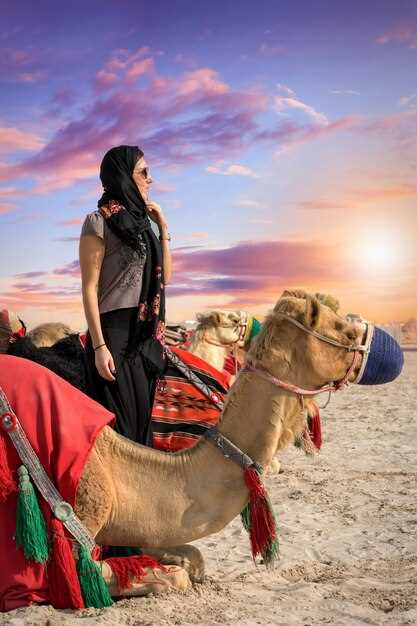
As you plan your next adventure, consider the vibrant and diverse landscapes of Morocco. This captivating country, divided between bustling cities and tranquil deserts, offers everyone the chance to uncover its rich history and unparalleled beauty. From the architectural splendor of the Koutoubia Mosque to the salt flats that create mesmerizing vistas, Morocco is a destination that promises memorable moments for every traveler.
In this comprehensive guide, we will delve into what makes Morocco a must-visit in 2026. You’ll discover tips for navigating the transportation system, including taxis, buses, and customized tours that can greatly enhance your experience. We’ll also highlight the delectable dishes that define Moroccan cuisine, encouraging you to explore small eateries and local markets to truly savor the flavors of the region.
For those eager to explore nature, be prepared to embark on treks through the stunning Atlas Mountains, where you can witness breathtaking views and perhaps even catch a glimpse of the famous Telouet Kasbah. Additionally, we’ll touch on the important details around health and safety, including required vaccinations, so you can enjoy your journey with peace of mind.
Keep in mind the importance of planning your itinerary around the annual precipitation patterns, which can affect your travel plans. Whether you prefer relaxed sightseeing in the vibrant streets of Fez or adventurous hikes with the imposing Hassan II Mosque as your backdrop, Morocco consistently delivers unforgettable experiences. Join us as we lay out all the necessary components for an extraordinary trip, ensuring that your time in Morocco is nothing short of spectacular.
Vaccinations for Traveling to Morocco
When planning your trip to Morocco, especially around the busy months of October through winter, it’s essential to consider your vaccination needs. The country is known for its diversity, offering everything from the vibrant souks of Marrakech to the scenic beauty of the Atlas Mountains and the coastal charm of Essaouira. Before your departure, make sure to consult your healthcare provider for official advice on required and recommended vaccinations.
Travelers should at least ensure that they are up to date with routine vaccines, including measles, mumps, rubella (MMR), diphtheria, tetanus, and pertussis, as well as polio. If you plan to enjoy the country’s landscapes or the royal cities like Tangier and Meknes, consider vaccines for hepatitis A and B, typhoid, and rabies, particularly for those seeking guided adventures off the beaten path.
For adventure enthusiasts and cultural seekers, remember that Morocco’s territories hold a wealth of experiences. The preserved beauty of traditional houses and the delectable cuisine in local cafes can be savored without concern when proper health measures are in place. Additionally, there may be a need for malaria prophylaxis for specific areas, particularly if you intend to explore the more rural desert regions.
In creating a travel itinerary, leave space for both planned activities and spontaneous moments. Whether you’re reserving a spot on a steam train through the mountains or indulging in a dinner featuring classic Moroccan flavors, being healthy and well-prepared will contribute to a more enjoyable holiday. This level of preparation does not only protect your health but also enhances your experience as you explore the exciting, diverse culture of Morocco.
Recommended Vaccines for Travelers
Traveling to Morocco, known for its vibrant culture and diverse landscapes, requires careful planning, especially regarding health precautions. To ensure a safe and enjoyable journey, it is essential to consider the appropriate vaccinations before departing. Here is a selection of recommended vaccines for travelers visiting this magnificent destination.
- Hepatitis A: This vaccine is strongly advised, as it protects against food and waterborne diseases that can affect travelers enjoying the local culinary delights.
- Typhoid: Particularly important for those heading to rural areas or planning to try street food, this vaccine is essential for overall health protection.
- Rabies: If your journey includes interactions with local wildlife or excursions into forests, rabies vaccination is recommended. This vaccine takes into account the risks present in certain parts of the country.
- Tetanus/Diphtheria/Pertussis: Keeping these vaccinations up to date is important, especially during outdoor activities and travels across the plains.
- Meningitis: While this vaccine is not universally required, those traveling during large gatherings or special events should consider it for added safety.
Before your departure, make sure to consult with a healthcare provider to discuss your specific travel plans and receive tailored advice. Documentation of your vaccination history should be kept inside your travel documents as some locales may require proof of vaccination for entry.
Additionally, your healthcare provider may recommend further vaccines based on your overall health, planned activities, and the length of your holiday. Early planning, with attention to these health guidelines, can make your trip to Morocco a perfect journey through its oases, beaches, and vibrant arts scene.
With the right preparations made, you can focus on exploring Tangier, experiencing watersports, and enjoying the unique combination of Berber and Arabic cultures while ensuring your health is secured.
Timing and Scheduling of Vaccinations
When planning your journey to Morocco in 2026, proper timing and scheduling of vaccinations is an important consideration for a smooth and enjoyable trip. The country, which boasts an impressive mix of urban and natural splendor, requires visitors to ensure they are adequately protected against various diseases that may exist in the region.
Before flying to Morocco, it is crucial to have all required vaccinations. These may include those for hepatitis A, hepatitis B, typhoid, and in some cases, rabies, especially for travelers who seek to explore the more rural and authentic areas like Ouarzazate and the pre-Saharan regions. Scheduling these vaccinations should ideally be done at least a month in advance, allowing for any necessary booster shots to take effect and for the body to build immunity.
The best time for vaccinations is during the spring or early summer, aligning your timing with your holiday plans. This gives you almost enough time to recover from any side effects and helps to avoid the rush as travel dates approach. Be sure to secure vaccinations from a credible health professional who can provide a customized plan tailored to your itinerary, whether you plan to wander through the bustling markets of Tangier, hike in the mountain regions, or explore the historic architecture of Essaouira.
It is also wise to check the local guidelines as some areas may have health advisories that vary. Keeping an eye on potential health risks helps prevent disappointments during your travel. Vaccination days should be scheduled at a health facility that provides smooth services and is equipped to handle traveler needs.
In Morocco, exchanging foreign currency like the dirham may involve scams, so keeping your vaccination cards on hand not only serves as proof of health but also adds peace of mind. If you experience any unusual symptoms after your vaccinations, consult local medical services right away to ensure safety during your exploration of this magical place, filled with unique treasures, lamps, and carpets.
Overall, being proactive about your health by organizing necessary vaccinations will enhance your Moroccan experience and allow you to dive into the secrets of this wonderful country without any concerns. A little preparation goes a long way in truly enjoying what Morocco has to offer.
Specific Health Risks in Morocco
Traveling to Morocco, particularly regions like Marrakech and the staggering mountains of the Atlas, offers an intimate glimpse into a rich culture and diverse landscapes. However, tourists must be aware of specific health risks that may arise during their trips. Understanding these needs can ensure a fulfilling experience amidst the architectural wonders and flavourful cuisine.
One of the main health concerns arises from the drinking water quality in certain areas. Tap water in Morocco is not always safe for foreigners, as it may not meet the health standards that visitors are accustomed to. Tourists are advised to consume only bottled water to avoid gastrointestinal issues, which tend to be common among travelers.
Another point of caution pertains to the sun exposure, especially when skiing in the mountains or relaxing on the sunny beaches. The strong sun can lead to dehydration and heat-related illnesses. Tourists should dress appropriately, wear sunscreen, and stay hydrated throughout their excursions.
In rural regions, encounters with wild animals might pose risks such as rabies. It is advisable to delve into the local language and customs to understand areas where these risks are higher. Some of these animals might wander into cities, necessitating a cautious approach when interacting with local wildlife.
Additionally, tourists should be aware of the potential for allergies related to the unique flora found in various regions across Morocco. These could affect individuals with respiratory conditions, particularly in areas where nature is vivid and rich.
Healthcare accessibility can vary significantly between cities and rural communities. While major cities like Marrakech have modern medical facilities, more remote areas may present difficulties in accessing medical care. It is wise to carry a valid travel insurance card and have basic medication available for minor ailments.
Moreover, when engaging in activities such as golfing in the western regions or participating in nightly activities, tourists should remain cautious of potential accidents. Careful attention to etiquette and surroundings will help ensure a safe experience.
| Health Risks | Precautions |
|---|---|
| Water Quality | Drink only bottled water |
| Sun Exposure | Use sunscreen and stay hydrated |
| Wild Animals | Avoid contact and understand local customs |
| Allergic Reactions | Be aware of local flora |
| Healthcare Accessibility | Have travel insurance; carry basic medication |
In conclusion, understanding the specific health risks associated with travel in Morocco is essential for ensuring safe and enjoyable holidays. By taking necessary precautions and being mindful of the local conditions, tourists can turn their trips into memorable adventures while exploring the country’s rich architectural and natural heritage.
Travel Insurance and Vaccination Coverage
When planning your journeys to Morocco, understanding travel insurance and vaccination coverage becomes integral to ensuring a safe and enjoyable experience. Being a vast country with bustling cities like Tangier and serene oases, Morocco presents travelers with significant adventures, from exploring the majestic kasbahs to engaging in watersports like kayaking and windsurfing.
Travel insurance is essential for covering unexpected events, whether it’s losing your luggage in the markets or needing medical assistance while golfing in northern regions. Note that medical facilities vary in quality across different areas. The late decision to purchase insurance may leave you unprepared for something unforeseen, so make this a priority in your travel plans.
Vaccination coverage should not be overlooked. While Morocco is relatively safe for travelers, certain shots are recommended to avoid diseases. Travelers are advised to consult a healthcare provider several months before departure, particularly in January when the cooler climate attracts more visitors. Being proactive about vaccinations allows you to fully enjoy the traditional customs and light-hearted adventures awaiting you.
Lastly, remember that the word “adventure” takes on a new meaning in Morocco. From guided tours to explore the stunning scenery of Chefchaouen to experiencing local traditions in bustling markets, every moment can become a treasured memory. Don’t let health concerns overshadow your plans; with proper precautions, you can witness the splendor of this remarkable country without worry.
Local Health Facilities and Support
When traveling to Morocco, knowing the location of local health facilities is essential for ensuring a safe and enjoyable trip. The country boasts a range of health services that cater to both tourists and locals alike. In major cities like Marrakech, Casablanca, and Essaouira, you will find excellent hospitals and clinics that are equipped to handle various medical situations. These facilities often reflect the rich history of the nation, offering a blend of traditional and modern healthcare.
If you plan to delve into the wonders of Morocco’s diverse landscapes, such as the stunning dunes or the famous kasbahs, ensure that your health is prioritized. It is advisable to apply for vaccinations early in your travel preparation, as some regions may have specific health regulations. This is particularly important if you are planning adventures that involve golfing or exploring remote areas where facilities may be less prevalent.
The cultural hospitality of the Moroccan people is matched by their commitment to providing appropriate health support. Many cities have branches of international health organizations and embassies that can assist travelers, making it easier to access the care you may need. Understanding the popular treatments available can greatly enhance the intimate experience you have with local traditions.
During various seasons, the amount of tourists may vary, impacting the availability of services. It’s wise to stay informed about health trends and common ailments experienced by ngái travelers, as these can change based on the time of year. By taking these preparations, you can avoid being lost in a foreign healthcare system.
In addition to the official health facilities, Morocco offers alternative options, such as traditional herbal medicine practitioners, who provide another dimension to health support. These services are particularly popular among those looking to discover unique methods of healing that have been karahia over centuries.
Overall, Morocco has a wealth of health facilities designed to cater to the needs of its visitors. By spending time understanding the healthcare landscape, you can fully enjoy the magnificent scenery and adventures that await you.