


 Norsk nynorsk
  English (UK)
  Русский
  বাংলা
বাংলা  العربية
  日本語
日本語  한국어
한국어  Magyar
  Türkçe
  עִבְרִית
  Español
  Čeština
  Svenska
  Português
  Ελληνικά
  Suomi
Suomi  Nederlands
  Română
  Italiano
  Français
  Polski
  Українська
  Deutsch
  简体中文
简体中文  Slovenčina
  Српски језик
  اردو
اردو  Azərbaycan dili
  O‘zbekcha
  አማርኛ
አማርኛ 

Download offline maps for the cities youll visit before you travel – it keeps you connected when data is scarce and you stay focused on the highlights.
Also group your saved spots by types like restaurants, museums, and parks, then share those saved lists with friends to keep plans aligned. Use the Favorites tab to organize trips a few days ahead and see them as a single view in your account. It also helps when you need quick adjustments on the go.
Keep your account synced across devices: log in, enable map syncs, and verify time zones to avoid late arrivals. This approach lets you simply switch from phone to tablet without losing routes or the next steps between sessions.
When you plan an itinerary, consider three parts: where to start, where to end, and a fallback for rainy days. Use the What’s around feature to see highlights, then compare options across cities and make choices that fit your pace. If you’re trying something new, send to friends so everyone on the trip can approve, adjust, and keep the plan in sync.
Different map types offer different details: Transit shows nearby buses and subways, Satellite reveals loved neighborhoods, and Terrain helps outdoor days. Save routes that friends suggested and keep them in your account. If you’re ⵉᓐᖏ new neighborhoods, switch to offline mode to avoid data drops.
Practical shortcuts and hidden tools for travelers
Download offline maps for your locale before you travel. This keeps you informed when data is limited and acts as your navigator during long treks. Give the map a simple name so you can find it quickly, and use the explainer to learn where to pause and review the route.
Toggle overlays to view transit lines and rail stops, then switch to a picturesque route when you want to catch scene-worthy vistas. Tap popular spots and drop pins to build a personal schedule for every day, like a quick itinerary you can reuse, also helpful when you’re short on time. This approach often helps you stay on track and adapt to shifts in pace across metropolises.
On multi-locale trips, begin with a route that starts in a locale and continues through several destinations. Save separate maps for each locale, so you can switch quickly if a path feels off. Keep the device charged to stay informed and share routes with a friend if a backup route is needed.
Use the pause feature to compare two routes in real time, especially near transfers and junctions. A quick glance shows overlays for transit options and break spots. With this approach you save time and discover exciting findings in any locale.
Download offline maps and pre-save routes for data-free navigation
Save offline maps for your main destination and preload core routes to navigate without data; this keeps you in control from the moment you land.
- Types and coverage: Download city-level maps for your base location and expand to regional or country packs as your plan grows. City maps typically run 120–300 MB, regional packs 1–5 GB, and country packs larger. Those sizes vary by density and features; pick smaller areas to keep maps covered without overloading your device. Changes in coverage come with updates, so if a area is updated, you may want to re-download the newer version.
- Download steps: Open Google Maps, search the area, click your profile icon, choose Offline maps, click Select your own map, zoom to the needed area, and click Download. Repeat for other zones you’ll cross so you have shorter, targeted maps for data-free days.
- Rename and customize: In Offline maps, rename each area (for example, “Paris Center” or “Italy North”) and customize labels to keep things clear across trips. Customized maps help you pick the right one quickly when someone asks for directions or when you’re switching devices.
- Pre-saving routes: Create core routes by adding stops (hotel, airport, must-see sights) and Save or label them. You can rename these routes and share the list with friends so they know where to go. If someone wanted the same path, you can duplicate and adjust it for their needs.
- Legend, features, and advanced options: Use the legend to interpret symbols for transit lines, parks, and airports; toggle layers to balance detail with performance. Advanced options let you adjust tile density and offline data usage, giving you a cleaner look while staying functional.
- Storage and management: When space is tight, choose a single city map plus a smaller regional pack rather than several large files. You can delete unused maps later to reclaim space, and if changes come, re-download the updated version used by your travel plans.
- Notes on accuracy: Offline navigation can miss live traffic, closures, or recent changes. If you couldnt connect to the internet, offline caches still guide you, but you might have missed a turn if you rely on outdated maps. If those updates matter, plan to check online status before big moves. Your goal is reliable routing regardless of data availability.
- Planning with friends: If you travel with friends, coordinate who downloads which areas and share a master list of saved routes. They might want to tweak stops, share feedback, or rename paths to reflect their preferences, so choose a workflow that works for everyone.
- Learn and iterate: Learn which areas you actually use most and adjust your customized maps to improve the experience across trips. If you notice gaps, add shorter, focused maps and pre-save new routes to keep the workflow smooth for those trips you might plan next.
Share live location, ETA, and trip updates with travel companions
Enable real-time location sharing with them and your group to keep travelers aligned on progress and ETA. Whether you walk city blocks, ride transit, or cruise along a river, live updates reduce back-and-forth and help plan meetups in real time.
Share exact coordinates and ETA so everyone reads the same map. If you’ve already granted permission, updates appear in the navigator and on the route card, letting you enjoy the day without guessing when you’ll arrive.
To tailor what you share, limit visibility to your desired audience: travelers get location and ETA, others see only general plans. theres no need to flood the chat–keep updates focused on what matters most.
Whether you’re a solo traveler or with a group, this setup works. Icons indicate status at a glance: green for on the way, blue for en route, red for delayed. For a quick check-in, use video to share a short status clip with the group.
Optimize battery life with sensible settings: enable low-power mode, restrict updates to critical legs, and switch off live sharing when you reach a safe stop. Since you can read updates on the map, you can adjust pace without overwhelming them.
You can start sharing now; it doesnt require complex steps. This approach aligns plans and ETA updates for more clarity without extra chatter.
While you move, planning meals and dishes keeps the experience smooth. If you post a photo of local dishes, add your location so others can join. For travelers who love precise, specific times, you’ll find ETA comparisons worth tracking to stay on schedule and keep everyone happy.
| Action | How to set | Why it helps |
|---|---|---|
| Live location sharing | Maps > Location sharing > select group | Real-time visibility reduces misreads and delays |
| ETA and trip progress | Enable ‘Share trip progress’ or manually share ETA | Keeps everyone informed of arrivals |
| Status icons and video | Use icons in the app and tap video for a quick status clip | Clear signals at a glance; enhances coordination |
| Privacy and battery control | Set duration, disable after arrival, use low-power mode | Protects privacy and extends device life |
Reduce battery drain with offline mode, dark theme, and selective layers
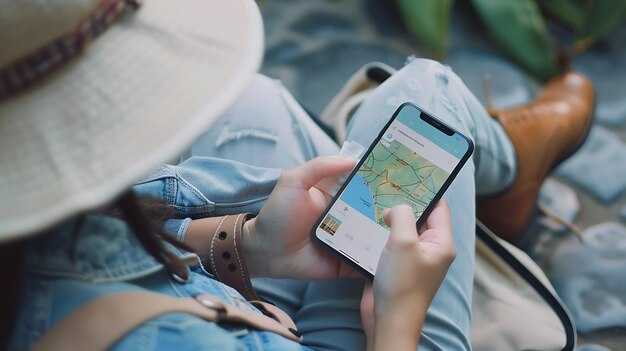
Enable offline mode for your most visited destinations. This setting gives faster navigation and reduces data syncs, so Maps works even when signal is weak, keeping your loved ones informed. Offline maps provide a little buffer that often saves power and keeps your personal routes covered. It also allows you to review routes inside the app and, when online, to send ETA updates to friends.
Customize your experience with customized layers: disable Live traffic, Transit, and 3D view; keep Directions and Nearby. This customized setup provides a lean map that loads faster and saves energy while you navigate between destinations. If you often review photos from a stop, syncs notes about what to check next and share them with friends.
Turn on dark theme to cut screen brightness. Dark looks easier on the eyes and can noticeably reduce battery drain on OLED screens.
Near banks or shops, a minimal layer setup helps you decide where to go without draining power. Some users talked about craving a clean view; this approach provides clarity and stays focused on the essentials. It feels personal, and inside the app you can adjust what you see.
তল̊ 1: মেপ খোলক, অফলাইন মেপস তাবা, আৰো নিজর জাগা বাছিরি নিজর গন্তব্যের বাদে জোন ডাউনলোড করো। তল̊ 2: সেটিং্সর ভিতরত গাঢ় থিম চালু করো। তল̊ 3: মেপ লেয়ারস: মেপ লেয়ারস তাবা আৰো লাইভ ট্রাফিক, ট্রানজিট, আরো 3D ভিউ বন্ধ করো; দিকনির্দেশ আরো কাছের জাগা চালু রাখো।.
အနှောင့်အယှက်တွေကို လက်တွေ့ကျကျ ရှောင်ရှားနိုင်ဖို့ ယာဉ်ကြောအခြေအနေ၊ အန္တရာယ်တွေနဲ့ ရွေးချယ်စရာလမ်းကြောင်းတွေကို အချိန်နဲ့တပြေးညီ ကြည့်ရှုပါ
Ọ̀gọ́ọ̀ gbígbé eérú àti ìṣọ́ra ìṣẹ̀lẹ̀ láti máa ṣiṣẹ́ kí o tó lọ láti gba àfojúsùn tí ó yé nípa àwọn ipò àti ìbẹ̀rẹ̀ tí ó dára jùlọ. Àfojúsùn rẹ ni láti dé ibi tí o ń lọ pẹ̀lú àkókò tí ó kúrú jùlọ àti àníyàn díẹ̀, ní lílo ìmúdójú-ọjú àkókò gidi tí ó ń ṣe àfihàn eérú lọ́wọ́lọ́wọ́, àwọn ìṣẹ̀lẹ̀, àti àwọn ìtìpa.
แตะการ์ดเส้นทางสำหรับแต่ละตัวเลือกที่แสดงรายการเพื่อเปรียบเทียบเวลา ระยะทาง และทางออก หากเส้นทางหลักแสดงความล่าช้า ให้เปลี่ยนไปใช้เส้นทางสำรองที่สั้นกว่าอย่างรวดเร็ว ซึ่งมีทางเลี้ยวน้อยกว่าและโอกาสที่จะหลงทางน้อยกว่า.
Otu dị iche-iche gụnyere mmelite ugboro ugboro nke akụkọ ọtụtụ mmadụ na-ewepụta na akụkọ ndị gọọmenti na-enye, gbaka nzukọ ụzọ dị iche-iche nke na-asọpụrụ mmasị gị (zere ụzọ a na-akwụ ugwo, okporo ụzọ ukwu, nagbawa ụgbọ mmiri). Ị na-ahụkarị ụzọ a pụrụ ịtụkwasị obi ka ọ na-apụta, na-enyere gị aka ịnọgide n'ụzọ na n'usoro nhazi gị.
Ọ̀jọ̀gbọ́n iṣẹ́ ṣíṣe, ṣeto ferese dide ti o fẹ ki eto naa dọgbadọgba iyara si itunu. Lo ọna abayọ ti o tọ julọ nigbati o ṣeeṣe ki o ṣe abojuto agbegbe ijabọ ni ayika awọn ibebe ti o nšiše; awọn agbegbe yẹn nigbagbogbo npa awọn idaduro ti o parẹ lẹhin ipinnu atunto.
Alafia gbogbo n̄kan di ṣẹ nigbati o ba bẹ̀ awọn ibi wò pẹlu igboya: idaduro aṣiri nitosi awon ibi gbajumọ ṣi awọn aṣayan titun silẹ, o si le ṣàwari awọn ibi ꯑꯗꯣꯝꯅꯥ ꯈꯟꯗ꯭ꯔꯤꯉꯩ꯫ ꯁꯦꯝꯈꯤꯕꯥ ꯂꯃꯆꯠꯁꯤꯡ ꯑꯗꯣꯝꯒꯤ ꯄꯥꯝꯖꯕꯁꯤꯡꯒꯤ ꯃꯇꯨꯡ ꯏꯟꯅꯥ ꯁꯦꯝꯅꯤ, ꯑꯃꯁꯨꯡ ꯑꯗꯣꯝꯅꯥ ꯂꯥꯛꯀꯗꯕꯥ ꯂꯃꯀꯣꯏꯕꯁꯤꯡꯒꯤꯗꯃꯛ ꯊꯧꯑꯣꯏꯕꯥ ꯃꯑꯣꯡꯗꯥ ꯂꯩꯕꯥ ꯈ꯭ꯋꯥꯏꯗꯒꯤ ꯐꯕꯥ ꯑꯣꯄꯁꯟ ꯑꯗꯨ ꯀ꯭ꯋꯤꯛ ꯀꯥꯔꯗ ꯑꯃꯥ ꯑꯣꯏꯅꯥ ꯁꯦꯚ ꯇꯧꯕꯤꯌꯨ꯫ ꯃꯁꯤꯅꯥ ꯑꯗꯣꯝꯅꯥ ꯑꯣꯄꯁꯟ ꯈꯨꯗꯤꯡꯃꯛꯇꯥ ꯌꯦꯡꯁꯤꯅꯒꯗꯕꯅꯤ ꯑꯃꯁꯨꯡ ꯐꯤꯚꯃꯁꯤꯡ ꯑꯍꯣꯡꯕꯥ ꯂꯥꯀꯄꯥ ꯃꯇꯨꯡ ꯏꯟꯅꯥ ꯑꯍꯣꯡꯕꯥ ꯄꯨꯛꯅꯤꯡ ꯆꯤꯡꯁꯤꯅꯒꯗꯕꯅꯤ, ꯃꯁꯤꯅꯥ ꯑꯗꯣꯝꯅꯥ ꯃꯤꯌꯥꯝ ꯌꯥꯝꯅꯥ ꯂꯩꯕꯥ ꯅꯨꯃꯤꯠꯁꯤꯡꯗꯁꯨ ꯃꯃꯥꯡꯗꯥ ꯂꯩꯔꯒꯥ ꯂꯩꯇꯨꯅꯥ ꯂꯩꯕꯥ ꯉꯝꯍꯟꯕꯤꯔꯣꯏ, ꯃꯍꯧꯁꯥꯅꯥ ꯍꯟꯊꯅꯕꯥ, ꯌꯥꯝꯅꯥ ꯊꯣꯏꯗꯣꯀꯄꯥ ꯆꯠꯄꯥ ꯑꯃꯥ ꯄꯤꯕꯥ꯫.
Ṣe agbekalẹ ati mu awọn ìrìn-àjò ọ̀nà kíkan púpọ̀ ṣiṣẹ pẹ̀lú ìtòlẹ́sẹẹsẹ ọlọ́gbọ́n
ꯑꯅꯛꯄ ꯂꯩꯐꯝꯁꯤꯡꯕꯨ ꯃꯅꯥꯛꯇ ꯄꯨꯟꯁꯤꯜꯂꯨ ꯑꯃꯁꯨꯡ ꯈ꯭ꯋꯥꯏꯗꯒꯤ ꯃꯇꯝ ꯆꯥꯎꯕ ꯑꯣꯏꯕ ꯃꯑꯣꯡꯗ ꯊꯣꯡꯗ ꯊꯣꯡꯗ ꯂꯥꯛꯂꯨ, ꯃꯗꯨꯅ ꯆꯠꯄꯒꯤ ꯃꯇꯝ ꯑꯃꯁꯨꯡ ꯊꯜ ꯌꯦꯟꯕ ꯀꯟꯕꯤꯔꯒꯅꯤ꯫ ꯊꯧꯑꯣꯡ ꯑꯁꯤꯅ ꯅꯨꯃꯤꯠꯀꯤꯗꯃꯛ ꯌꯨꯝꯕꯤ ꯐꯕ ꯑꯃ ꯁꯦꯝꯃꯤ ꯑꯃꯁꯨꯡ ꯃꯗꯨꯅ ꯃꯔꯨꯑꯣꯏꯕꯗ ꯃꯤꯠꯌꯦꯡ ꯊꯝꯕ ꯌꯥꯍꯟꯕꯤꯔꯒꯅꯤ꯫.
Ọ̀wọ̀dọ̀ kúkú bẹ́rẹ́sì nìwọ̀n pẹ̀lú ìdúró ṣinṣin ní àwọn ìdúró tókún bí àṣeyọrí ṣé pọ̀ julo, rí wípé dọgbadọgba lárin ìgbé síwájú. Gbé ìdúró tó ṣí ní àkókò ní iwájú ṣísẹ̀ntẹ̀lé kí o sì fọwọ́ sí pé ó ṣeéṣe pèlú àkókò ìrìn àjò gangan.
Google Maps gbɛjianɔŋlɔi lɛ gbɔŋ gbɛjegbɛi ni yɔɔ gbɛyaahei srɔŋŋ yɛ mli lɛ, okɛ gbɛ̀i srɔŋŋ atoto he, kɛ gbɛ́i ayɛ yɛ be ko mli yɛ hiŋmɛitswaa mli. Kɛ gbɛyaahe ko miishɛ gbɛ be ni ato ɔ gbè loo gbɛ yɛ fio, jaje srɔŋŋ bɔni afee ni okaje naagbai kɛje gbɛ. gbɛtsɔɔlɔ kɛ gbɛjɛŋmlitamɔ miiya nɔ yɛ dɛŋdadei srɔŋŋ anɔ, ehaa gbɛtsɔɔmɔi yaa nɔ jogbaŋŋ, ni eyeɔ ebuaa mɔ fɛɛ mɔ koni amɛhi gbɛ kome nɔ. bei komɛi lɛ gbɛjianɔtoo tsakeɔ yɛ gbɛjegbɛ nɔ miishɛɛi ahewɔ loo gbɔmɔtsei ahewɔ, ni gbɛ̀i srɔŋŋ ni yɔɔ lɛ yeɔ ebuaa bo koni oyaa nɔ. kɛ gbɛjianɔtoo ko esɔŋ o, shi gbɛyaahe ko ni o kɛ gbɛ̀̀i srɔŋŋ awo gbɛjianɔtoo lɛ mli ekoŋŋ.
ꯑꯍꯥꯟꯕꯗꯒꯤ ꯆꯠꯅꯕ ꯌꯥꯕ ꯊꯥꯒꯠꯅꯤꯡꯉꯥꯏ ꯑꯣꯏꯕ ꯈꯨꯠꯂꯥꯏꯁꯤꯡ:
- Ƙungiya wurare kusa da farko, sannan zaɓi jerin gwano wanda zai rage koma baya kuma ya kiyaye jimillar tuƙi ƙarƙashin iyaka mai ma'ana (misali, ƙasa da mintuna 120 na lokacin hanya don tsarin rabin yini).
- Yan yi jigami na gaba bisa ga tabbatattun lokuta, sannan la'akari da shahara ko yanayi don ci gaba da faranta ranar da daidaita ta.
- Fa mí gbọ̀n ọnà tóo máa gbà pẹ̀lú gbogbo ibi tí o ti máa dúró kóo tó kúrò, kí o lè rí àwọn ìṣòro tó lè wáyé kí o sì yí ọ̀nà padà kí wọ́n tó dé.
- Agbanye usoro nkekọta iji were ebe ndị nwere njikọ dịka otu akụkụ, na-eme ka atụmatụ ahụ doo anya ma na-adọrọ mmasị ma ndị njem nanị ha na-eme ya ma ndị otu na-eme ya.
- Nọ́ọ̀sì tẹ́lẹ̀ kí o sì yí ipa ọ̀nà padà bí ó ti yẹ; bí àgbègbè kan bá pọ̀ jù, atọ́kùn yóò dábà ipa ọ̀nà mìíràn sí ẹ̀yà tí ó rọrùn.
- Sɛ nhyehyɛeɛ sesa a, ne wo kuo no nkasa na mo nsakra gyinaesieɛ; saa ayɔnkofa kwan yi ma ɛho hwerɛ nnoɔma biara.
- Kpukpu meepu iji lee oghe oge na njem oge; nọgide na-agbanwe agbanwe ma na-edebe usoro ahụ ka ọ dị.
- พลาดสถานีใช่ไหม จัดลำดับสถานที่ที่เหลือใหม่เพื่อให้ยังคงครอบคลุมสิ่งที่จำเป็นได้โดยไม่ทำให้วันนั้นหนักเกินไป.
- Kɔŋliva gbɔŋ gbegbɔŋ doŋuŋ miŋ yɔŋ daŋ gbɔŋ nyɔŋ gbɔŋ lɛŋɛ le gbɔŋ yɔŋ gbɔŋ ŋɔŋŋaŋ gbɔŋ baa le gbɔŋ gbɔŋ toŋ.
- Google Maps ƒeatures ɖeŋu, smart sequencing gbɔŋ, eye wònɔŋ ɖoɖowɔwɔ blewu.
Ẹ̀tò tó gún régé tó ń pa agbára mọ́, tó sì ń dín ìpadàbọ̀ lẹ́nu, tó sì ń fún àwọn arìnrìn-àjò ní ìrírí tó dùn mọ́ni, tó sì jẹ́ àwọn nífẹ̀ẹ́ ni wàá ní tí o bá tẹ̀lé àwọn ìgbésẹ̀ wọ̀nyí. Ohun tó ṣe pàtàkì ni láti bẹ̀rẹ̀ pẹ̀lú ìṣọ̀kan tó dáa, lo àwọn àkójọpọ̀ tó péye, kí o sì jẹ́ kí ìtọ́sọ́nà ṣe iṣẹ́ tó pọ̀ jùlọ nígbà tí ìwọ yóò máa pọkàn pọ̀ sórí gbígbádùn àwọn àwárí. Ọ̀nà yìí ń ràn ọ́ lọ́wọ́ láti máa ṣe ìpinnu tó dájú, ó sì ń mú kí ìrírí gbogbo gbòò dùn mọ́ni sí i, ìwọ yóò sì nífẹ̀ẹ́ sí ìjáfáfá náà.