


 Norsk nynorsk
  English (UK)
  Русский
  বাংলা
বাংলা  العربية
  日本語
日本語  한국어
한국어  Magyar
  Türkçe
  עִבְרִית
  Español
  Čeština
  Svenska
  Português
  Ελληνικά
  Suomi
Suomi  Nederlands
  Română
  Italiano
  Français
  Polski
  Українська
  Deutsch
  简体中文
简体中文  Slovenčina
  Српски језик
  اردو
اردو  Azərbaycan dili
  O‘zbekcha
  አማርኛ
አማርኛ 
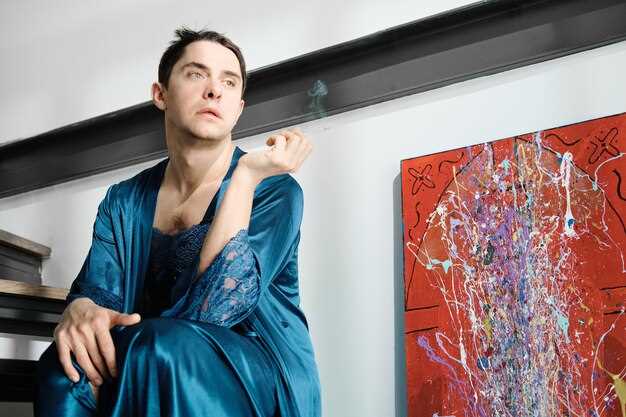
In the vibrant city of Paris, the Louis Vuitton Foundation has curated a collection that invites viewers to delve into the intricacies of Gerhard Richter’s artistry. This German painter, renowned for his unique blend of photo-based and abstract approaches, has captivated audiences for decades. His works challenge the perception of modern art, where both realism and abstraction coexist, creating a dialogue that is both complex and accessible.
Richter’s journey as an artist has been marked by his constant evolution, transforming the canvas into a space of exploration. His masterpieces, including some of the rarest pieces in existence, have been meticulously selected for this exhibition. The collection highlights the artistic studies that have defined his career, showcasing how his painterly techniques vary between scraped layers of paint and photographic imagery. This allows viewers to experience the very essence of his creative process.
For those who appreciate contemporary art, this exhibition represents a unique chance to contact the legacy of a living legend. The careful packaging and transportation of these artworks from Germany to Paris have ensured that they arrive in perfect condition, ready to be exhibited in their new destination. With the help of the shuttle services, the logistics of delivering these masterpieces are streamlined, enabling art lovers to experience Richter’s vision up close.
As you explore the exhibition, you will discover the elements that have shaped Richter’s artistic identity. His ability to blur the lines between abstraction and reality has made him a pivotal figure in the art world. This exhibition not only showcases his aesthetic but also serves as a reflection of his experiences as a German who fled the constraints of his early life, finding solace and inspiration in the vast possibilities of modern art.
Overview of Gerhard Richter’s Artistic Journey
Gerhard Richter, born in 1932 in Dresden, Germany, has had a prolific artistic journey that has spanned over several decades. After completing his studies at the Dresden Academy of Fine Arts, he delved into the world of art, exploring various styles and techniques. His initial works were rooted in the socialist realism prevalent in East Germany, before he made a significant shift towards abstraction and conceptualism after moving to West Germany.
Richter’s art is characterized by its diverse styles and mediums. He often engages with photographs as a starting point, blurring the lines between reality and illusion. His photographic works include different layers of paint and variations in texture, creating an intriguing dialogue between the viewer’s perception and the artwork. This element of chance is crucial to his process, as Richter frequently uses squeegees to manipulate paint across the canvas, allowing unexpected outcomes that enhance the depth of his creations.
His journey has not only been about paintings but also about the evolution of his artistic identity. Richter’s transition from figuration to abstraction–and sometimes back again–reflects his ongoing exploration and a desire to challenge the norms of the art world. Each phase of his career has produced artworks that have become part of esteemed collections and exhibitions globally, including the Louis Vuitton Foundation.
- Richter’s works can be found in major museums around the world.
- His canvases often cross borders between genres and styles.
- He has an extensive collection of works, some of which have become very expensive and highly sought after.
The artist has expressed satisfaction with not only the art he creates but also with the larger dialogue it prompts in contemporary society. This has allowed him to maintain a very private life, despite the fame that has surrounded him. In fact, many of his most iconic pieces are deeply personal, reflecting his experiences and perceptions of the world around him.
Richter’s exhibitions frequently draw large crowds, with tickets selling out quickly. The viewing experience of his works enhances the connection between art and the observer. Each room featuring his pieces invites the audience to engage intimately with the differences and nuances of his artistic vocabulary, be it in abstract forms or more representational works.
As the years progressed, Gerhard Richter has continued to redefine his position in contemporary art, showcasing a unique approach that resonates with the complexities of modern life. This constant evolution ensures that his journey as an artist remains relevant, engaging, and inspiring for new generations of art lovers and creators worldwide.
Key Influences on Richter’s Work
Gerhard Richter, born in Germany, developed a unique artistic voice that reflects a blend of various influences from different periods of his life. In his early days, he was affected by the socio-political climate of post-war Germany which shaped his perception of art and its role in society. This environment made Richter sensitive to the histories depicted in artwork and pushed him towards exploring themes such as memory and the passage of time. The interaction between personal experience and broader historical narratives became a cornerstone of his career.
Richter’s work often shows a deep engagement with the techniques and practices of both modern and contemporary artists. He was influenced by the conceptual art movement, where free expression was celebrated over adherence to traditional forms. Artists like Andy Warhol and Jackson Pollock left a significant mark on his approach, as Richter sought to challenge the boundaries of painting. His signature style, which varies from abstract to photorealistic works, has made an impression on the global art world, leading to increased interest in the artist’s private collections.
Another vital influence on Richter’s oeuvre is the medium itself. By using materials like recycled cardboard and technology, he has expanded the definition of painting. His innovative techniques of layering and blending, often employing glass surfaces to create depth, allow viewers to experience his landscapes in unique ways. This methodology highlights everything from everyday life to profound emotional states, offering a varied perspective on reality that invites ongoing dialogue between the viewer and the artwork.
Richter’s artistry, which has been exhibited in prestigious museums worldwide, showcases a remarkable ability to comment on the human experience through both personal and collective lenses. After decades of dedication to his craft, his artworks remain relevant and continue to evolve, reflecting changes in both his own life and the world around him. Exhibitions like those held at the Louis Vuitton Foundation serve as important platforms for observing how Richter’s influences have shaped one of the most expensive and significant collections in the contemporary art scene.
Notable Artistic Styles and Techniques
Gerhard Richter’s journey through the art world is marked by a fascination with a variety of styles and techniques that showcase his versatility as a German artist. Over the years, he has explored different genres, from abstract forms to photorealistic paintings, creating a unique signature that distinguishes his works. His art often embodies a chaotic beauty, reflecting a relationship between historical elements and the modern world, as seen in his famous series where he combines both painting and recycled photographs.
The use of photographic techniques in Richter’s work transforms images into something much more than mere representations; they become a dialogue between memory and reality. These so-called “blurred” photographs challenge viewers to question the authenticity of what they see. They are not just artworks but historical documents, each piece an expensive ticket to understanding the complexities of perception and experience in contemporary life. This aspect of his oeuvre resonates with collectors and enthusiasts alike, leading to much anticipation for exhibitions showcasing his masterpieces.
Richter’s unique ability to merge different artistic modalities is particularly evident in his layered approach, where paint and photographs coexist on the same wall. This method allows for a dynamic interplay of forms that adds depth to his visual narratives. A visit to the Louis Vuitton Foundation offers a chance to experience his works up close, providing insight into his artistic process. Each artwork invites viewers to engage with the elements of stillness and movement, transforming ordinary moments into profound expressions of his artistic vision.