


 Norsk nynorsk
  English (UK)
  Русский
  বাংলা
বাংলা  العربية
  日本語
日本語  한국어
한국어  Magyar
  Türkçe
  עִבְרִית
  Español
  Čeština
  Svenska
  Português
  Ελληνικά
  Suomi
Suomi  Nederlands
  Română
  Italiano
  Français
  Polski
  Українська
  Deutsch
  简体中文
简体中文  Slovenčina
  Српски језик
  اردو
اردو  Azərbaycan dili
  O‘zbekcha
  አማርኛ
አማርኛ 
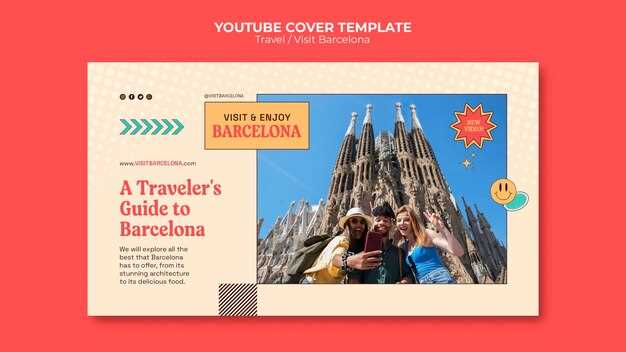
Barcelona is much more than just the stunning works of Antoni Gaudí. While the Sagrada Família and Park Güell may capture the hearts of many tourists, this vibrant city offers a plethora of attractions that deserve attention. In order to experience the true essence of Catalan culture and history, visitors should delve into the many underground tunnels, artistic pavilions, and contemporary art museums that make Barcelona a unique destination. This article will list some of the top must-see sites for those who might not be fans of Gaudí’s style.
Among the most recommended places to visit is the Museu Picasso, which houses an extensive collection of the painter’s works. For art lovers, exploring the various galleries and the MNAC (National Art Museum of Catalonia) will provide breathtaking views of the city and a closer look at Catalan artistry since the Middle Ages. Just a short head away from the city center, the Olympic area offers a glimpse into Barcelona’s modern history, showcasing buildings and monuments that have been loved by locals for years.
Don’t miss the chance to enjoy the vibrant atmosphere at Mercat de Sant Josep de la Boqueria. This famous market, located mere minutes from Las Ramblas, is one of the most visited sites in the city. Here, you can taste local delicacies and experience the heart of Barcelona’s culinary scene. For those who prefer a quieter setting, the beautiful beaches, or “platja,” of Costa Brava should be included in your itinerary to unwind and soak up the Mediterranean sun.
Whether exploring the wacky architecture of Montaner or taking a leisurely ride on the cable cars from Montjuïc, visitors will be blown away by the variety of experiences available. Barcelona has it all, from ancient sites to contemporary attractions, ensuring that everyone can find their favorite spots in this large and diverse city. With so much to see and do, it’s time to step away from the typical tourist path and discover what else Barcelona has to offer beyond Gaudí.
Hidden Gems and Local Favorites
For those looking to explore Barcelona beyond the iconic works of Antoni Gaudí, the city offers a myriad of hidden gems that often go overlooked. Santa Caterina Market, with its stunning colorful roof, is a favorite among locals for its fresh produce and vibrant atmosphere. Just a few minutes away from the bustling La Rambla, it’s the perfect spot to indulge in authentic Catalan cuisine while mingling with residents. Visiting the market during the morning ensures you experience its lively energy before the tourist crowds arrive.
Another must-see is the Fundació Joan Miró, a contemporary art museum located on Montjuïc. It houses one of the largest collections of Miró’s work, including paintings, sculptures, and textiles. The views from the museum are simply stunning, offering an excellent perspective of the city below. Make sure to check for free admission days, which the museum offers several times a month, making it an accessible addition to your itinerary.
For those seeking a quieter escape, the MNAC (National Art Museum of Catalonia) is often missed by tourists. Established in a breathtaking building that was originally a palace, the museum showcases art from the Romanesque period to the mid-20th century. Its extensive collection includes masterpieces that represent Spain’s rich artistic history. Visiting this less crowded museum allows for a more intimate experience, providing ample time to appreciate each work of art.
Lastly, take a stroll through Parc de la Ciutadella, which serves as the city’s green lung. Here, you can find the beautiful Cascada Monumental and various pavilions, making it an ideal spot for a leisurely afternoon. Rent a rowboat on the park’s lake or simply relax in the shade of its ancient trees. This park is a local favorite for picnics and gatherings, offering a refreshing break from the typical tourist activities and a chance to connect with the city’s vibrant community.
Discover the Bunkers del Carmel for Scenic Views
When exploring Barcelona beyond Gaudí, one cannot miss the stunning Bunkers del Carmel. Located on the hill of Turó de la Rovira, these former military bunkers offer some of the most incredible panoramic views of the city. In just a few minutes from the bustling heart of the city, visitors will find themselves in an area that feels worlds away from the crowded Ramblas and famous landmarks like the Sagrada Família. This hidden gem is a favorite amongst locals and savvy travelers alike, ensuring a unique experience that isn’t typical in the usual tourist guides.
The views from the bunkers are nothing short of breathtaking. Once there, you can enjoy a sweeping vista that includes the iconic skyline of Barcelona, the sparkling Mediterranean Sea, and the expansive Montjuïc park. Time spent here is not just about the sights; it’s a delightful way to immerse yourself in the atmosphere of the city. Artists and photographers frequent this spot, drawn in by the golden hour light making for stunning photographs that encapsulate the essence of Spain.
To truly enjoy the Bunkers del Carmel, plan to visit either early in the morning or just before sunset. This timing allows for an intimate experience, where you can appreciate the changing colors of the sky over famous buildings and squares. Unlike the busy museums such as the MNAC or the Fundació Joan Miró, this destination is free, allowing you to revel in the natural beauty without the constraints of a ticket. However, don’t forget to bring water and snacks, especially if you plan to spend ample time soaking in the views.
Concluding your visit with a stroll around nearby areas will enrich your experience even further. For instance, head down toward Platja tàbí Colom to enjoy beautiful coastlines and vibrant atmosphere. A 3-day itinerary in Barcelona should definitely include this hidden treasure, as it is one of those things you’ll remember long after your visit. Make sure not to miss it, because the Bunkers del Carmel encapsulate the true spirit of the city–one that celebrates both its contemporary artist heritage and its wacky, laid-back charm.
Wander Through the Gothic Quarter’s Narrow Streets
The Gothic Quarter, or Barri Gòtic, is one of Barcelona’s most enchanting areas, offering a glimpse into the city’s medieval past. As you stroll through its narrow streets, you will encounter a unique blend of ancient architecture and vibrant street life. To fully appreciate this charming district, it is essential to take your time, as rushing through will only leave you with a fragmented experience of its rich history.
Begin your exploration at Plaça del Pi, a quaint square surrounded by Catalan Gothic buildings. Here, you can spot the beautiful basilica of Santa Maria del Pi, an architectural marvel that dates back to the 14th century. Make sure to take a ticket for any guided tours offered; they will deepen your understanding of the area’s history and the significance of its structures.
Wandering through the winding alleys, you might come across hidden gems such as the Temple d’August, remnants of Roman architecture that stand testament to Barcelona’s long history. In contrast, nearby, the Museu Picasso showcases the works of a young artist whose talent truly bloomed in this city, offering a contemporary perspective amidst the historic surroundings.
The charm of the Gothic Quarter lies in its unexpected discoveries. You may stumble upon a wacky street performer or a local artisan displaying their crafts. Areas like Carrer del Carme are filled with vibrant shops and cafes, allowing for a much-needed break. Grab a bite at the Mercat de Sant Josep de la Boqueria and enjoy authentic Spanish delicacies that will fuel your adventure.
As you continue to explore, make sure to visit the picturesque Plaça Sant Jaume, where the city’s governmental buildings stand. This site is often bustling with locals and tourists alike, offering a lively atmosphere that captures the essence of Barcelona. Just a few steps away is the famous Ramblas, a broad street that contrasts with the narrowness of the Gothic Quarter, providing a different yet equally exciting experience.
Your itinerary should definitely include a visit to Montjuïc, accessible by a cable car that offers breathtaking views of the city. The area features lush parks and the impressive Olympic Stadium, showcasing Barcelona’s sporty spirit. The juxtaposition of natural beauty and architectural greatness makes it a favorite spot for both locals and visitors.
While the Gothic Quarter is certainly captivating, the surrounding areas also have much to offer. If time permits, consider visiting Fundació Joan Miró, which houses a collection of contemporary art that reflects the city’s dynamic cultural landscape. This site exposes the artistic evolution of Barcelona and allows for a deeper appreciation of its diverse heritage.
In conclusion, the Gothic Quarter and its surroundings provide a comprehensive experience of Barcelona beyond Gaudí’s masterpieces. Whether it’s the historical significance of the buildings, the artistic treasures found within the museums, or the vibrant street life, wandering through this area will surely be one of the highlights of your trip. Take your time; there is so much to uncover in this magical part of the city!
Experience the Vibrancy of El Raval Neighborhood
El Raval offers a unique glimpse into the heart of Barcelona, making it a must-visit for anyone looking to experience the city’s culture away from the typical tourist spots. The neighborhood has been transformed over the years, blown away by the infusion of art and innovation. Notable buildings like the contemporary Museu d’Art Contemporani de Barcelona (MACBA) and the iconic Sant Pau del Camp basilica showcase the rich tapestry of history and modernity that defines El Raval. Strolling through its streets, you’ll find a list of things to do that ranges from appreciating public art to enjoying the ambiance of local squares.
When you head towards the Mercat de la Boqueria, you can immerse yourself in the bustling atmosphere that encapsulates the essence of Spanish markets. This vibrant place has been a staple of the community for years, offering fresh produce and local delicacies. Don’t miss the chance to try some traditional tapas while you’re there. Exploring the narrow tunnels and alleys, visitors can find hidden gems where local artists display their wacky creations, making El Raval a thriving hub for artistic expression.
For an unforgettable view of the area, take a short trip to the nearby Montjuïc, where you can enjoy breathtaking vistas of the city. Just minutes away, this area has been a historical site since the 1992 Olympics, hosting various pavilions and cultural events. In order to complete your 3-day itinerary in Barcelona, it’s crucial to include El Raval. Whether you’re visiting the Colom monument or just enjoying live música in the squares, El Raval will undoubtedly leave you with lasting memories of your time in Spain.
Visit the Historical Mercat de Sant Antoni
Ọ̀kan lára àwọn ohun ìṣúra tí ó fara sin ní ìlú Barcelona, Mercat de Sant Antoni dúró gẹ́gẹ́ bí ẹ̀rí sí ọlọ́rọ̀ ìtàn àti àṣà alárinrin ìlú náà. Bí ó tilẹ̀ jẹ́ pé kò lókìkí bíi àwọn àṣà ìṣẹ̀dá Gaudí, ọjà ńlá yìí ti jẹ́ ayanfẹ́ láàrin àwọn aráàlú fún ọ̀pọ̀lọpọ̀ ọdún. Ti ayàwòrán modernist Antoni Rovira i Trias ṣe ní ọ̀pẹ̀ ọ̀rúndún 19th, tẹ́ńpìlì ìṣòwò yìí ní ìgbékalẹ̀ onírin tí ó gbámúṣé tí a ti mú padàbọ̀ sípò pẹ̀lú ìfẹ́. Ó jẹ́ ìdúró pàtàkì lórí ìtòlẹ́sẹẹsẹ ìrìn àjò rẹ tí o bá fẹ́ ní ìrírí Barcelona tòótọ́ kúrò ní àwọn ìdẹkùn onírààwọ̀ tí ó wọ́pọ̀.
Ọjà jù bákan náà ibi tí a ti ń rà ohun ọ̀gbìn tuntun lọ; ó ń fúnni ní àwòrán nípa ìgbésí ayé ojoojúmọ́ àwọn olùgbé ìlú náà. Àwọn àlejò yóò rí àwọn àtíbàbà tí wọ́n ń pèsè ohun gbogbo láti inú ọ̀yà ilẹ̀ àdúgbò títí dé ohun ọ̀nà àgbéléwọ́, gbogbo èyítí àwọn olùtajà oníhùn púpọ̀ ń bójútó, díẹ̀ lára wọn jẹ́ àwọn olóyè àti oníṣẹ́ ọnà ilẹ̀ àdúgbò. Ojú ọjọ́ náà gbámúṣé, èyí tó jẹ́ kí ó rọrùn láti gbádùn rìn kiri nínú àwọn páfílíọ̀nù tó gbòòrò láì sí ìpayà tí tikẹ́ẹ̀tì tàbí ìlọwọ́ọ̀wọ́ gígùn. Bíbẹ ọjà wò nígbàkúgbà ń mú ọ mọ àwọn adùn àti ìran tuntun tí ó jẹ́ kí ṣíṣàyẹ̀wò kún fún èrè.
| Facilities | Highlights |
|---|---|
| Ọ̀fẹ́ Wi-Fi | ဆိုင်ယွန်အာတီဇံ |
| Restrooms | ߝߊ߬ߦߌߟߊ ߣߐ߰ߟߐ |
| Gbà bá ibùjókòó | Cafés ak baawoŋ |
Mercat de Sant Antoni gbɔŋ gbɔŋlɔŋlɔŋlɔŋwo gbɔŋŋlɔŋlɔŋlɔŋŋŋŋŋŋŋŋ. Ele gbɔŋŋlɔŋlɔŋlɔŋ gbɔŋŋŋlɔŋlɔŋlɔŋŋŋŋŋŋŋŋ gbɔŋŋŋŋŋŋŋŋlɔŋlɔŋlɔŋlɔŋ, àgbɔŋ gbɔŋŋlɔŋlɔŋlɔŋŋŋŋŋŋŋŋ gbɔŋŋŋŋŋŋŋŋ gbɔŋŋŋŋŋŋŋŋlɔŋlɔŋlɔŋlɔŋlɔŋŋŋŋŋŋŋŋŋŋŋ. Gbɔŋŋlɔŋlɔŋlɔŋŋŋŋŋŋŋŋ gbɔŋŋŋŋŋŋŋŋ gbɔŋŋŋŋŋŋŋŋlɔŋlɔŋlɔŋlɔŋgbɔŋŋŋŋŋŋŋŋ, Sant Antoni gbɔŋŋŋŋŋŋŋŋlɔŋlɔŋlɔŋlɔŋ gbɔŋ gbɔŋŋlɔŋlɔŋlɔŋŋŋŋŋŋŋŋ. Gbɔŋŋlɔŋlɔŋlɔŋŋŋŋŋŋŋŋ gbɔŋŋŋŋŋŋŋŋ gbɔŋ gbɔŋŋlɔŋlɔŋlɔŋŋŋŋŋŋŋŋ gbɔŋ gbɔŋŋlɔŋlɔŋlɔŋŋŋŋŋŋŋŋ gbɔŋŋŋŋŋŋŋŋlɔŋlɔŋlɔŋlɔŋ, gbɔŋŋŋŋŋŋŋŋgbɔŋŋŋŋŋŋŋŋlɔŋlɔŋlɔŋlɔŋ Barcelona gbɔŋŋŋŋŋŋŋŋlɔŋlɔŋlɔŋlɔŋ gbɔŋŋŋŋŋŋŋŋ, gbɔŋŋŋŋŋŋŋŋgbɔŋŋŋŋŋŋŋŋlɔŋlɔŋlɔŋlɔŋ Fundació Joan Miró gbɔŋŋŋŋŋŋŋŋ gbegbɔŋŋŋŋŋŋŋŋlɔŋlɔŋlɔŋlɔŋ Barceloneta gbɔŋŋŋŋŋŋŋŋ, gbɔŋ gbɔŋŋlɔŋlɔŋlɔŋŋŋŋŋŋŋŋ gbɔŋŋŋŋŋŋŋŋlɔŋlɔŋlɔŋlɔŋ gbɔŋ.
Yɛ nokwarem no, Mercat de Sant Antoni deɛn a ɛwɔ hɔ no nte sɛ deɛ ɛwɔ mmaaɛ bi. Mfeɛ bebree ni a abɛyɛ beaeɛ titire a wɔn a wɔpɛ sɛ wɔdwane firi agodiebea a agye din no ahoyerɛw mu no kɔ. Ɛbɛyɛ wo nwanwa sɛ nneɛma ahodoɔ pii wɔ gua yi so. Sɛ woreba abɛgye w’ani wɔ aduane ho anaa woreba abɛhome wo ho a, gua no bɛgya wo nkaeɛ a ɛntwɛre da. Mma wo ani mmmpaeɛ de hunu Barcelona abrabɔ a ɛyɛ nwanwa yi!