


 Norsk nynorsk
  English (UK)
  Русский
  বাংলা
বাংলা  العربية
  日本語
日本語  한국어
한국어  Magyar
  Türkçe
  עִבְרִית
  Español
  Čeština
  Svenska
  Português
  Ελληνικά
  Suomi
Suomi  Nederlands
  Română
  Italiano
  Français
  Polski
  Українська
  Deutsch
  简体中文
简体中文  Slovenčina
  Српски језик
  اردو
اردو  Azərbaycan dili
  O‘zbekcha
  አማርኛ
አማርኛ 
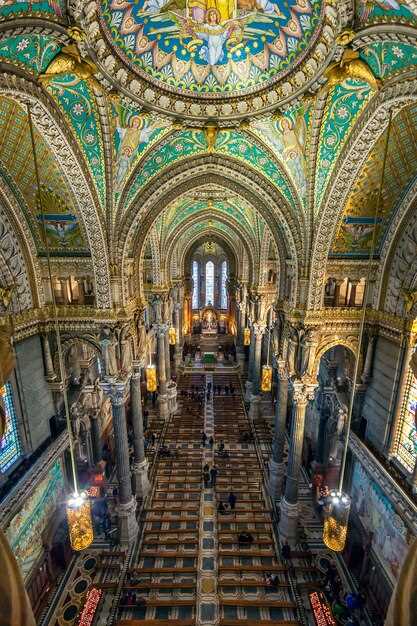
Located in the heart of Milan, the Duomo Museum offers visitors an unparalleled opportunity to delve into the rich ecclesiastical history of Italy’s most iconic cathedral. Designed to accommodate both guided tours and independent exploration, the museum features packages that cater to all kinds of visitors. Whether you’re an avid history buff or a casual tourist, you’ll find something to admire among the ancient chapels and stunning artifacts.
This captivating museum, which began its journey six centuries ago, showcases the foundational elements of the Duomo’s architecture and art. From intricately designed altarpieces to the awe-inspiring amber stained-glass windows, every exhibit serves as a testament to the dedication and skill of artists and artisans throughout history. As you navigate through the various areas of the museum, be sure to check out the specific exhibits that highlight the church’s most significant moments across time.
For those planning their visit, it’s worth noting that September through November is a particularly vibrant time to experience the Duomo Museum, as the city is less crowded and the weather is usually mild. Additionally, you can easily reach the museum via metro, ensuring that your day of exploration is both accessible and convenient. However, to save time and avoid last-minute cancellation issues, it’s wise to book your tickets in advance, especially if you wish to join a guided tour. Don’t limit yourself to any one particular route; the museum’s diverse offerings allow you to pick a path that suits your interests, ensuring a fulfilling experience every time you visit.
Unveiling the Architectural Marvels
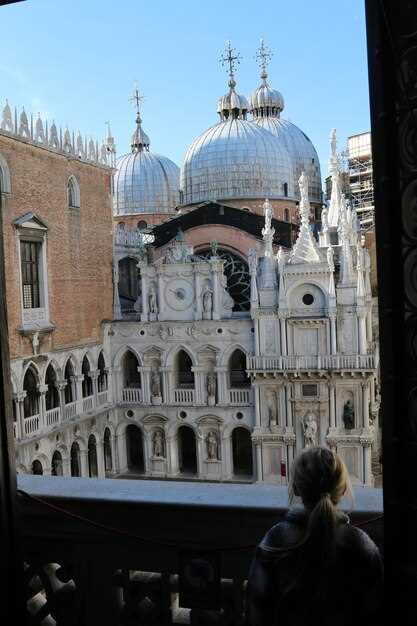
The Duomo Milan Museum offers an extraordinary collection of artistic and architectural masterpieces that will captivate visitors. Among these treasures, the architectural interventions throughout the centuries are particularly noteworthy. Established as a testament to human creativity, the museum holds artifacts that peak in craftsmanship and design.
In the heart of Milan, the Duomo cathedral itself sits as a symbol of an era, where both Gothic and Renaissance styles converge. It includes stunning tapestries and statues that tell stories of the past, while providing a glimpse into the inner workings of its construction. Visitors can explore the various architectural styles, which have evolved over a timeline that spans more than six centuries.
Moreover, the museum frequently features exhibitions about notable figures such as Galeazzo Visconti, who played a pivotal role in shaping the city’s architectural landscape. The pieces on display are not only historical artifacts; they reflect the city’s spirit and its dynamic history through time.
For those planning a visit, the website offers flexible options for tours, allowing you to schedule your time in advance. Do not miss the opportunity to explore the museum’s offerings and look forward to seeing the panoramic views of the Duomo from the rooftop. Remember, your experience can dramatically enhance your understanding of Milan’s architectural marvels.
With their detailed planning, museum staff ensure that the exhibitions effectively showcase the best of what has been created over the centuries. Visitors should also take a moment to appreciate the surrounding courtyard and its connection to the city’s past, which provides a serene space for reflection after a day of exploration.
Ultimately, a visit to The Duomo Milan Museum is not just about looking at historical artifacts; it’s about connecting to the rich legacy of art and architecture that defines Milan. Make sure to reserve your slot online, as these tours often fill quickly, especially during peak tourist days in August and March.
What Are the Key Features of The Duomo?
The Duomo di Milano is an iconic landmark that showcases a unique blend of art, architecture, and history. Here are some of its key features:
- Stained Glass Windows: The cathedral houses over 3,400 stained glass windows that depict biblical stories, a testament to the artistic skills of craftsmen through centuries.
- Terracotta Decorations: Intricate terracotta sculptures adorn the façade, illustrating the rich history and artistic heritage of Milan.
- Spire and Tiburium: The towering central spire, known as the ‘Madonnina’, symbolizes sovereignty and offers panoramic views of the city from its height.
- Rooftops: Visitors can explore the rooftops, which provide a unique perspective of the Duomo’s architecture and the city of Milano. Tours are often planned, so booking in advance is necessary to avoid long queues.
- Original Artifacts: The museum features various artifacts that reflect both the historical and religious significance of the Duomo, including sculptures and architectural designs.
Visiting the Duomo may depend on the time of year, as prices and availability can vary. During busy days, it’s advisable to check for different slots in the application to ensure a smooth experience without long waits.
Additionally, nearby restaurants provide options for meals after touring the cathedral, ensuring that visitors can enjoy a full day in the heart of Milano. Remember to prepare for your visit by checking the metro route and necessary bookings.
For families, the Duomo offers various child-friendly activities and resources, making it a great destination for both adults and children. Don’t forget to capture your memories with photos, as the artistic elements of the cathedral create stunning backdrops.
Whether you’re there to admire the art or to experience the spiritual ambiance, the Duomo di Milano offers something for everyone, making it a must-visit historic site.
How Did the Construction Evolve Over Centuries?
The construction of the Duomo in Milan is a fascinating story that spans over 600 years. It all began in the late 14th century, during the reign of Giovanni Galeazzo Visconti. The original architectural design was created to represent the grandeur of the city with a blend of Gothic and Renaissance styles.
Initially, the project faced numerous challenges, including political unrest and changing architectural trends. As a result, different architects contributed their ideas, leading to an evolution in design. The construction continued in phases, with major efforts seen through the 15th and 16th centuries. This period witnessed the addition of intricate details like the carved altars and stunning stained glass, which you can see today in the museum’s collection.
| Ìgbà Àkókò | Key Developments |
|---|---|
| 1386 – 1500 | Foundation laid by Giovanni Galeazzo Visconti, introduction of Gothic elements. |
| 1500 – 1800 | Completion of the facade and introduction of Renaissance features. |
| 19th Century | Restoration and addition of the famous bronze doors, transforming the original design. |
| 20th Century | Final touches and the completion of the spires at peak height. |
Throughout the centuries, different materials were incorporated, from the local pink marble to amber embellishments, creating a real marvel of architectural achievement. The process was long and occasionally interrupted, but the planning and dedication from multiple generations resulted in what we see today. The structure, designed for both beauty and to withstand the weather of Milano, has become an enduring symbol of the city.
Today, the Duomo remains an essential area for visitors, offering guided tours and unlimited ticketing options for those wanting to explore its vast history. The museum additionally houses numerous tapestries and works that depict scenes from the cathedral’s storied past, allowing people to come and appreciate this world-renowned landmark extensively.
Whether you’re admiring the view from the nearby piazza or standing beneath the towering columns inside, it’s evident that the story of the Duomo is one of ambition, artistry, and resilience, inviting millions to visit and experience its wonder.
Which Artists Contributed to the Cathedral’s Design?
The cathedral’s design is a magnificent culmination of contributions from several renowned artists throughout its 600-year history. From the grand rooftops to the intricate windouhns, many artists left their mark on this iconic structure.
One of the most notable figures is Giovanni Battista Bergognone, who was responsible for creating several stunning altarpieces that enhance the temple’s spiritual atmosphere. His works are invaluable pieces that reflect the history and faith embedded in the Duomo.
Another significant artist was Donato Bramante, who, along with other architects, played a key role in the design of the early stages of the cathedral. His Renaissance style set the foundation for future renovations and additions.
Francesco Hayez, famous for his romantic art style, also contributed artistic elements that are still appreciated by visitors today. His work is invaluable to understanding the evolution of artistic styles in Itali.
The sculptures that adorn the facade were created by multiple artists, a collaborative effort that involved both ancient and contemporary stylists. The kọ́nṣẹ́ẹ̀lì of artists worked meticulously to ensure that the standard of artistry met the grand vision of the cathedral.
Visitors can join guided tours to discover these artists’ contributions. Many choose to explore nearby attractions that complement the Duomo experience, enhancing their overall appreciation of Milan’s rich art and culture.
If you want to know more about these artists and their masterpieces, consider purchasing a pas that offers ọfẹ̀. entry to the museum, allowing for a deeper insight into the ihe ndị dị mkpa displayed.
When planning your visit, don’t miss the opportunity to view the stunning Àwọn fọ́tò available online or those taken from the cathedral’s roof, showcasing panoramic views of the city. Tiketi can be purchased in advance, ensuring you won’t miss out on this peak experience.
By attending the Duomo’s museum, you will also discover special exhibits that celebrate the gifts na art di these magnificent artists, making your visit not only about the physical structure but also the rich history steeped within it.
Exploring the Museum Collections
The Duomo Milan Museum hosts a rich collection of artifacts that span over 600 years of history. Enter through the grand entrance, where the ornate architecture immediately captivates your attention. As you navigate the museum, you will find a series of stairs leading to different sections that highlight the cathedral’s intricate design and cultural significance.
On both sides of the museum, numerous chapels showcase stunning gold and amber statues, representing various scenes of worship and historical events. These wooden figures are not only artistic marvels but also hold great spiritual value, reflecting the devotion of worshippers throughout the ages.
Families visiting the museum on weekends will have the opportunity to enjoy guided tours, allowing them to learn about the contributions of archbishops and the evolution of the cathedral’s construction. Each visit is unique, depending on the routes taken and the specific exhibits available during your stay.
Visitors can also explore detailed models of the church and its surroundings, providing insights into the scale of the Duomo. Special sections highlight the intricate elements and structural innovations that distinguish this architectural masterpiece from other cathedrals across the globe.
For art enthusiasts, the museum offers a glimpse into the Duomo’s relationship with opera and various clubs that have celebrated its cultural relevance over the years. The strict guidelines on dress have been established to maintain the sanctity of the site as many guests may be visiting directly after worship or special events.
Understanding the history encapsulated in the museum can lead to a deeper appreciation for Milan’s heritage. Whether you are a local or visiting for the first time, make sure to stop by the museum shop to grab souvenirs or books that delve deeper into this remarkable history. Reservations are recommended, especially in November and August, when visitor numbers peak and you wouldn’t want to miss out on this extraordinary experience.
What Artifacts Can You Expect to See?
When visiting The Duomo Milan Museum, you will encounter a rich collection of ihe ndị dị mkpa that illustrate the storied history of this magnificent ụka. The museum is home to a series of exquisite stained glass windows, tapestries, and sculptures that date back hundreds of years. These masterpieces reveal the artistic styles that have evolved alongside the ụlọ of the cathedral itself, showcasing the work of engineers and artists who dedicated their lives to this incredible собором.
Among the many exhibits, you can expect to see artifacts that reflect the various routes maŋŋártut inunnik takkuliartunit ukiuni hundredvisinik. imejenga ụlọ ndị a na-emepụta na ihe ndị mejupụtara ha nke bụ created maka ọ dị mma ma baakwa uru, na-eme ka ọ bụrụ ngwakọta dị jụụ nke akụkọ ihe mere eme na nkà. Lezienụ anya nke ọma na nkọwa dị mgbagwoju anya na akwa teepu ndị ahụ bẹ́ẹ̀rẹ̀ dinyɛŋlile kpana kpɛŋgbɛŋa kɛhaaŋ niŋgbɔŋŋ ŋaŋɔŋ yitɔŋ kɛlɔŋ opera omenala.
Ụlọ ihe ngosi nka ahụ وەلاډیټی lies in its ability to preserve the history and the culture of Milan, making it accessible mọi người, đặc biệt là vào những ngày cuối tuần khi очереди ары баалар жогору. Сиз мүмкүн join a guided ŋɔŋlɔŋlɔ̃ ɖeŋuŋu yi gbegbɔŋgbɔŋ gbɔŋlɔ̃ gbɔŋ ŋɔŋlɔ̃ɖedziŋuŋlɔ̃ ɖesiɖesi gbɔŋ eye ŋlɔ̃ŋlɔ̃ geɖeŋuŋu le ŋgɔŋlɔ̃ duration gbara ihe ngosi nka. Maka ndị ọbịa chọrọ ime ka ahụmahụ ha dịkwuo ukwuu, inwe kpọmkwem plan အမျိုးမျိုးကိုရှာဖွေရာတွင် အထောက်အကူဖြစ်စေသောကြောင့် အကြံပြုထားပါသည်။ mbemba na ihe ngosi.
Yɛ wo nsrahwɛ mu no, kae sɛ ebia শর্টস ne atade a enni nsa ho ntaa nnyɛ ntade a ɛfata, efisɛ wɔhwɛ kwan sɛ wobɛkyerɛ obu ama beae no kronkron. Hwɛ музея no aban військовослужбовця အကြောင်းနောက်ဆုံးပေါ်အချက်အလက်များအတွက် nkwupụta mat вимоги і години роботи. Переконайтеся, що підтвердили деталі в ламбуун ni gbogbo atunṣe ti o le wa ni ipa ni awọn ọjọ kan bii доьха дийнахь ko e lolotonga ha ngaahi meʻa makehe ʻoku hoko. ʻE fakapapauʻi ʻe heni ʻe teuteuʻi koe pea ke lava ʻo fiefia kakato ʻi he taimi ʻe fakamoleki ʻi hono ʻātakaiʻi ʻe ha hisitōlia moʻoni mo mahuʻinga pehē.