


 Norsk nynorsk
  English (UK)
  Русский
  বাংলা
বাংলা  العربية
  日本語
日本語  한국어
한국어  Magyar
  Türkçe
  עִבְרִית
  Español
  Čeština
  Svenska
  Português
  Ελληνικά
  Suomi
Suomi  Nederlands
  Română
  Italiano
  Français
  Polski
  Українська
  Deutsch
  简体中文
简体中文  Slovenčina
  Српски језик
  اردو
اردو  Azərbaycan dili
  O‘zbekcha
  አማርኛ
አማርኛ 
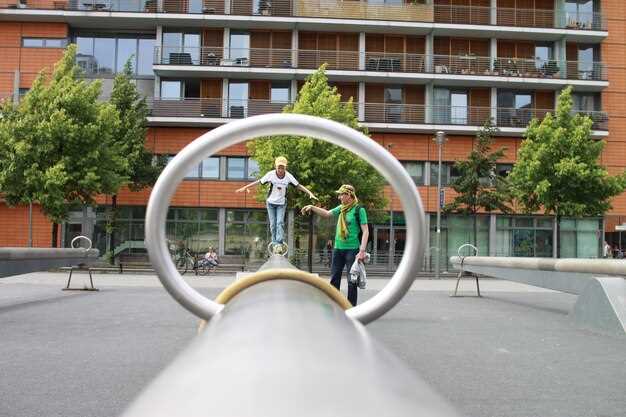
Located in the heart of Vienna, Gasometer City stands as a remarkable example of urban transformation that blends history with ultramodern design. Once used for gas storage, the iconic gasometers have been cleverly repurposed into a vibrant community filled with residential spaces, commercial facilities, and recreational areas. This brilliant integration of the past and present has not only preserved the historic character of these structures but also created a unique environment for residents and visitors alike.
Since their renovation, the four gasometers have been transformed into functional urban blocks, characterized by large glass windows and balconies that offer stunning views of the surrounding area. Each gasometer has its own distinct personality, featuring various artistic designs and modern amenities, making them more than just residential spaces; they represent a lifestyle. The design seamlessly navigates the needs of contemporary living while keeping the essence of the historic setting intact.
As you explore Gasometer City, you’ll find that it serves not only as a home but also as a community hub, offering facilities that cater to different activities and interests. From casual cafés to more formal dining experiences, creative spaces for parties, and art exhibitions, the Gasometers are designed to be the social center of the neighborhood. The unique blend of various elements creates a sense of place that is both welcoming and invigorating. With each step around the courtyard and each turn down the halls, visitors can appreciate the intricate details that went into transforming these once functional storage containers into a landmark of modern urban living.
Gasometer: An Overview
The Gasometer, a hallmark of industrial heritage in Vienna, once served as a pivotal infrastructure for the city’s gas supply system. Built towards the end of the 19th century, these four towering structures were originally used to store gas, integral to the urban development of Vienna. Over time, as technology evolved, the gasometers became obsolete but remained a significant part of the city’s architectural narrative, standing as a testament to innovative engineering and thoughtful urban planning.
In a transformative turn, Gasometer City emerged in the late 1990s, revamping these historic buildings into a vibrant center that showcases modern architecture while respecting the original design. The layout includes a mix of residential units, shops, and cultural spaces, emphasizing community engagement and open areas like the courtyards, which allow for continuous interaction among residents and visitors. Events and parties frequently take place in these lively spaces, making them a focal point of social activity and enjoyment.
- Each gasometer now features:
- Modern apartments and homes
- Commercial premises and shops
- Cultural and recreational areas
- Exhibition spaces showcasing local heritage
Thanks to this bold urban transformation, Vienna has successfully connected its historical past with contemporary living, allowing those who visit or reside in Gasometer City to appreciate its unique character. With a view of the original bricks and girders of the gasometers, visitors can witness firsthand how these buildings have been reimagined while retaining their historical significance, making Gasometer City a true gem in the capitals of Europe.
What is a Gasometer?
A gasometer is a large structure designed for the storage and distribution of gas, primarily used in the 19th and early 20th centuries. These facilities were crucial in the production of gas for heating and lighting in urban areas. The concept of gasometers became central to city infrastructure, with many such structures constructed around Europe, particularly in Austria. Over time, these buildings evolved, becoming emblematic of the industrial age, characterized by their towering heights and robust brick designs.
In Vienna, the Gasometer project represents a unique transformation of these once industrial structures. Originally built to store gas, the four prominent gasometers in the city have been repurposed into vibrant mixed-use developments. This innovative project cleverly combines living spaces, shopping facilities, and leisure activities, providing a new life for buildings that have stood for over a century. Thanks to thoughtful urban design, each gasometer now serves multiple functionalities while preserving the historical character of the original structures.
| Gasometer Feature | Description |
|---|---|
| Height | Each gasometer stands around 70 meters tall, offering a striking view of the skyline. |
| Area | Vibrant mixed-use area with shops, cafes, and residential spaces occupying both front and under the balconies. |
| ဒီဇိုင်း | Innovative design features integrate natural elements into the spaces, creating green areas within the urban environment. |
The transformation of the gasometers into modern facilities reflects a significant shift in urban policy, aiming to protect historical architecture while promoting sustainability. By introducing cutting-edge designs and green practices, the project showcases ways cities can adapt old structures for contemporary use. As visitors explore Gasometer City, they witness a perfect blend of old and new, allowing them to understand the depth of Vienna’s commitment to innovative urban redevelopment, all while enjoying the unique charm that these historical buildings provide.
Historical Significance of Gasometers in Vienna
The gasometers of Vienna stand as remarkable icons of the city’s industrial heritage. Originally constructed in the late 19th century, these structures were invaluable for the storage and supply of gas, fundamentally supporting the city’s energy needs. Designed using hulking girders and robust materials, they showcased the architectural ambition of their time. Over the years, the original gasometers transitioned from mere utility structures to significant historical assets that now serve as a symbol of innovative urban conversion in Austria.
Gasometers reflect Vienna’s thoughtful approach to urban policy and development. The decision to repurpose these mbụ buildings into mixed-use spaces was driven by a desire to preserve industrial history while providing modern amenities. Today, they house apartments, malls, and various commercial establishments, allowing visitors to navigate these structures and experience their historical charm. This blend of ultramodern architecture with traditional elements creates a unique atmosphere that captivates both residents and tourists alike.
One of the most striking features of the gasometers is their balconies that offer stunning views of the surrounding areas. These structures not only provide a glimpse into Vienna’s past but also serve as a modern urban center that hosts various events and activities. Visitors can gather in the courtyards below or explore the interconnected blocks, which feature shops and eateries, enhancing their experience while engaging with the layers of history embedded within the walls.
As a case study in adaptive reuse, the transformation of gasometers serves as an important reference for cities worldwide. By embracing their historical significance and integrating sustainable practices, Vienna continues to demonstrate how spaces can evolve. The meticulous attention to preserving details while facilitating modern living reflects a broader trend of respecting the past in urban development, offering insights into how other cities might achieve a similar balance.
Transformation into Modern Urban Spaces
The transformation of Gasometer City in Vienna represents a compelling example of innovative urban redevelopment, where historical gas storage structures are reimagined into a vibrant district. This project, initiated in the late 20th century, stands as a testament to Austria’s commitment to sustainable architecture and urban planning. The original gas tanks, which provided essential supply energy to the city, have been meticulously repurposed into modern buildings comprising residential units, offices, and cultural amenities. Each block maintains a connection to its heritage, offering a blend of ultramodern features while preserving the structural integrity of the previous century.
In Gasometer City, the surrounding community benefits from a variety of activities designed to inspire engagement and appreciation for the arts. The area brims with galleries and event spaces that showcase local talent, creating a dynamic cultural hub in the heart of Vienna. Innovative policies have facilitated the introduction of shops and cafes, including those famous for their delicious cookies, that encourage visitors to explore every corner of this unique urban center. As a result, the district has become a focal point for both locals and tourists, each contributing to a continuous dialogue between the old and new.
Thanks to visionary architects such as Wilhelm Wedhorn, the redevelopment has harmoniously integrated green spaces and directed foot traffic, making it easy for you to navigate the area. The architectural frame of the towers and buildings incorporates large windows, allowing natural light to flood indoor spaces while offering stunning views of the surroundings. This approach not only enhances user experience but also emphasizes the importance of maintaining environmental consciousness in urban design. Thus, Gasometer City serves as a model for future developments, illustrating how heritage and modern technologies can coexist to create urban spaces that are both functional and visually appealing.