


 Norsk nynorsk
  English (UK)
  Русский
  বাংলা
বাংলা  العربية
  日本語
日本語  한국어
한국어  Magyar
  Türkçe
  עִבְרִית
  Español
  Čeština
  Svenska
  Português
  Ελληνικά
  Suomi
Suomi  Nederlands
  Română
  Italiano
  Français
  Polski
  Українська
  Deutsch
  简体中文
简体中文  Slovenčina
  Српски језик
  اردو
اردو  Azərbaycan dili
  O‘zbekcha
  አማርኛ
አማርኛ 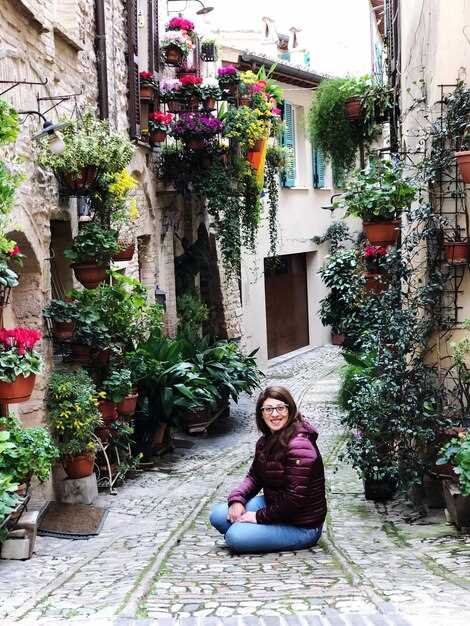 Alberobello – A Perfect Photo Op — Photo Spots in Italy’s Trulli Town">

Book a 90-minute sunset stroll with a local host to capture the iconic trulli silhouettes as façades glow. The route centers on the Apulian quarter with cone-roof houses, winding lanes, and a skyline view from the Belvedere. This walk guides you to two vantage points that maximize depth and color for memorable imagery.
What you’ll get is a concise shot plan, practical composition tips, and a digital gallery of your best frames after the session. Your guide speaks English and Italian and will tailor tips to your gear, whether you use a compact camera or a mirrorless setup.
Reserve online for private bookings starting at €69 for up to four guests; each additional guest adds €18. The tour runs daily from 17:30–19:00 in April–October, and 16:30–18:00 in spring and autumn. The meeting point is the small square near Belvedere, and the route is paved and suitable for all ages.
Ready for a standout shot session? Secure your spot now and receive a printable guide with exact routes and key times, plus a discount on your next booking.
Alberobello Photo Guide: Trulli Town Spots & Booking
Book a dawn photo walk with a local professional guide to have photographed arches and whitewashed trulli glow in soft morning light. Start at Rione Monti, where every corner invites new stories waiting to be photographed.
Move to Trullo Sovrano, the only two-story building, for close shots of textures and the chance to frame a lens-worthy doorway. The lanes here form natural lines that celebrate craft and daily life, and every turn feels engaging.
Bring a versatile lens (35mm or 50mm) to blend wide street scenes with intimate details; simply switch between angles to capture both the grand exterior and the tiny archways without missing a moment.
Plan your visit for mild weather in late spring or early fall; there, the light is engaging and doesnt stay long, so arrive early to nab the best angles.
From Alberobello, add the santandrea coastline on the return to the coast; explore nearby towns by car or bike; booking a private slot ensures you participate with fewer people and get tailored tips, making your love stories and couples shots feel natural rather than staged; this choice makes your album unforgettable.
Practical tips: arrive early, check Trullo Sovrano hours, wear comfortable shoes, and allocate a 2–3 hour window to maximize variety; it doesnt hurt to have a backup plan for weather changes, and you can shoot close-ups of textures and arches without rushing.
Best Times to Shoot: Lighting, Crowds, and Seasonal Variations
Shoot just after sunrise to catch the soft golden light grazing the whitewashed walls and those iconic conical roofs; youll keep the lines clean, avoid harsh shadows, and set up the best compositions for moments when the town is still quiet.
Weekday mornings in spring or autumn offer the best balance of mild temperatures, softer crowds, and longer light; the first rays hit monti and gargano horizons, making distant sites look stunning within the frame.
To avoid stiff crowds, aim for the very early hours and consider a midweek getaway; you could plan two days of shooting, guiding participants to try sequential angles and different light conditions.
Evening light shifts with the seasons: in summer, shoot during blue hour as the whitewashed walls glow; in winter, flatter light reveals textures on walls and stone, so adjust ISO and exposure to preserve detail.
A short drive to castel del monte adds context, but Alberobello holds those iconic sites in close focus; include fishing boats along a quay to add a storytelling layer to your images and to show the local rhythm.
technically, start with a wide-angle lens to capture the whole ribbon of trulli rows, plus a mid-telephoto to isolate unusual details such as doors, textures, and the rhythm of walls; shoot RAW to document color accuracy and tonal range.
Within the town, observe crowd behavior as the day unfolds; early light yields quiet streets, midday draws crowds back, and the late afternoon creates warm silhouettes that enhance storytelling; plan a few synchronized shots with participants for variety.
For gearing, bring a compact tripod, spare batteries, and a lens kit that covers from 16mm to 70mm; use a polarizer on bright days to tame reflections off whitewashed surfaces and to keep skies believable within your images.
Iconic Trulli Backdrops: Monti vs Aia Piccola and the Trullo Sovrano
Choose Monti for these dramatic backdrops and the kind of light that makes colors pop during early morning shoots in puglias. This special setting suits clients who want true, spontaneous moments that feel truly Italian and engaging for groups of friends or families.
Monti delivers rugged stone textures, winding arches, and wide views that help you capture the scene without feeling crowded. Aia Piccola brings intimate, close angles, with whitewashed walls that reflect a soft glow and a sense of wonder. The Trullo Sovrano adds height and a striking interior that can be captured from the stairwell or balcony, offering a variable backdrop that changes with the angle of look.
- Monti – use open sightlines, shoot in the golden hour, step onto the piazza for group photos and panoramas; these spaces are perfect for spontaneous moments and wide shots that show valle and the surrounding hills; consider a wide-angle lens to emphasize height and texture; outfits with warm earthy tones or bold blues pop against the stone.
- Aia Piccola – narrow lanes, arched doorways, close quarters; great for candid portraits and storytelling shots; you can frame a child and parent in a doorway, or capture a group looking into a street café; resilient, color-rich outfits like red, teal, and mustard stand out on the white walls.
- Trullo Sovrano – the interior has a mezzanine that creates dynamic lines; shoot from the stairs to capture depth; interior light is gentler, so plan outfits with contrast against plaster tones; for exterior, the dome shapes provide bold silhouettes at dusk.
Planning tips help you maximize these experiences. These timelines work well: shoot Monti at sunrise, then stroll to Aia Piccola for soft afternoon tones, and reserve Trullo Sovrano for sunset silhouettes that could be truly memorable.
- Plan two shoots: morning in Monti and late afternoon in Aia Piccola to cover different looks.
- Bring a lightweight reflector to control shadows on faces; youre clients will appreciate the even lighting.
- Respect locals, respect hours; keep noise down when capturing children and families.
- Prepare a few looks: outfit changes, cover hair with lightweight accessories, and stay flexible for spontaneous moments that could be captured in tight alleys or airy plazas.
These experiences invite groups to explore special viewpoints: stand at punta della Marebari to frame Monti’s terraces, or angle toward valle views from the upper balconies of Trullo Sovrano. The result is a collection that feels truly local, with a sense of wonder that welcomes clients and motivates them to share their stories in front of these iconic backdrops. If you want a truly engaging session, start with Monti’s wide frames, move to Aia Piccola’s intimate corners, and end on Trullo Sovrano for dramatic, elevated shots that highlight the town’s heritage and the people in it.
Secret Angles and Narrow Alleys for Less-Used Perspectives
Begin at first light in Aia Piccola, take a low stance along a quiet alley, and secure a close frame of trulli roofs rising from rough-stone walls. A long exposure with a wide lens reveals depth as the street stays nearly empty, a deliberate getaway for a patient shooter. This approach could suit any travel photographer seeking quiet texture.
Slip into backlanes behind the Monti district to reveal a rhythm of alcoves and white-washed curves. Shoot from knee-height, guiding the eye into arches toward a distant trullo, and use a 50mm lens to compress the scene for depth. This angle isolates textures crowds miss.
For a stronger frame, position a doorway or a window opening as a frame within a frame. A vertical composition on a stairwell yields a dramatic cascade of conical roofs; pair a 24-105mm lens with a polarizer to tame glare on lime plaster. Result: crisp colors and true tones as the sun climbs.
Pair a guided route with a castel vantage and a hillside corner for varied light. The plan includes itria and Italian village textures, including a narrow entry, rounded doors and a cobbled path that leads the eye toward the domed roofline. A guide provides context on history and timing; you can adjust pace to secure the best light.
Equipment tips: use a tripod only when needed, a lens in the 24-70mm range, and a polarizer to minimize glare on plaster. The pinnacle of these shots comes with a second session on a different day, an included upgrade in your toolkit that yields added depth and a richer narrative in your portfolio.
End with a casual break in a local drinks spot, then review the frames on a tablet. The contrast between stone, doors, and sunlit alleys in itria and nearby Italian villages shows what to repeat on your next visit.
Booking Tips: Reserve Ahead, Tickets, and Guided Tours
Reserve tickets at least 2–3 weeks before visiting Alberobello in peak months. This small window ensures you secure entry to popular tours and gives you a chance to request preferred time slots for photography, so you avoid long lines.
Tickets and price ranges: Adults typically pay 8–12 EUR; children 4–6 EUR; ọ̀pọ̀ ìwọlé tó jọra wọ́n máa ń fúnni lááfí. Fún àwọn ìbẹ̀wò àdáni tàbí ti àwọn àkójọpọ̀ kékeré, retí 90–180 EUR дар воқеа ва забон вобаста аст. Агар шумо тавассути каналҳои расмӣ брон кунед, шумо нисбат ба нархи номбаршуда хеле камтар пардохт мекунед ва шумо метавонед бастаеро дархост кунед, ки вуруд ба якчанд биноҳои таърихиро дар бар мегирад. Дар дӯконҳои дар роҳ буда, шумо метавонед lama agbájọ̀ àwòrán àti ohun ìrántí láti rán ọ létí ọjọ́ náà.
Visite guidate: guide appassionate forniscono informazioni sulla costruzione in pietra dei trulli, sulle Ala ala ní àwọ̀ funfun wọn, àti àwọn nkan tí ó ti yí ìlú náà ká. A မိနစ် ၉၀ gwe ɖe gbɔn ablɔ siwo gbɔŋuɖoamẽwo kple wo tɔŋu blue àvívɛ̀, kpódó xójlájlámɛ tɔn lɛ́ e nɔ̀ dó alɔ we bɔ a nǎ bló àlɔ̀ é. àwòrán títẹ̀ àwọn ohun ìrántí. Ọ̀nà yìí ràn ẹ́ lọ́wọ́ láti ní ìbálò pẹ̀lú wọn–àwọn àkókò ìrìn-àjò rẹ. Ina mfon̄ awọn ipa-ọna n ran ọ lọwọ lati wa ni irọrun ati lati ṣajọ awọn iranti ayeraye.
Ọ bụrụ na atụmatụ gị gụnyere ịkwaga site na trani Alberobello gbụrụ, hazie otu ehihie dị mfe iji nụ ụtọ ọkụ ehihie; njikọ a na-emepụta ihe ịtụnanya àwòrán títẹ̀ လွှမ်းခြုံထားသောအရိပ်များသည် ကျောက်သားအဆောက်အဦများကို ပေါ်လွင်စေသည်။.
Ọ̀pọ̀lọpọ̀ tikẹti àti ibẹ̀sílẹ̀ àbẹ̀wò sí ibi kọ̀ọ̀kan títẹ̀lẹ̀ máa ṣe ìdánilójú pé o လုဲႈ พลาดโอกาสชมห้องภายในที่ผนังเป็นหินขรุขระและเพดานต่ำ พร้อมไกด์อธิบายความเป็นมาของอาคารประวัติศาสตร์ iliyoundwa na otú ndị bi n'ime ya si jiri oghere mee ka ihe dịgide adịgide.
Minaʼaŋ ŋɔŋlɔŋ. request ọdụ ụgbọ ala, rịọ maka ngwugwu jikọtara ọnụ nke gụnyere ọtụtụ nkwụsị dị nso na etiti; ị na-echekwa oge na ọnụahịa, ị nwekwara ike ịhazigharị ụzọ gị iji weghara akụkụ dị iche iche nke Ala ala, èrè ou gbá àwòrán iwájú tàbí àwọn àwòrán tó sún mọ́ ojú fún ìṣàlàyé. blue ኣጥርታት ዝሕብሩ ምልክታት ኣብ ቱሪስታት ብውጽኢታዊ መንገድታት ክምርሑ ይሕግዙ።.
Ekugbelo, to gbọdọ wà nibi díẹ̀ tí a lè sinmi sí lati ba àwọn eniyan ibẹ́ sọrọ lọna àdánidá; èyí engaging Phương pháp này mang lại những tương tác nhỏ, tuyệt vời, làm phong phú thêm câu chuyện du lịch của bạn và giúp bạn biến những bức ảnh của mình thành nhiều thứ hơn là chỉ những hình ảnh. Hãy tìm những phụ kiện tóc và đồ lưu niệm hình lạc đà không bướu ở những cửa hàng nhỏ để tạo thêm dấu ấn cá nhân.
Nnwomdodow: Akwan a Wɔfa so Ba, Kar Pakin, ne Abusua Pa a Wɔda no Adi wɔ Beaɛ Hɔ
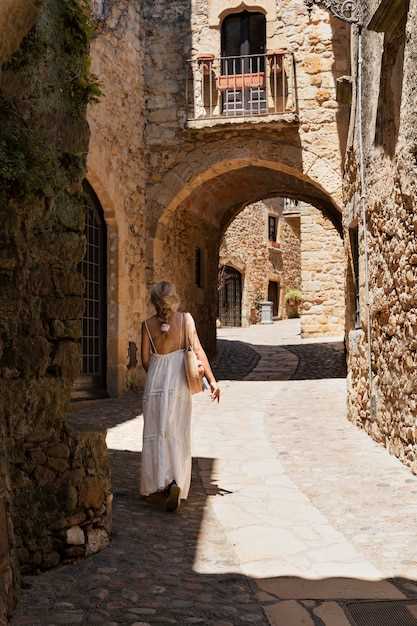
Ẹ̀ gbọ́dọ̀ páàkì mọ́tò yín sí àwọn ibi tí ẹ gbọ́dọ̀ gbọ́ mọ́tò sí ní ẹ̀yín ìlú UNESCO tí ó ṣe pàtàkì, kí ẹ sì rìn gba àwọn ìlẹ̀kùn wọ inú gbòngbò Alberobello; ẹ gbọ́dọ̀ wọ aṣọ tí ó rọrùn sí lára yín fún àjọdún ìṣẹ̀dá lọ́jọ́ náà, kí ẹ sì mú aṣọ fẹ́ẹ́rẹ́ kan tí ó lè ṣẹ́jú mọ́ra sí agbègbè Della Valle d’Itria (itria). Láti Bari tàbí Brindisi, ọkọ̀ ojú irin ti ìlú máa ń dé sí Alberobello ní bíi 60–75 ìṣẹ́jú, wíwà ọkọ̀ sì máa ń tó bíi 60 ìṣẹ́jú nípa lílo SP1. Àwọn àmì àwọ̀ búlúù máa ń fi àwọn ibi tí ó yẹ kí ẹ gbọ́ mọ́tò sí hàn; àwọn agbègbè wọ̀nyẹn á máa tètè kún ní àkókò tí ó ṣe pàtàkì jùlọ, nítorí náà ẹ gbọ́dọ̀ dé ṣáájú agogo 9:30 a.m. Fún àbẹ̀wò tí ó dá lórí ìgbélárugẹ́ àlejò, ẹ gbọ́dọ̀ ro ìkànnì marchesale tí ó lè ṣe àwọn ètò ẹ̀kúnrẹ́rẹ́ sí àwọn ibi tí ó wà nínú àwọn wákàtí tí ó yẹ, tí ó sì lè ràn yín lọ́wọ́ láti gbèrò fún ọjọ́ náà ní gbogbo ìgbà. Bí ó bá ṣe pé ẹ fẹ́ láti má ṣe lo ọkọ̀ ayọ́kẹ́lẹ́, ọkọ̀ ojú irin ní kùtùkùtù kùtù lẹ́yìn náà tí ẹ bá sì rìn díẹ̀ yóò fún yin ní ìmọ́lẹ̀ tí ó mọ́ kedere àti ọ̀pọ̀ ènìyàn díẹ̀.
He pai ngā tikanga i te wāhi: kia whakaute i te tangata me ētahi atu manuhiri; kia ātaahua, kia ngāwari ngā tū, kaua hoki e aukati i aua kuaha, i aua huarahi whāiti rānei. Me noho i roto i ngā ara kua whakaritea, kia whai whakaaro ki ngā kainoho, me tirotiro mēnā e hiahiatia ana he whakaaetanga mō ngā marae tūmataiti, mō ngā roto hoki. I te horopaki o Alberobello, ko aua wā whaiāipo i te taha o ngā pakitara mā me ngā ātaahua e tino kitea pū ana, ko ngā kakano rerekē o te kōhatu e whakaatu ana i tētahi horopaki tawhito. Haumarutia ō taputapu ki roto i tētahi pēke kōpaki, kia tata tonu atu ngā wai, me whakamahere kia kai i tētahi o ngā wharekai e pātata ana i muri i tētahi whakaaturanga, kia kore ai ngā kakara tunu kai e whakararu i te rere o tō wātū.
Ibi nweta n'obodo ahụ dum, site na okporo ụzọ ndị etiti ruo n'ogige ndị dị jụụ, na-enye ndabere dị iche iche maka ụdị ọ bụla. Chọọ ihe ndị dị ka arches, facades ndị a na-acha ọcha, na ọnụ ụzọ na-acha anụnụ anụnụ iji mee ka isiokwu gị dị mma. N'ime ebe ọ bụla, debe ihe ịrịba ama ndị e debere ma mara ìgwè mmadụ; ịnweta gụnyere nwere ike ịgbanwe na mmemme oge, yabụ jụọ maka mmachi na oge ịmepe ugbu a. Weta lens dị fechaa (na-ekpuchi obosara na etiti-tele) iji were ma foto ndị siri ike na ihe nkiri okporo ụzọ sara mbara, ma debe ọtụtụ n'ime atụmatụ ụbọchị gị ka ọ gbanwee ka ọkụ na-agbanwe agbanwe na okporo ụzọ ụkwụ gburugburu ndabere ndagwurugwu. Ọ bụrụ na ịchọrọ ọnọdụ ihe nkiri karịa, tinye isiokwu gị nso mgbidi ndị anyanwụ na-enwu n'oge ọlaedo, ma jiri omimi dị ala nke ubi mee ka nkọwa pụta ìhè ka ị na-ahapụ ka ntọala ahụ kuru ume.