


 Norsk nynorsk
  English (UK)
  Русский
  বাংলা
বাংলা  العربية
  日本語
日本語  한국어
한국어  Magyar
  Türkçe
  עִבְרִית
  Español
  Čeština
  Svenska
  Português
  Ελληνικά
  Suomi
Suomi  Nederlands
  Română
  Italiano
  Français
  Polski
  Українська
  Deutsch
  简体中文
简体中文  Slovenčina
  Српски језик
  اردو
اردو  Azərbaycan dili
  O‘zbekcha
  አማርኛ
አማርኛ 
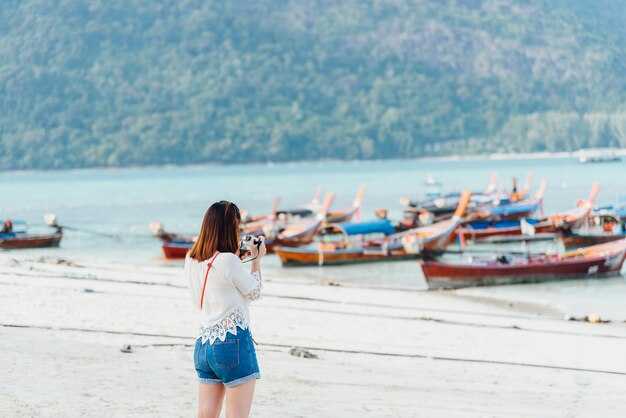
Start your Koh Samui visit with a ferry ride from the mainland and secure waterfront lodging for a relaxed first view of the island. This quick move sets the pace for a trip that balances beaches, culture, and convenient access.
Beaches on Koh Samui run the gamut: Chaweng’s energetic stretch, Lamai’s easygoing sand, and secluded coves around Choeng Mon. The water stays warm year round, snorkeling spots are clear just off the reefs, and sunsets over the sea are a huge, favorite for photographers and romantics alike. For meals after the swim, you’ll find a mix of casual street stalls and restaurants that offer fresh seafood, Thai curries, Western comfort food, and an awesome variety of flavors.
Culture thrives beyond beaches with iconic temples, markets, and local performances. The Big Buddha and Wat Plai Laem anchor a route through spiritual sites, while Fisherman’s Village–craft stalls and live music–offers evenings that aired with activity. Local guides have worked with communities to keep respectful visiting practices, and the work behind sustainable tourism shines in reef-protection efforts and community-led projects. Cooking classes connect you with flavors you’ll want to recreate at home. Someone you meet will likely share a tip that makes your photos feel more real.
Nature lovers can hike or bike to Na Muang waterfall, where the cascades tumble into emerald pools and jungle paths lead to overlooks. You can combine this with a mangrove kayak tour or a gentle ride to see ụmụ anụmanụ–monkeys, lizards, and a surprising number of birds–without leaving the resort area. If you crave a longer nature day, a guided trip to Ang Thong National Marine Park offers snorkeling and sea cave explorations, with some overlap in activities so you can tailor the day to your pace.
Food and lodging variety makes Koh Samui a practical pick for every need. In addition to casual cafes, the island is home to numerous family-run restaurants, luxury dining, and pop-up food stalls near night markets. The lodging range–from gbogbo beachfront resorts to cozy guesthouses–offers options that fit every need. One ਓਬਜੈਕਟ to know: a guided boat tour can include snorkeling, a lunch stop, and a ferry back to the mainland the same day. Definitely, this seamless mix makes Koh Samui a ayịkelé for first-timers and repeat visitors alike.
Five Reasons to Visit Koh Samui, Thailand: Beaches, Culture, and More; Lad Koh View Point
Reason 1: Beaches and coastline. You’ll probably want to set aside several mornings for beach hopping, enjoying Koh Samui’s beaches such as Chaweng and Lamai, where soft sand meets clear, turquoise water. The long reaches of Maenam and Bophut offer calmer stretches, palm trees, and excellent views. Take pictures from the waterline, ride a scooter along the coast, and stop at beach bars to sample fresh coconuts and curries you order from nearby stalls. Such beaches are ideal for a slow morning or a golden hour swim; don’t skip the quiet coves if you want a less crowded option.
Reason 2: Culture and temples. Visit the Big Buddha (Wat Phra Yai) for a quiet vantage with ocean views. Include a stop at local markets for Thai curries and chicken skewers. The island’s villages reveal architecture and religious sites featuring carved figures and jungle gardens. When you plan, follow local signage and allow time for photography; if you arrived early, you could enjoy a peaceful mood and take interesting pictures.
Reason 3: Jungle and nature. Koh Samui hides jungle trails among gold light and tall trees. Driving along winding lanes can present bumps on some roads; arrive with repellent and sturdy shoes; the path to Secret Buddha Garden or Na Muang waterfalls rewards you with fresh air and quiet spots; bring water and plan for some shade. You can spot birds and monkeys, making the drive worthwhile. If you want a couple of hours of easy exploration, choose a gentle trail; the jungle can feel wild.
Reason 4: Food experiences. Koh Samui food scene blends Thai curries with fresh seafood and street bites. Try green curry with chicken or red curry with fish; order from vendors who use coconut milk and lime leaves. Sample chicken skewers and papaya salad, and grilled fish; the island’s markets post daily specials and are excellent for trying dishes you won’t find in tourist areas. For a lighter option, go for fruit bowls and coconut ice cream while you watch locals cook on charcoal grills. If you’re into cooking, plan a short class or visit a market to learn how to make curries at home.
Reason 5: Lad Koh View Point and sunset photography. The ridge offers views across the gulf, with a canopy of lipa trees along the road and gold light washing the bays. Arrived here by driving up a winding lane; youd notice a few bumps on the switchbacks, so drive slowly and stay aware of locals coming from the other direction. The views include green hills, blue seas, and small islets; take pictures from the rail and post them to share with friends, and plan a quick recap of the day that highlights the ride, the Buddha statues along the coast, and the calm that follows a busy afternoon.
| Ibi | Ntaké yɛsra | Tips |
|---|---|---|
| Big Buddha (Wat Phra Yai) | Iconic statue with ocean views | Wear respectful clothing; arrive early to avoid crowds |
| Chaweng Beach | Long stretch of sand and vibrant beach life | Arrive early; rent a chair; watch for boats |
| Lad Koh View Point | Best sunset panorama of the gulf | Drive slowly; watch for bumps on the road |
| Na Muang Waterfalls | Cool pools and jungle setting | Bring repellent; wear sturdy shoes |
| Secret Buddha Garden | Whimsical statues in a quiet jungle | Follow signs; access can be tricky |
Core reasons and practical insights for planning your trip
Choose a central base in Koh Samui for 4–5 nights, such as Chaweng or Bo Phut, to keep driving short and every day balanced. Once you land, plan around nature, rocky coves, and easy access to tours. A well-chosen base makes it simple to reach beaches, temples, and night markets without long rides.
For solo travelers and nomad-minded visitors, the island offers inexpensive stays, guesthouses, and houses within a short ride of the coast. Staying in these options keeps costs down, supports local communities, and gives you flexibility to switch rooms or neighborhoods where you feel most relaxed. Many travelers have enjoyed staying in such places because they offer a calm rhythm and a friendly crowd.
Plan days around nature and pace: mornings on calming beaches, afternoons chasing waterfalls, and sunset walks along rocky shorelines. If you’re unsure about crowds, start early and reserve afternoons for markets or spa time. Almost every corner opens new views that have a calming effect on the body and invite peace.
Practical moves: fly from Bangkok to Koh Samui, or from Phuket, then transfer to your base by a short taxi or scooter rental. If you’re unsure about driving, book a driver for day tours. Driving around the ring road stays straightforward, and you can split days between quiet coastlines and lively towns. Tours to Ang Thong National Marine Park, waterfalls, and local markets help you cover highlights in a compact plan.
Food, markets, and budget tips: Koh Samui offers inexpensive options, from simple beach stalls to clean guesthouses with breakfast. Dessert stops refresh after tours, and coconut treats are a popular midday pick-me-up. Come hungry and plan where you’ll eat, so you can taste a mix of Thai dishes and southern specialties that their locals love, without overspending and with room to save for a larger excursion. Markets offer a variety of snacks and fruit stands to keep you energized between tours.
Open your itinerary to a flexible pace: if you crave peace, choose Maenam or Tong Kratai beaches; if you want energy, Chaweng lanes and night markets will fill your evenings. Because Koh Samui keeps prices friendly, you can mix inexpensive meals with occasional splurges and still stay within a comfortable budget. If you come from Bangkok or Phuket, you’ll notice a relaxed tempo that invites you to slow down, imagine new adventures away from crowded tourist hubs. The slower rhythm opens space for deeper experiences.
Beaches by vibe: family-friendly bays, quiet coves, and water-sport spots

Begin at Choeng Mon Bay for the most family-friendly option with shallow water and a calm entry for kids. From muang, transportation options include taxi or scooter; the ride takes about 25–35 minutes depending on traffic. A short, well-marked path along the beachfront connects several calm coves, making it easy to move between swimming, beach play, and snack stops at nearby cafés.
Bang Por Bay stands out as a quiet cove with long sand and clear water, ideal for a relaxed picnic and a dip at any tide. Parking is simple in the mornings; nearby villas and beach cafés keep things convenient, and the shore walk yields surprisingly few crowds in april.
For action, Chaweng Beach and Lamai Beach host water-sport desks with stand-up paddleboards, kayaks, and jetskis. A single ticket covers a 15–30 minute session, and you can rent gear by the hour. In front of some resorts you’ll find a giant inflatable ride that kids love, while adults can enjoy a safe swimming area nearby.
To plan by vibe, here’s a simple table of options and what to expect: points for family-friendly – Choeng Mon, Maenam; points for quiet coves – Bang Por, thong Krut; points for water-sport spots – Chaweng, Lamai. Decide your path by the range of activities you want, and your budget: youd lean toward a luxury day, with the plai Laem area offering private lounges and juice stands. Compared with bali, Koh Samui beaches are easier to reach and steadier for families. Boat trips to nearby islands start from Bo Phut, perfect for a magical add-on. April can be hot, but morning sessions stay comfortable and you can fit in a dip before the crowds.
Lad Koh View Point: best times for sunrise, sunset, and photography tips
Plan to reach Lad Koh View Point about 30 minutes before sunrise to lock in soft light, then return 30–40 minutes before sunset for warm, long shadows. In august, sunrise lands roughly 05:50–06:10 and sunset around 18:25–18:40 local time. The front of the overlook faces the sea, and the climb follows winding roads; distance to the top is about 0.8 km of steady ascent and a few bumps along the way. Early arrival keeps crowds down, while outside stalls near the edge offer noodles and coffee; locals greeted you, smiling, as you prep gear. Plan your route by keeping flexibility across the month; this holds true for august as well.
Photography tips: Shoot RAW for latitude in post, keep ISO 100, set aperture around f/8, shutter 1/125 s for sunrise; in blue hour, try 1/60–1/80 s with a tripod. For sunset, capture a short sequence, then a longer exposure (0.6–2 s) if the water smooths; a 16–35 mm lens covers the scene, while 24–70 mm helps isolate foreground. When you explore, frame silhouettes against the glowing sky, and consider a vertical panorama to emphasize height. The vantage point opens early, and the site opens before dawn for blue hour and golden hour; if you post your best shot, everyone sees how Koh Samui lights up at Lad Koh.
Practical plan: If you stay in affordable hotels nearby, ride a bike along the coastal road; distance to the overlook is short, yet the ascent is steep enough to slow you down in august heat. Arrive with a plan, because crowds peak after sunrise; you can park near the roadside and walk the final meters. Early morning and late afternoon sessions suit a couple or a small group; the scene shifts as the sun climbs, so you can grab different moods in a single day. On quiet days, you may hear music from nearby cafes after the crowd thins; rest after shooting and take a few photos facing different angles before you post to social media. Everyone leaves satisfied, with shots that tell a simple Koh Samui story: roads, sea, and sky meeting above the bumps of the hillside.
Cultural highlights you can cover in a day: temples, markets, and ceremonies
Take an early temple circuit to beat the heat and crowds: start at Wat Phra Yai (Big Buddha) at sunrise for calm air and a serene view, then walk to Wat Plai Laem to admire its magical statue complexes, and finish at a tiny shrine in a nearby baan where locals maintain a quiet, respectful pace. This three-part move avoids the large, filled afternoon hours and keeps the experience fresh and focused. The walks between sites werent long–three to four minutes each.
After temples, follow a market route that blends locals and visitors: Fishermans Village market in Bophut stays mostly relaxed in the morning, with wooden stalls, fresh seafood, and crafts that glow at golden hour. These markets are among Koh Samui’s most approachable destinations, and you’ll likely chat with vendors as crowds thin toward noon.
For ceremonies, observe alms rounds or sit in on temple chanting sessions. In Koh Samui, most rites are open to visitors who follow etiquette: sit quietly, avoid flash photography, and dress modestly. Morning offerings bring a calm that feels magical; you’ll hear monks chant in a rhythm that locals describe as moving. If a festival is aired near your visit, you may see processions that pass along village lanes and piers, with taen rites performed by the community. Follow the crowd, but stay a few steps back so everyone can move freely. источник of local lore notes that these rituals connect residents with the island’s history and values.
Practical tips: dress modestly, wear shoes that come off easily, and carry a lightweight scarf for temple visits. Take a short walk through the markets to chat with vendors and sample coconut ice cream or grilled fish; photography may be restricted during certain rites, so follow the posted signs and respect the moment.
Seasonal note: july and august bring heat and sudden showers, so plan early starts to avoid the peak sun. In near-coastal areas, mornings stay still and the light sits nicely on stone and water; you’ll still find large crowds later in the day, especially on weekends, but the core highlights stay manageable if you begin before 9 am.
Where to eat and what to try: top markets, street food, and local dishes
Begin your culinary tour with Fisherman’s Village Night Market in Bophut for a quick, delicious sampler, then chase a broader range of bites along Chaweng’s lanes.
Plan your route around the season and temperatures: evenings stay comfortable, and you’ll be able to sample those bites on a relaxed stroll.
- Markets to visit
- Fisherman’s Village Night Market (Bophut) – Friday evenings, dozens of stalls, fresh seafood, grilled prawns, som tam, and roti; a short ride from central Chaweng for a compact tasting path. You can sample several products along the way there.
- Chaweng Walking Street – Sunday evenings, stalls with local bites, fruit shakes, and live music; usually busiest after sunset.
- Lamai Night Market – nightly options along the coast road, with coconut pancakes, skewers, and snacks you can sample on a casual stroll.
- Street-food bites to chase
- Seafood skewers and giant river prawns brushed with garlic and lime.
- Pad Thai and Pad See Ew from street stalls, with lime and chili flakes.
- Roti with banana and condensed milk for a sweet finish on a warm evening.
- Som Tam (papaya salad) with peanuts for a spicy, crunchy kick.
- Yellow curry with chicken or tofu, fragrant and easy to share with a friend.
- Coconut ice cream in a waffle cone, a refreshing treat by the sea.
- Local dishes to seek
- Tom Yum Goong – hot and sour with lemongrass and shrimp; bright and refreshing after a beach day.
- Tom Kha Gai – coconut milk soup with galangal and chicken; milder and comforting.
- Massaman curry – rich, slightly sweet, with potatoes and peanuts; a cozy, fine option for dinner.
- Som Tam Thai with grilled chicken or sticky rice; youd notice the balance of heat and lime.
- Gai Pad Med Ma Muang – chicken with cashews, a fragrant stir-fry that pairs well with jasmine rice.
- Practical notes on where to eat
- Chaweng and Bophut hostels cluster near the markets, giving you easy rides to the stalls; nomad backpackers often choose these areas for convenience.
- Accommodations range from hostel dorms to hotel rooms and luxury options; mostly within easy reach of the best stalls and seaside views.
- Prices vary by stall; you can enjoy a filling meal for fewer than 150 THB, while more elaborate dishes at seaside restaurants move into the fine range.
- Seasonal patterns matter: in peak season, crowds are high and temperatures cool a bit at night, but the markets stay vibrant.
- When you go, bring cash in small bills and choose places with open kitchens; youd often see the best quality there.
- For a structured experience, seek baan thani-inspired eateries and some fine beachfront restaurants to balance casual bites with luxury touches.
Smart travel setup: transport options, seasonality, and budget considerations
Start with a practical setup: fly into Koh Samui’s airports (USM) and grab a scooter in Chaweng to quickly reach the coast, then secure your first ticket for a short island hop to Koh Phangan or Koh Tao and enjoy the sand at dawn.
Local transport options keep you flexible: scooter rental around 150-300 THB per day, a taxi starts around 200-400 THB for short hops in Chaweng, and ferries or long-tail boats connect the coast to nearby islands. A known trick is to book airport transfers for about 500-800 THB instead of last-minute options. If you want to move quickly between bays, a rented scooter is the best choice; for longer trips or safer travel, a trusted taxi service works well. Many travelers loved the flexibility of scooter days, and you can quickly adjust plans if weather shifts. Transportation price can vary, but booking ahead helps ensure you pay a fair price.
Seasonality matters more for crowds than weather: the peak window is November to February, when seas are calm and days are sunny; April to June bring hotter afternoons and higher humidity. Surprisingly, the off-peak period often means lower airbnb prices and easier availability near Chaweng. источник reports that some ferry routes are aired in monthly updates, so check a few days ahead to lock your preferred times. A particular tip: plan around midweek to avoid weekend surges, then you can definitely enjoy more peace.
Budget tips: pick a particular base in Chaweng or Bo Phut for easy access to shops and beaches; book airbnb stays early to lock price; use Mara to compare options and find a good deal. If you want quick access to flights and ferries, order a couple of transfers ahead of time. Weekday departures usually cost less than weekends, so plan accordingly; once you have a plan, you can definitely stay within budget while enjoying sand, warm water, and coast life.
What to pack and practical tips: bring light layers for evenings; a small dry bag for beach days; always carry a copy of IDs and a digital booking; choose airbnb hosts with verified profiles for reliable wifi; arrange pickup that matches your flight time to avoid waiting; then you can leave with a quick, calm mood and a taste of Koh Samui’s peace and thrills. Evenings can feel cooler at times, but the coast stays warmly inviting more often than not.