


 Norsk nynorsk
  English (UK)
  Русский
  বাংলা
বাংলা  العربية
  日本語
日本語  한국어
한국어  Magyar
  Türkçe
  עִבְרִית
  Español
  Čeština
  Svenska
  Português
  Ελληνικά
  Suomi
Suomi  Nederlands
  Română
  Italiano
  Français
  Polski
  Українська
  Deutsch
  简体中文
简体中文  Slovenčina
  Српски језик
  اردو
اردو  Azərbaycan dili
  O‘zbekcha
  አማርኛ
አማርኛ  Ẹran Venetian 13 ti O Gbọdọ Gbiyanju ni Venice – Itọsọna Agbegbe si Awọn Ounjẹ To Dara Julọ">
Start with bacalà mantecato on creamy polenta for your first bite in Venice. This classic is a silky creamed cod spread that shines when paired with warm, thick polenta. You’ll spot it everywhere in small bacari, from the quiet spot near the Accademia to crowded corners by the Rialto bridge. In just hours, this bite sets the mood for a day of tasting, leaving a rich aroma in your memory.
Next, savor risotto al vialone nano, the emblem of Venetian rice, where the grains stay firm and drink in saffron or a light seafood stock. think of it as the starting point for a day of discovery; its aroma fills rooms as you stir. For meat-free options, choose crostini with roasted vegetables or polenta topped with creamed mushrooms–pretty satisfying as you wander. These picks show up in osterie along the Grand Canal and in quieter lanes below the bridges, so you can taste them without rushing.
After that, chase ombra with a quick cicchetti crawl: a glass of wine in hand, a plate of fried baccalà mantecato crostini, and a few bites of sardines in saor when available. together, they gave locals a compact map of flavor to share with guests. another classic is fritto misto, with small fillets of fish and a lemony finish; a sequence like this keeps the day light and highlights the city’s texture, from salt-air edges to quiet inner courts.
Below is a practical route to follow this year: pace your stops, assign hours to each bite, and note price ranges. This contains notes on where to find each dish, typical portions, and the best times to visit. Here, locals will tell you which bacaro match your mood, where to watch for crowds, and where to pause for an ombra as the canals glow at sunset, pretty close to the water’s edge, thats the charm of Venice.
Pincia’s Venice Food Guide
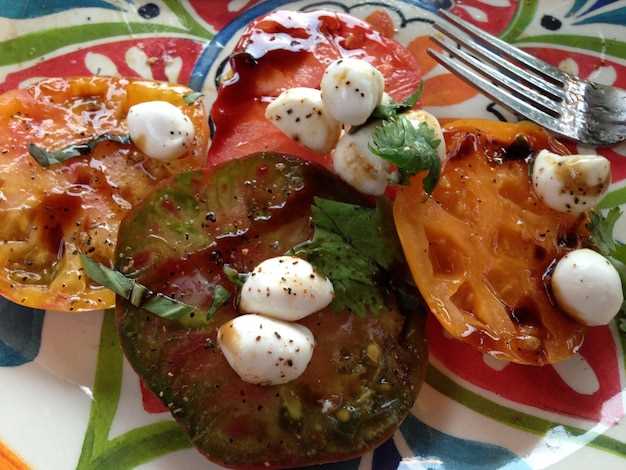
Start with baicolo crostini topped with creamed onions and a crisp salad, plus a small glass of local white wine–this break from myself routine sets a confident tone for a Venetian day of tasting.
Here, you’ll find reliable picks that shine in the Cannaregio and Rialto area, with clear taste profiles and practical tips for winter visits. Think of each stop as a chapter in a larger flavor map.
- Sarde in saor – Bite-size sardines, consisting of a bright onion-sour sauce with a hint of vinegar and raisins. Look for it at traditional bacari in Cannaregio or near the Rialto market perimeter; it pairs well with a light fennel salad to cleanse the palate. Price usually €8–€12 for 2–3 bites, a fast, satisfying start.
- Baccalà mantecato – Creamed cod on warm crostini, finished with a drizzle of olive oil. A signature Venetian starter found across bacari in Dorsoduro and beyond; serve with capers or olives and a side of polenta. A defining taste of lagoon cooking, consistent across taste profiles you’ve heard about.
- Fegato alla veneziana – Calf liver slowly caramelized with onions, butter, and a splash of white wine. The winter version often swaps to creamed onions for extra depth. Serve with polenta to soak up the sauce and savor the city’s rustic Italian cooking.
- Bigoli in salsa – Thick house-made pasta in a salty-onion and anchovy sauce; the ribbons hold the sauces well and deliver a bold, comforting bite. Find it in bacari around San Polo; this dish embodies Italian cooking traditions with a Venetian twist.
- Risotto al nero di seppia – Creamy risotto tinted by squid ink for an earthy, briny finish. In winter, request a version with a touch of cream to soften the edge, and a squeeze of lemon to lift the finish. A vivid example of how few ingredients create deep flavor.
- Polenta e schie – Polenta topped with tiny lagoon shrimp; briny, creamy, and satisfying. Winter renditions often include a light olive oil drizzle and lemon, making it a perfect snack between stops in the Cannaregio and Castello areas.
- Cicchetti and baicolo snacks – Rotating bites that highlight local produce. Expect slices of baicolo with herbs, seasonal vegetables, and a few sauces to balance salt and fat. These snacks reveal how Venetians shape flavor into small, shareable profiles.
- Seasonal salad notes – When a bacaro offers a simple green salad, choose it between heavier bites to feel the contrast of crisp leaves, citrus, and herbs. It gives your tasting flow a refreshing pause as you explore the area and the chefs’ profiles.
Take a moment between stops to compare textures and sauce pairings. If you’re trying to pack in a wide spectrum of flavors, this route keeps you in a compact area and makes winter tasting possible without rushing. Across profiles, flavors appear as you move from crostini to risotto, and you would notice how winter ingredients shape Venice’s salt-and-earth balance. These bites reveal a city whose love for seafood has ever guided cooks. End with a quick round of baicolo snacks to cap the day.
Where to Find Authentic Baccalà Mantecato and Sarde in Saor
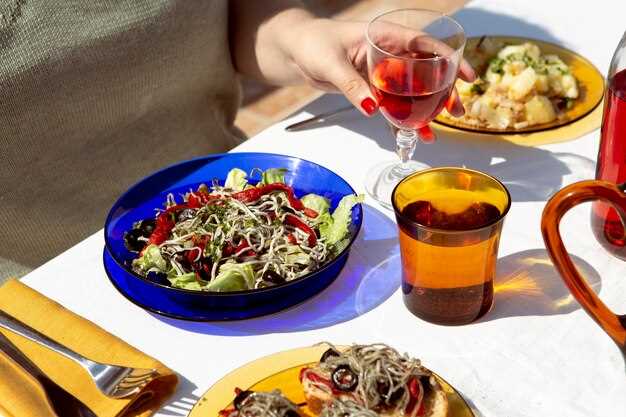
Begin at Dal Moro’s for Baccalà Mantecato on warm crostini; creamy, thick, white, and buttery, it shows the heart of venezia in a single bite.
For Sarde in Saor, Cantina Do Spade, a historic bacaro near a little square in san polo, delivers the classic sweet-and-sour balance with onion, vinegar, and raisins that honor the local culinary tradition. Many locals treat these two bites as a standard introduction to Venetian foods, especially when you want a quick, delicious snapshot of the port-side dining life.
Al Covo in Castello is another reliable option, offering both dishes when in season, with seafood treated simply to preserve the fish’s quality and to highlight autumn flavors; pair with a light risotto to round out the meal for a comfortable, culinary-focused outing.
These spots also serve other foods like polpette and fried scampetti, letting you compare textures; baby bites and little tasting portions appear on request, so you can try four bites without filling up.
friday evenings see longer lines near these bacari, but service stays efficient; from the port side to a tiny square, these choices keep the flavors local and accessible, and youre sampling a genuine Venetian dining rhythm that blends pastry finishes with savory seafood in venezia.
| Ibi | Dish to try | Agbègbè | Why it’s reliable | Best time |
|---|---|---|---|---|
| Dal Moro’s | Baccalà Mantecato on crostini; optional fried scampetti as a side | Rialto area near the port | Fresh, creamy, high quality control; classic preparation | Ọ̀sán títí di ìbẹ̀rẹ̀ ọ̀sán |
| Cantina Do Spade | Sarde in Saor | San polo | Historic bacaro with authentic prep; strong seasonal offerings | friday evenings through sunday |
Bigoli in Salsa and Risotto al Nero di Seppia: Techniques, Ingredients, and Taste
Grab Bigoli in Salsa as your first course, then savor Risotto al Nero di Seppia for a balanced Venetian tasting along the canal.
Bigoli begins with a dense dough of flour and eggs, traditionally kneaded until smooth. Roll the dough thick and extrude through a bigoli press to yield rough, pasta-like strands; if you lack the press, a piping nozzle can approximate the shape. Dry briefly on vecie boards or a floured surface, then boil in salted water until al dente, about 9 to 12 minutes depending on thickness.
For the salsa, sauté a generous soffritto of onions in olive oil, adding anchovies until they melt and the mixture becomes savory. A splash of white wine (vini bianchi) lifts the sauce, then you toss with the warm pasta and finish with parsley. The result resembled a glossy amber tide with briny bite and subtle sweetness from the onions.
Risotto al Nero di Seppia starts with a classic soffritto, then toasting Carnaroli rice until the edges look translucent. Deglaze with dry white wine, add hot stock gradually, and stir until the rice is creamy and almost al dente. Stir in squid ink to color and aroma, finishing with a knob of butter and Parm for gloss and body. The bright, sea-scented notes emerge as you eat, though the ink can be intense if you overcook it.
Taste and texture contrast–the bigoli offer a sturdy bite with the silky salsa, while the risotto brings a velvety center full of umami. Pair with a sparkling vino or a dry white vini; the salty-briny balance complements the ink and onions. Various herbs, a squeeze of lemon, or a light chili can refresh the palate between bites, helping you eat slowly and enjoy each scoop.
To recreate the Venice experience anywhere, seek seasonal seafood and fresh pasta; locate casual bars along the canal for authentic guidance and tasting. A well-paced itinerary could begin at vecie osterie near a bridge, then move to a bright, bustling locanda with a view of water, and finish with fritole and chocolate cookies for dessert. This approach, though foreign to some, offers a real taste of the city and its essi servers who explain the sauce, giving you hope to feel Venice in every bite until your next stop.
Tips: keep portions moderate, scoop the sauce evenly, and let the ink shine without overpowering the rice. If you’re cooking for guests, serve both dishes for a clear contrast yet harmonious pairing, finishing with a small fritole or chocolate cookies. Located in a casual space at a canal-side location, this meal can become part of your own Venetian itinerary, whether you’re on a quick break from travel or living locally and eating with locals.
Polenta e Schie: Best Venues, Price Ranges, and Serving Styles
Go to a Rialto bacaro and order Polenta e Schie at the counter for an authentic, absolute Venetian bite. The dish arrives as a warm bed of polenta, its golden edges crisped, topped with small schie that are cooked just right. The polenta can be served in slices or as a soft bed, and the chef dressed it with a light olive oil and a squeeze of lemon juice here.
A gatto named Miro lounges by the door, a friendly reminder that meals move at a human pace and at a pace that locals appreciate.
Best venues cluster around the Rialto and Cannaregio, in simple bacari and osterie that keep Polenta e Schie as a house staple. Expect price ranges of roughly 12-18 EUR at bacari for a single portion, and 18-28 EUR at a trattoria or osteria when you add a second course or a tasting plate. Look for a named spot with a consistent முறை, and check if the service includes a álló counter where you can watch the cook craft the polenta, schie, and dressing.
Serving styles split into three common approaches: (1) creamy polenta as a base with schie laid on top and dressed simply with olive oil and lemon; (2) polenta cut into golden slices, arranged with schie across the top for easy sharing; (3) a crostino-style version that places schie on crisp polenta rounds. In some spots, polpette appear on the same board for a contrasting bite, while others keep it purely sea-flavored. The early taste méeʼ ñu tambalee deceptively light, with a briny bite that deepens as you chew, and the palate moves toward a more pronounced sugar note from the polenta’s natural sweetness. A quick press with a tooth confirms the polenta’s texture.
Pairing and finish: a glass of Valpolicella balances the dish’s salt and sweetness, and the culinary landscape around Venice makes it easy to match a local wine. For those who prefer, a light glass of valpolicella pairs well with the seafood notes. For dessert, many places offer zabaione or a pastry to end meals, with a touch of asukali to bridge to coffee. If you want a longer finish, ask for a small digestivo or a lemon sorbet instead.
Tip: read menus in the early Venetian dialect to catch regional names. The முறை behind the polenta can vary, but you’ll recognize a solid spot by the straightforward aroma of olive oil and brine. The ruler of value remains portion size relative to price, so consider sharing a plate to savor several components of Venice’s sea-and-grain Ala ala in one sitting.
Fegato alla Veneziana and Other Liver Dishes: Don’t Miss in Trattorie
Order Fegato alla Veneziana at a little spot near Rialto and enjoy tender liver bathed in soft, caramelized onions; serve with warm polenta for a fine bite that shows the origins of Venetian cooking.
These dishes honor the origins of Venetian home cooking; the onion base should be harvested and kept very light, so the liver stays tender and never dries out, making the result noticeably better.
Some spots offer other liver plates that appear on menus, such as pork liver with onions or liver with herbs, paired with risottos; the best cooks keep the flavors bright with a light deglaze and a piping of onion into the pan.
Pair the meal with prosecco or a sparkling white; drinking before and after helps lift the flavors and refresh the palate.
Sa istom tačkom gledišta, uzmite u obzir kontrast morskih plodova: lignje i sipa donose slane note koje izoštravaju slatkoću jetre, pojavljujući se na mnogim jelovnicima tratorija ispod lukova nad kanalom.
N'ụzọ njem maka ndị na-ahụ nri ụtọ, jee ije site na obere ụlọ ahịa dị nso na mpaghara marco ruo harrys, ebe ị nwere ike ịnụ prosecco dị ọkụ ma tụnyere ụzọ dị iche iche si esi imeju; zụta mozzarella na nri ndị ọzọ n'ụzọ, wee laghachi na tebụl maka nyocha ikpeazụ.
Itinéraires de cicchetti : Meilleurs bars pour une collation vénitienne rapide
Fẹ́rẹ̀ bẹ̀rẹ̀ ní All’Arco (allarco) pẹ̀lú àṣẹ fírítè àti bísi ṣókí; sà sọ pé àwọn ègé méjì àti kámpárì ṣípírítì tí ń tuni lára láti jí èrò lásán rẹ.
Na nke a, na Cantina Do Spade, nri ndị ahụ nke nwere antipasto, shells, na parsley garnish na-egosipụta nka Venetian; bacaro a mara mma na-eguzosi ike n'ụdị iri nri dị mfe nke obodo ahụ, na-enye gị ụtọ ngwa ngwa nke olumba na ụtọ.
ပြီးလျှင် ခေါင်းလည်မူးဝေစရာမရှိသော ခဏတာရပ်နားရန် Bacareto Da Lele သို့သွားပြီး အမြန်ပြီးလွယ်သော မုန့်ပဲတစ်မျိုးမျိုးနှင့် ဝိုင်တစ်ခွက် သို့မဟုတ် ကမ်ပါရီ (Campari) တစ်ခွက်ကို ဖမ်းယူလိုက်ပါ။ ဝန်ဆောင်မှုက မြန်ဆန်ပြီး ခံစားရမည့်အငွေ့အသက်ကတော့ လက်တစ်ဆုပ်စာမျှသာရှိသော ဗင်းနစ်လူမျိုးများ၏ နေ့စဉ်အရှိန်အဟုန်ပင်ဖြစ်သည်။.
N’ụzọ niile, gee olumba ndị Venetian; ị ga-anụ okwu ndị e ji akpọ fritti na bisi, na pasili na-eme ka sheli dị na ofe ahụ na-acha. Ebumnuche eji eme ka òkè òfè dị ntakịrị bụ ka e nwee ohere ịdị atụ ọtụtụ nri sitere n’akụkụ dị iche iche ma mee ka ahụ dị jụụ, chee naanị na ofe ọbụla ị na-atụ bụ obere ihe mmụta.
Gbà tí o bá ti parí rẹ̀, ṣàyẹ̀wò ìwé owó náà kí o sì gba bancogiro gẹ́gẹ́ bi ìrántí ìtàn bí o ṣe ń pinnu irú oúnjẹ tó o fẹ́ jẹ lẹ́ẹ̀kejì; ìrìn náà ní antipasto, shells, fritti, àti àwọn àmúratẹ́gùn nínú, èyí tó máa fún ọ ní ìrántí púpọ̀ àti ìmọ̀ràn tuntun nípa ibi tó o fẹ́ pa dà sí lákọ̀ọ́kọ́ títí di ìgbà tí o bá fẹ́ gbádùn gbígbé pẹ́ láàyè.