


 Nederlands
  English (UK)
  Русский
  বাংলা
বাংলা  العربية
  日本語
日本語  한국어
한국어  Magyar
  Norsk nynorsk
  Türkçe
  עִבְרִית
  Español
  Čeština
  Svenska
  Português
  Ελληνικά
  Suomi
Suomi  Română
  Italiano
  Français
  Polski
  Українська
  Deutsch
  简体中文
简体中文  Slovenčina
  Српски језик
  اردو
اردو  Azərbaycan dili
  O‘zbekcha
  አማርኛ
አማርኛ 
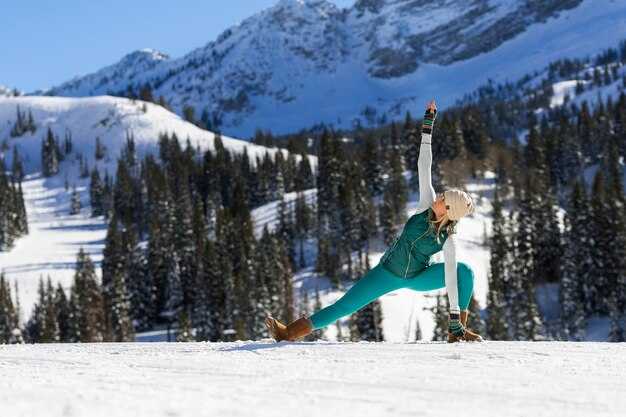
Begin with an efficient morning ascent to the high-alpine zone, where crisp air sharpens focus, wide views reveal glaciers, and the thrill accompanies every carve.
For bikers and snowboarders, the information package highlights biking routes and lines chosen by riders who prefer varied challenges. In the vallea, you can vary the descent routes; alternatively, switch to glacier meadows for a steeper grind, or add a snowmobile traverse to cover farther ice shelves. When pace slows or weather shifts, send updates to the group from the summit.
The season favors calm start times and highlights ecotours that minimize footprint while maximizing access to backcountry scenery. Guides share vital information on glacier networks, snowpack conditions, and safe routes, helping bikers and snowboarders stay on wide paths that respect the terrain and the glaciers.
Pack with a practical style and keep logistics efficient: map the zone, maintain a light kit, and plan rest stops to savor views. If weather shifts, send an updated plan to your crew or pivot to a slower, scenic loop to finish the day satisfied. Look for ecotours later in the season to extend your journey without harming the landscape.
Layering System for Whistler: Base, Mid, and Outer Explained
Recommendation: start with a three-tier system–base, mid, and outer–tailored to the days you plan on the mountain side. Base layer should be moisture-wicking and close-fitting; choose synthetic or merino. For most cold days, a 100–150 g/m2 weight hits the sweet spot; 200 g/m2 works when temperatures dip and wind exposure rises. Cotton stays out because it holds damp and chills the body. The available base options let you mix weights and find the right balance quickly.
Base, mid, outer: the practical breakdown. Base: transport moisture away from skin and stay dry; mid-layer: add warmth with 60–120 g loft fleece or synthetic; outer: 2L or 3L shell with sealed seams and a DWR finish. On exposed ridges and in steeps, a slightly looser outer cut lets you layer up without restricting a turn. Having a compressible mid-layer in your pack lets you adapt to morning frost and midday sun. Maintaining three levels lets you adapt across levels of cold and wind.
Pack logic and on-hill adjustments. Layering helps you ride the peaks with constant comfort; you can dial heat with zips and vents on the side of the jacket. For snowboardinguniverse crews and photographers, this setup keeps you ready for upper sections with exposed wind on whistler’s terrain. If you ride with the in-house instructors from a world-class school, they’ll stress the value of quick changes while still staying warm for long runs; you can click to view quick tips on tiktok and in photography posts, then apply them in real time.
Transit, area access, and value. When you’re hopping between area bowls or heading to the upper bowls on blackcomb, a compact pack with a base and a mid-layer makes it easy to stay comfy. Taxis and public transit are available nearby; fare policies and discounted passes vary by season–plan ahead and keep a light bag for the cold mornings. For snowboard trips, having multiple options, this top-tier system helps you find comfort whether you’re chasing a cold dawn or sunny turns on the side. If you want to see more, you can click and find related tips.
Base Layer Fabric: Merino Wool vs Synthetics for Different Snow Conditions
Recommendation: For dry, cold mornings, start with lightweight merino base layers; on days with high humidity or long sessions, switch to synthetic bases for faster drying and reduced cling under a shell. Afterwards, visit downtown restaurants along the main street, then share photos or a quick vlog about your base-layer choices and how they performed along the chairlift line.
Merino Wool: When it shines
Merino offers warmth with minimal bulk, natural odor resistance, and comfort on powder days. It stays warm even if slightly damp, but performance drops when fully soaked under heavy exertion. For long tours or days when quads burn and you push to reach higher peaks, this material feels almost luxurious against the skin. However, drying time is slower, so bring an extra lightweight piece to swap during lunch breaks at ecotours or on the way to ziplines in winter. Under a wind shell, it shines on cold, dry mornings.
Synthetics: When they shine
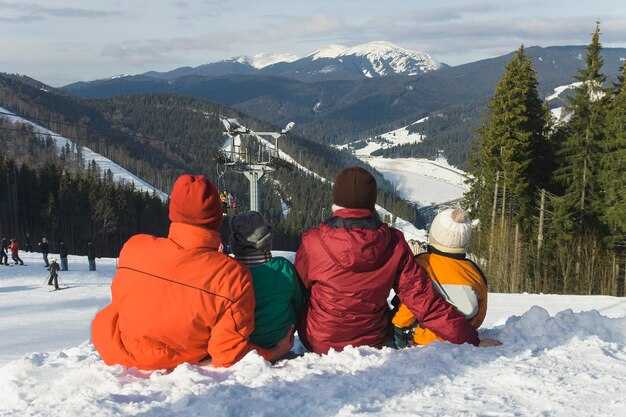
Performance fibers wick moisture quickly, dry faster between runs, and stay light on humid or wet days. They excel on steep, high-output climbs where you push hard and sweat. Synthetics handle repeated damp snow exposure, offer reliable fit, and make photos and vlog clips easier since they don’t cling. Great for longer tours and when you plan to open more runs; afterwards you can rent another set or head to north america towns. They drain heat fast during ascent and stay comfortable as temperatures rise.
| Snow Condition | Merinowol | Synthetic | Praktische conclusie |
|---|---|---|---|
| Dry, cold powder | Warmth with odor control; comfortable next to skin | Lightweight, quick-dry when moving; less bulk | Merino for comfort; synthetic if you’ll be stopping and drying often |
| Humid or wet snow | Insulation remains decent but may grow heavy | Dries quickly; best moisture handling | Favor synthetic top after lunchtime melts; swap at rental if needed |
| End of day, thawing | Can stay damp; warmth persists but drying slow | Fast-drying; easy to re-warm for apres | Best overall for versatility |
| Steep, high-output climbs | Comfortable; warmth may accumulate; odor risk | Moisture management excels; cools during ascent | Synthetic base reduces chill when sweating; carry an extra layer |
Information and planning: open shops along downtown offer rental options; hours vary by season. If you’re visiting america north, compare two brands before you buy and check for warranties. Afterwards, share photos and tours with friends, then visit ecotours and ziplines during the off-season to keep skills sharp. This world-class approach helps you reach steeper lines with confidence and makes your days around peaks even more rewarding.
Mid-Layer Picks: Fleece, Down, and Hybrid Options for Cold Mornings
Recommendation: start with a mid-weight fleece as your core layer for chilly mornings; it traps heat, breathes well, and keeps price reasonable while pairing with a lightweight shell on the chairlift. This setup is very flexible for adults and younger riders, and saves minutes with fewer steps during transitions between condos, cabins, bike routes, and the mountain path, which can feel enchanted in the morning light.
Fleece picks: value, look, and fit
Choose fleece in the 200-300 g range, full-zip with a stand-up collar; look for recycled fabric and reinforced cuffs. An array of colors lets you match your look with your condos and cabins, and british-influenced silhouettes add a crisp feel, making you look confident and looking ready for the day at the base area. The fleece offers lots of warmth without bulk, maintains a consistent level of breathability for activity, and keeps mornings enjoyable on steeper climbs when paired with a wind shell. For the same warmth across a range of temps, a mid-weight fleece is a safe bet. Some models feature a skihack pocket that holds a pass and small essentials.
Down and hybrid options for extremes
For truly cold mornings, bring a compact down layer (650-850 fill power) that compresses into a small pack; it adds significant warmth without bulk and works well under a shell or over a fleece. Synthetic-fill hybrids place warmth in key zones while maintaining breathability, making a versatile option for damp mornings and longer days. Look for lightweight down vests to boost bucketlist plans without weighing you down; this combo keeps you comfortable during long climbs, and its convenient design is a plus for price-conscious travelers who want savings on space and weight during transit. In mountain culture, this balance is prized, and the setup translates warmth across vertical segments while keeping the look cohesive across a mountain day.
Outer Layer Criteria: Waterproof, Breathable, and Windproof in Mountain Weather
Invest in a three-layer shell system: an outer membrane rated at least 20,000 mm waterproof and 15,000 g/m2/day breathability, with fully taped seams and a durable DWR finish. This configuration resists moisture during heavy snowfall and blocks gusts on exposed ridges.
Pair with a breathable mid-layer such as fleece or lightweight down; ensure the shell remains comfortable during long ascents. Include a neck tube or balaclava under the hood for extra warmth and to reduce heat loss around the neck.
Choose a cut that allows layering without bulk. Look for articulated sleeves and pit zips to vent quickly, preserving seamless warmth on long days or while riding a nearby chairlift.
Weather pattern details: December can bring dry powder, damp snow, and gusts near 40–60 km/h on exposed positions. A snug adjustable hood and protected cuffs help maintain warmth on the cheeks and ears during chilly gusts, even when reported conditions shift on the ridges.
Terrain and exposure: the area offers extensive acres with peaks rising above the treeline. Protection must perform across sun, wind, and snow; gear that breathes well and keeps moisture out remains still comfortable as you navigate near trails and ridge lines.
Pricing and gear strategy: for families and shared gear, pricing varies; December promotions often present better options, but then an increase may occur as demand grows toward the mid-season. Plan ahead to balance protection with budget while staying dry on the long season.
Tech and travel tips: check the forecast on your iphone before you travel; keep essential items in a lightweight tube sleeve for insulation and quick access; chairlift rides are frequent, so layer management matters and allows you to take advantage of skiinghacks to optimize warmth and mobility on the move.
Resource and accountability: for gear validation and community tips, see bikewhistlerblackcombcom.
Fuel, green, and performance: a world-class, environmentally mindful shell system reduces energy use while maintaining comfort for a single skier or a family traveling with gear; include layers that can adapt to a long season and keep you moving, fueling each day with confidence rather than constraint.
On-Mountain Layer Adjustments: When to Add or Shed Layers on Lifts
Begin with a breathable base layer and a light mid-layer; stash a compact wind shell in a chest pocket or pack; they offer quick warmth when a gust hits and improve airflow during climbing sections. The thing is to stay dry and comfortable from first chair to last run, week after week, without overpacking.
Conditions to prompt a change: wind chill, shaded ridges, and altitude shifts signficantly influence comfort. If gusts rise or the air feels notably cooler than the thermometer reads, add a layer; after a sheltered stretch, you can shed if the sun returns and temps climb. If the glass on goggles fogs, pause, wipe, and reassess before the next ascent.
Morning strategy: expect a cooler start on many days; keep base plus a light fleece, and only add the shell if wind accelerates or a shadowed corridor remains exposed. Though conditions can flip quickly, a two-layer plan remains a solid default for most people, including skiers and riders purchasing an EpicPass or similar product.
Practical on-lift routine
Check the forecast at the base and on the go; use the compass in your mind to steer toward warmth or ventilation as needed, then act within one lift cycle to avoid overheating. They suggest tidying zippers and cuffs in the mouth of the wind so you can adjust without removing gloves. On long lifts like Eagle, a quick top-layer change can be done in under a minute, keeping everyone organized and comfortable.
When to add or shed: if you feel significant chill on the ascent, add the shell; if sun comes out and temperatures rise, shed the mid-layer and let the base breathe. It’s still efficient to keep a spare thin layer in your pocket or a small pouch inside the bag; it’s fantastic for toggling warmth without stopping at facilities too often.
Pack strategy for a week on the hill: a lightweight puffer or down-like layer can be purchased or rented, and you can keep it compact until needed. For those who ride and bike during shoulder seasons, Bikers and hikers alike benefit from a flexible setup that you can adjust on demand; check the bag before every ride and verify the fare for any extra layer costs at lift hubs. Lilwat lands acknowledge the season shifts, but everyone on the mountain can stay cozy by adjusting layers as conditions change.
Packing Strategy: Carry Extras, Quick-Dry Garments, and Drying Between Runs
Pack a spare base layer and a compact microfiber towel; air-dry between descents to stay warm and comfortable.
For march conditions, two quick-dry tops plus a light fleece cover the longer days. Keep the kit based in a small daypack that fits under a chair or in a condo locker, with a quick swap of layers when needed. Store gear near the location’s downtown area to minimize time spent managing equipment.
What to bring (core items):
- Spare base layer and 1–2 pairs of quick-dry socks per active day
- Breathable mid-layer such as fleece
- Water-resistant outer shell with vents
- Waterproof footwear for indoor drying and post-run comfort
- Drying aids: microfiber towel, portable clothesline or hanger, compact dry bag
- Extra gloves or mittens and a lightweight beanie
- Small daypack to carry items on hills or during biking segments
- Steeps-ready outerwear and grip-friendly gloves to handle challenging runs
Drying between sessions: tips for efficiency
- After a descent, blot moisture with the towel and shake out snow
- Head indoors to a hotel or condo centre, or a dedicated drying centre, and dry for 15–25 minutes
- Hang layers on a rack or drape inside the jacket, keeping damp pieces separate
- If staying longer, plan multiple shorter indoor sessions to keep gear warm and odour-free
- Pack damp items in a dry bag to protect cleaner gear and maintain overall order
Location flexibility and practical notes:
- Downtown areas share condo-centres near the marketplace, offering convenient access to indoor spaces
- Hotels and condos provide based options with strong indoor facilities for family trips
- From reviews and photos, the world-class drying workflow shines on march trips but also works for longer stays
- In zones that feature eagle bowls or other steep terrains, keep a spare layer ready to go
- The popularity of this approach is high; doesnt waste time when you visit with kids and family
- For those who visit, scooterdomm hubs near downtown offer quick trips to indoor centres