


 Nederlands
  English (UK)
  Русский
  বাংলা
বাংলা  العربية
  日本語
日本語  한국어
한국어  Magyar
  Norsk nynorsk
  Türkçe
  עִבְרִית
  Español
  Čeština
  Svenska
  Português
  Ελληνικά
  Suomi
Suomi  Română
  Italiano
  Français
  Polski
  Українська
  Deutsch
  简体中文
简体中文  Slovenčina
  Српски језик
  اردو
اردو  Azərbaycan dili
  O‘zbekcha
  አማርኛ
አማርኛ 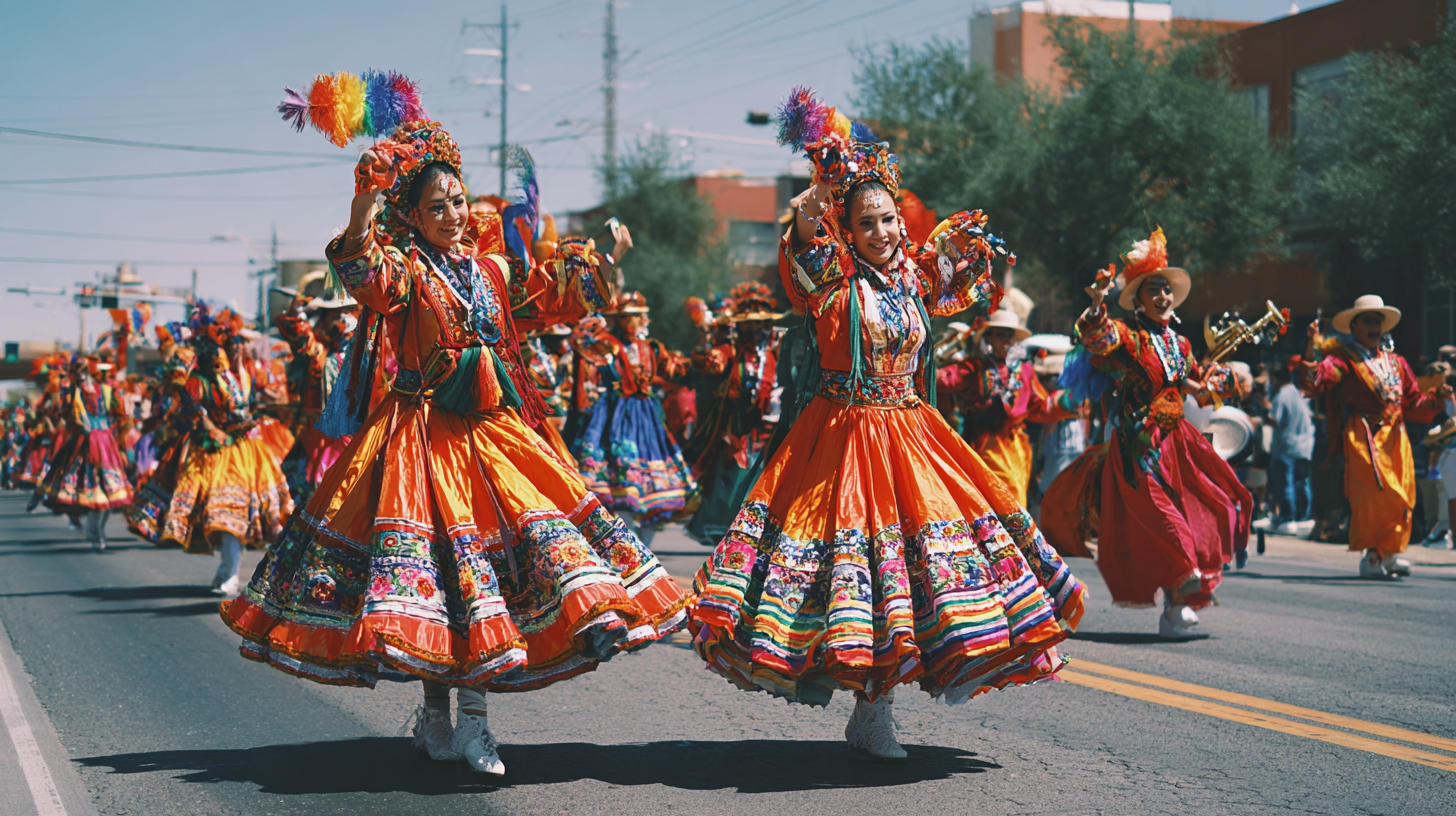 Festival Toerisme: Het behouden en vieren van cultuur">

Festivals are humanity’s oldest form of storytelling—vivid expressions of joy, memory, and identity. Through dance, music, and ritual, communities preserve their essence and share it with the world. As festival tourism grows, travelers are rediscovering the beauty of culture not as spectators, but as participants in celebration.
The Essence of Festival Tourism
Why Festivals Matter
Festivals bridge generations. They keep oral histories alive and reinforce cultural continuity. Attending one isn’t just entertainment—it’s education through emotion.
Global Growth and Demand
The World Tourism Organization (UNWTO) reports a 28% annual growth in festival tourism since 2020. Travelers seek authenticity, connection, and purpose—values embodied in cultural celebrations.
Economic and Social Impact
Festivals generate income for artisans, performers, and small businesses while strengthening local identity. Every visitor contributes to cultural preservation.
Asia: Spirituality and Spectacle
India – Holi and Diwali
India’s festival calendar is a color-splashed symphony. Holi unites people in playful chaos, while Diwali illuminates hope through millions of lamps. These festivals symbolize renewal, joy, and divine balance.
Japan – Gion Matsuri
Kyoto’s Gion Matsuri, dating back to the 9th century, is a living museum of tradition. Gigantic wooden floats parade through narrow streets, blending spirituality with artistry.
Thailand – Loy Krathong
In November, thousands release floating lanterns into rivers to thank the water goddess. The visual spectacle embodies gratitude and renewal.
Europe: Heritage and Creativity
Spain – La Tomatina
What began as a local food fight evolved into one of Europe’s most iconic festivals. It’s a joyful chaos that celebrates community and shared laughter.
Germany – Oktoberfest
Beer, music, and tradition converge in Munich each autumn. Beyond revelry, Oktoberfest honors Bavaria’s agricultural history and craftsmanship.
Scotland – Edinburgh Festival Fringe
As the world’s largest arts festival, Fringe transforms the city into a stage for creativity, inclusivity, and experimentation.
The Americas: Color and Rhythm
Brazil – Carnival
Few celebrations match the energy of Rio’s Carnival. Samba schools rehearse for months, merging costume design, music, and storytelling into an unforgettable urban performance.
Mexico – Day of the Dead
This deeply symbolic celebration honors ancestors through altars, marigolds, and shared meals. It’s both solemn and joyful—a conversation between life and death.
USA – Burning Man
Set in Nevada’s desert, Burning Man redefines modern culture through art, radical inclusion, and self-expression. It’s the blueprint for creative freedom.
Africa and the Middle East: Tradition and Transformation
Morocco – Gnawa Festival
In Essaouira, ancient African rhythms meet modern jazz. The festival celebrates spiritual healing through sound.
Egypt – Abu Simbel Sun Festival
Twice a year, sunlight illuminates statues inside the temple of Ramses II—an astronomical alignment turned cultural celebration.
Israel – Jerusalem Light Festival
Artists from around the world use light installations to transform the ancient city into a visual dialogue between faiths.
Responsible Festival Tourism
Respecting Sacred Traditions
Not every festival is a party—some are deeply spiritual. Travelers must observe local customs and avoid cultural appropriation.
Sustainability Challenges
Large festivals generate waste and strain infrastructure. Organizers now adopt green policies: reusable materials, renewable energy, and digital tickets.
Inclusivity in Celebration
Modern festivals aim for accessibility—wheelchair access, sign language interpretation, and inclusive participation ensure everyone can belong.
Conclusie
Festival tourism is the heartbeat of cultural preservation. It connects people through shared emotion, music, and ritual, ensuring that traditions evolve without losing their soul. To travel for festivals is to celebrate humanity itself.