


 Nederlands
  English (UK)
  Русский
  বাংলা
বাংলা  العربية
  日本語
日本語  한국어
한국어  Magyar
  Norsk nynorsk
  Türkçe
  עִבְרִית
  Español
  Čeština
  Svenska
  Português
  Ελληνικά
  Suomi
Suomi  Română
  Italiano
  Français
  Polski
  Українська
  Deutsch
  简体中文
简体中文  Slovenčina
  Српски језик
  اردو
اردو  Azərbaycan dili
  O‘zbekcha
  አማርኛ
አማርኛ 
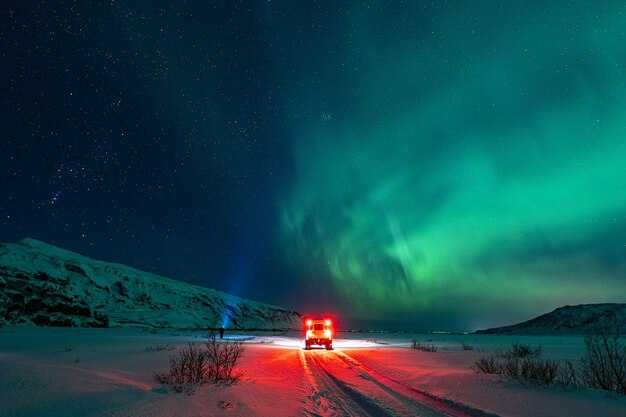
Go to Tromsø, Norway, in late February 2025 to maximize your chances of seeing the aurora. This scandinavian city covers dramatic fjords and a compact town that puts dark skies within easy reach for observers. The peak of solar activity is underway this winter, and those nights often deliver stronger displays, especially between 22:00 and 02:00 local time, when winds shift and clouds part. You can easily plan several nights to catch a rare aurora burst if the solar wind rates spike and the data supports clear skies.
In addition to Tromsø, Abisko in Sweden remains a standout village for reliably clear skies, particularly when high-pressure systems sit over Scandinavia. The area’s microclimate often makes auroras visible with minimal cloud cover, and several nights in peak windows carry long, bright curtains that tourists can photograph without chasing extreme weather.
In canada, the north offers vast territories for aurora viewing, with Yukon and the Northwest territories delivering regular shows when solar activity peaks. Those areas aren’t crowded, yet rates of clear nights rise in late winter, making it easy to combine northern travels with dog sledding or ice-road experiences. The west corridors provide broad horizons that frame the lights beautifully.
experts give practical tips: target late winter into early spring, pick low-light spots, and keep plans flexible to cover several nights. As the solar cycle change becomes evident, patterns shift, and the forecast gives a useful framework to time your visits. The trend toward stronger solar wind in 2025 tends to produce rare, spectacular curtains when skies stay clear, so a versatile route helps you catch those pulses. For a balanced mix, pair a scandinavian base with a canadian or alaska leg to cover different aurora morphologies. And treat each clear night as a chance to document something memorable.
For photography and viewing, follow these concrete steps: stay in west-facing locations to catch auroras as dusk fades, choose a village with dark skies, and keep a backup option in the east if clouds roll in. Check the KP index and solar wind rates each evening, and book at least three nights to account for nights when activity stalls. Bring a fast lens, warm layers, and extra batteries so you can capture several frames of green, purple, and occasional red displays.
Editor’s Note
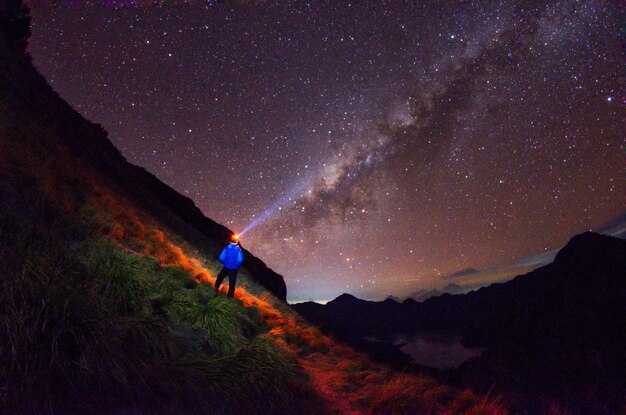
Book tromsø during the new moon windows from late September through March to maximize dark skies and the chance to catch purple aurora curtains. Check updates daily and be ready to move to a clearer horizon if clouds roll in.
The solar cycle’s scale matters: rising sunspots correlate with more frequent aurora displays. Particles accelerated by the sun collide with atoms in the upper atmosphere, turning into vivid arches that appear and fade with the wind. This system of forecasts, alerts, and local weather data helps you plan with clarity, and keeps value for your trip high. For a serious observer, pair a flexible plan with mountain or island vantage points where horizon lines are clean and light pollution is minimal. You can learn from trackers who said that even modest wind shifts can produce stunning curtains.
- tromsø, Norway
- Abisko National Park, Sweden
- Lofoten Eilanden, Noorwegen
- Iceland and its islands
- Fairbanks, Alaska, USA
- Svalbard, Norway
Where to look matters: aim for high-altitude or coastal mounts with open horizons, and stay ready to switch spots if the sky clears differently. More clear nights occur when you monitor local weather updates and aurora forecasts, then call a shift if needed to maximize catching the lights.
- Track sunspots activity and aurora forecasts; prioritize KP indices at 3–5 during dark hours. Update your plan daily to stay on track.
- Choose locations with minimal light pollution and stable elevations, such as mountain rims or island shores, to improve appearance of the curtains.
- Pack practical gear: warm layers, a sturdy tripod, a wide‑angle lens, spare batteries, and a remote shutter to keep shots clean during long exposures.
- Keep a flexible itinerary; if clouds roll in, switch to nearby vantage points with a better line of sight and ride out the quiet moments until the display returns.
Global hotspots that consistently offer strong auroras in 2025
Plan a 5-night base in tromsø for 2025’s peak window and booking with a local operator for two aurora tours. This approach keeps you flexible and increases the odds, as guides chase gaps in cloud cover and aim for the clearest conditions when solar activity increases. To keep options open, plan flexibly.
Beyond tromsø, Abisko in Sweden and senjas along the Norwegian coast, plus Iceland’s Reykjanes Peninsula and Svalbard, deliver strong auroras when skies cooperate. These arent gimmicks; tourism operators and scientists share quite clear opinions about reliable displays across years. The hebrides off Scotland occasionally host bright curtains under dark skies; access by plane and car remains straightforward for travelers.
Travelers who want reliability should stack bases: tromsø, Abisko, and senjas along the Norwegian coast, plus a backstop in Iceland or Svalbard. A compact itinerary minimizes travel and clarifies forecasts. Booking a multi-city stay with a single operator keeps logistics simple and saves time. Travelers like you can tailor a mix of bases to chase auroras while maintaining a comfortable pace.
In this article, science notes the aurora flowing along the magnetic oval; increases in solar wind during the cycle peak lift displays across territories and years. Flows down toward lower latitudes when the wind intensifies. In 2025, activity sits near a high point, boosting chances for vivid curtains across many latitudes. For photography, align nights with the new moon and minimize moonlight; plane trips and ground transfers help you chase the lights across borders.
Optimal viewing windows by latitude: months, moon phases, and weather patterns
Target latitudes between 66 and 69° N in jan-apr, using real-time forecasts to lock in nights with clear skies. This season offers the strongest activity and the best chance to witness vivid auroras from lapland, senjas, blachford, and other destination spots. It is a well-balanced approach to aurora viewing.
-
Arctic core (68–75° N). Months: jan-apr. Moon phases: near new moon or thin crescents to keep skies dark. Weather: high-pressure systems produce long, cloud-free nights; atmosphere stays crisp, boosting contrast. Destination options: lapland, blachford, senjas, swedish coastlines. Editorial note: prioritize nights with the strongest signals and the clearest atmosphere. This window is often stronger and more reliable, which makes it ideal to witness aurorae that rotates across the sky and runs along the horizon, typically between 22:00 and 02:00. Plan for strong displays that can be seen between islands and shoreline, easily seen on a clear, dry night.
-
Subarctic belt (60–68° N). Months: feb-apr. Moon phases: near new moon or crescent weeks. Weather: more variable, but after cold snaps you get clear slots; archipelago settings provide sheltered viewing, and the swedish coastlines along this band regularly see strong displays. Destination options include the blachford area and senjas region; use real-time alerts to target the best runs of activity; being flexible helps. The aurora often appears to move from one horizon to another and can be witnessed from sea level to higher lookout points, offering a counterpart to inland views.
-
Archipelago and coasts (55–60° N). Months: jan-mar. Moon phases: new moon preferred. Weather: maritime patterns bring clouds, yet gaps occur when wind shifts; archipelago landscapes give intimate viewing with water reflections. Swedish archipelago and southern coastline provide accessible options; constantly monitor forecasts to seize windows when the atmosphere clears. This destination is suitable for families or editorial tours, with opportunities to see the aurora overhead as it dances between islands.
How to forecast auroral activity: reading KP indices and sunspot data
Check the 3–7 day KP forecast from NOAA SWPC and current sunspot counts, then lock in an overnight plan at a destination like Reykjavik or the hebrides; if you see sustained KP 5+ and high sunspot activity, plane travel makes sense, and book rooms near dark skies.
KP indices anchor aurora forecasts. The KP index is a planetary scale from 0 to 9; high values indicate stronger activity, and a Kp of 5+ usually means a visible display, with 7–9 bringing intense curtains and arcs. Forecasts offering hourly updates help you plan easily, and the mean across the latest intervals gives a reliable momentum. Auroral occurrences occur when solar wind streams interact with the earths magnetic field, so a rising mean during the night window is a good sign.
Sunspot data matter. The mean sunspot number and the 10.7 cm solar radio flux correlate with aurora strength. When this mean rises, odds of a visible event increase; sources like SILSO provide daily numbers, and spikes often precede coronal mass ejections that drive dramatic displays on clear nights.
Practical watching strategy: pick nights with low light pollution and clear skies; head to dark-sky spots in Reykjavik, siberia, or the hebrides, and consider northern texas only during unusually strong events. Tourism infrastructure around these places offers overnight rooms and guided viewing. August nights can still bring late-night displays at high latitudes, though nights are shorter; a perfectly timed plan lets you witness the aurora in color bands from a quiet center of the sky.
Practical travel planning: routes, visas, lodging, and budgets for prime sites
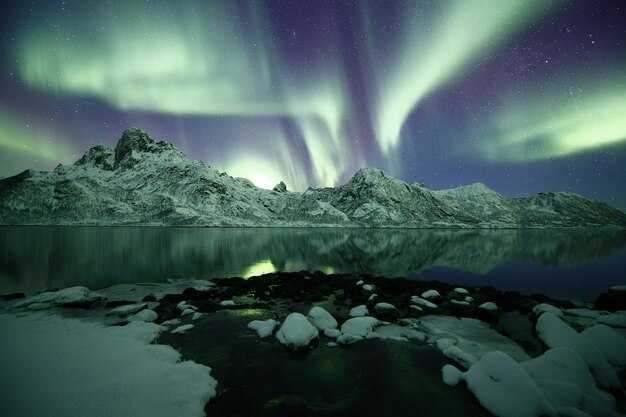
heres a practical plan to lock in prime aurora sightings across Tromsø, Iceland, Rovaniemi, and Orkney this season. Book early, check the auroral activity forecast, and choose flexible lodging with cancellable options to adapt to cloudy or stormy nights. Each base offers distinct atmospheres–from panoramic fjords to dark skies–that increase your chances of a magical sighting wherever sunspots peak.
Choose an efficient routing that minimizes backtracking: start with Reykjavik or Oslo, then connect to Tromsø for consecutive northern nights, slide east to Lapland for lavvu camping, and finish with a dark-sky long weekend in Orkney. This sequence balances flight times, visa needs, and local guidance from locals who know the best unlit pockets on clear nights. Check the official immigration and consulate websites for entry rules and carry a passport/pass for quick checks at borders.
lodging options span from boutique hotels to immersive stays. In Tromsø, choose a central hotel or a guided aurora camp with a stable forecast, ensuring you can dash outside during a window without long transfers. In Iceland, base near Akureyri or Reykjavik and plan guided dark-sky drives to rural sites; in Lapland, reserve a lavvu or glass-roof lodge to maximize atmospheric light while staying warm; in Orkney, pick a dark-sky guesthouse within easy reach of coastal vantage points. Each site benefits from checking weather and cloud cover daily, then adapting plans at the last minute to catch a clear window and a purple glow on the horizon.
budget planning keeps you flexible yet precise. Allow 180–320 USD per night in Tromsø, 150–260 USD in Iceland, 200–350 USD for a lavvu experience in Lapland, and 90–140 USD for Orkney lodging. Add 60–120 USD per day for a rental car or guided tours, and 40–100 USD for daily aurora checks and small-scale photography workshops. When booking, favor cancellable options and look for multi-site passes or regional weather guarantees on the hosting sites’ websites to lock in sightings without stressing about every cloud.
| Site | Route & travel flow | Visa/entry notes | Lodging options | Budget per night (USD) | Aurora notes |
|---|---|---|---|---|---|
| Tromsø, Norway | Fly to Oslo or a major hub, then 2h flight to Tromsø; return via Oslo. Seasonal direct options from London/Europe exist; plan 2–3 nights here before heading east. | Schengen–check your nationality on the official immigration site; UK citizens often travel visa-free for short stays; carry passport/pass; verify requirements on the government website. | Hotels in town; aurora camps with lavvu lodging nearby; some guided hunts include pickup and warm gear. | 180–320 | Donkere luchten bieden regelmatige waarnemingen; overweeg nachten met heldere voorspellingen en minimale wind; raadpleeg voorspellingen en lokale gidsen voor de beste momenten. |
| IJsland (Reykjavik / Akureyri) | Directe transatlantische routes naar Reykjavík of verbindingen via Europa; dagtochten of zelf rijden naar Thingvellir, Skógafoss en Vik; gemakkelijk te combineren met een tussenstop voor/na Tromsø. | Schengenregels zijn van toepassing; visumregels vergelijkbaar met Tromsø; raadpleeg de officiële site voor uw nationaliteit; houd paspoort/ID gereed voor straatcontroles indien nodig. | Guesthouse, kleine hotels of boerderijen op het platteland; vele opties buiten de stadslichten voor een donkerdere hemel. | 150–260 | Afgelegen locaties leveren dramatische, donkere nachten op; plan nachten 2-3 uur buiten de stad om de kans op het spotten van aurora's te optimaliseren. |
| Rovaniemi / Lapland (Finland) | Vlieg via Helsinki of directe opties vanaf sommige knooppunten; verblijf in de buurt van Rovaniemi of Levi; optionele dagtochten dieper de bossen in. Eindig met een uitstapje richting Orkney. | Schengenregels zijn van toepassing; controleer visumrichtlijnen; houd paspoort/identiteitsbewijs bij; Finse inreisregels staan op officiële websites. | Lavvu-kampen, lodges met glazen daken en boetiekhotels; lavvu biedt een traditioneel, sfeervol verblijf met panoramische luchten. | 200–350 | Panoramische nachten vanuit een lavvu of een hut met glazen dak maximaliseren de gloed van het noorderlicht; het beste als de lucht helder blijft; bereid je voor op koude maar magische comfort. |
| Orkney, Verenigd Koninkrijk | Vlieg naar Edinburgh of Aberdeen, neem dan de trein of auto naar Kirkwall; veerboten verbinden met meerdere eilanden; gebruik een verblijf halverwege in Orkney om donkere plekken in de lucht op te zoeken. | De visumregels voor het VK variëren per nationaliteit; controleer de huidige vereisten op de website van de overheid; Britse burgers hebben geen visum nodig voor korte verblijven. | Gezellige B&B's, kleine hotels en herbergen op het platteland; minder lichtvervuiling dan veel locaties op het vasteland. | 90-140 | Seizoensgebonden aurora kan verschijnen in donkere hoeken nabij de kust; bekijk lokale voorspellingen en weerpatronen; de atmosfeer kan intiem en tijdloos aanvoelen. |
Fotografie en veiligheid: uitrustingsopstellingen, beste praktijken en voorzorgsmaatregelen ter plaatse
Gebruik een stevig statief, een snelle groothoeklens (f/2.8 of sneller) en een afstandsbediening om de aurora in beeld te houden tijdens lange belichtingstijden. Bewaar reservebatterijen in een warme zak; kou onttrekt snel energie, dus neem minstens twee extra's per camerabody mee en een compacte powerbank om ze snel op te laden tussen de foto's door.
Tips voor planning en opnames: zet handmatige scherpstelling op oneindig met live view-vergroting, gebruik een neutrale of ietwat koele witbalans (3800–4200K), en zorg voor een opgeruimde voorgrond. Het is vrij gebruikelijk dat de aurora oplicht na middernacht, dus positioneer opnames met een solide voorgrond en plan voor verschillende composities. De term aurora borealis wordt vaak door elkaar gebruikt, en wees bedachtzaam op flare; een heldere maan of lamp kan ongewenste halo's creëren, dus scherm de lens af met een zonnekap en positioneer jezelf om strooilicht te minimaliseren.
Belichtingsaanpak voor het noorderlicht: drie kerninstellingen om mee te beginnen: 10–15 seconden belichting, ISO 1600–3200, en diafragma rond f/2.8. Pas de sluitertijd aan om details in de boog te behouden; kortere belichtingen verminderen strepen, langere verdiepen de kleur. Controleer het histogram om te voorkomen dat hooglichten wegvallen.
Veiligheid ter plaatse: kleed je in lagen en bescherm je ledematen; neem een hoofdlamp met rode stand, handwarmers en waterdichte laarzen mee. Blijf weg van onstabiele randen, dun ijs en klifranden; houd veilige afstand van wilde dieren en vermijd het lopen op zachte sneeuwbanken in de buurt van water. Neem een basis EHBO-kit en een kaart of offline GPS mee voor het geval je slecht bereik hebt.
Locatie en toegang: in regio's zoals Fairbanks of Finse districten kan de toegang per seizoen verschillen; in de Russische Arctische zones veranderen vergunningen en wegomstandigheden snel. Controleer de lokale regelgeving en vergunningseisen, vooral in archipelzones of beschermde gebieden. Gebruik een betrouwbaar systeem om voorspellingsupdates en bewolking te volgen; controleer dit met een vertrouwde website voor timingvensters en de algemene atmosfeer.
Compositie en onderwerpen: zoek naar eenvoudige voorgronden die helpen het noorderlicht te laten samenkomen met de nachtelijke hemel; bomen, hutten of silhouetten van archipels leveren sterke, klassieke scènes op. Als je een veelbelovende gloed hebt ontdekt, vermijd dan het najagen van oplichting - zoek stabiele lichtbronnen en laat de hemel spreken.
Het plannen van de route: stel een route met drie stops samen, met back-upopties, en weet hoe de toegankelijkheid kan veranderen met weersystemen. Raadpleeg de 24/7-voorspellingspagina op de officiële website en stel waarschuwingen in voor piekmomenten. Geef, indien mogelijk, uw beoogde observatielocaties door aan lokale contacten.
Laatste tips: oefening baart kunst; oefen de opstelling overdag om nachtsessies te versnellen, en documenteer je opnamesequentie om de lichtsterkte tussen nachten te vergelijken. In de winter verandert de atmosfeer snel; houd de cyclus van de aurorale activiteit in de gaten en pas je plannen aan als de hemel opklaart of bewolkt raakt.
Respecteer altijd de lokale veiligheidsrichtlijnen en de principes van 'laat geen sporen achter'; je doel is om de schoonheid vast te leggen zonder de omgeving te verstoren of iemand in gevaar te brengen. Door een robuust systeem te onderhouden en bewust te blijven van het milieu, vergroot je je kansen over de hele wereld om de beste aurora-momenten te vinden.