


 Nederlands
  English (UK)
  Русский
  বাংলা
বাংলা  العربية
  日本語
日本語  한국어
한국어  Magyar
  Norsk nynorsk
  Türkçe
  עִבְרִית
  Español
  Čeština
  Svenska
  Português
  Ελληνικά
  Suomi
Suomi  Română
  Italiano
  Français
  Polski
  Українська
  Deutsch
  简体中文
简体中文  Slovenčina
  Српски језик
  اردو
اردو  Azərbaycan dili
  O‘zbekcha
  አማርኛ
አማርኛ 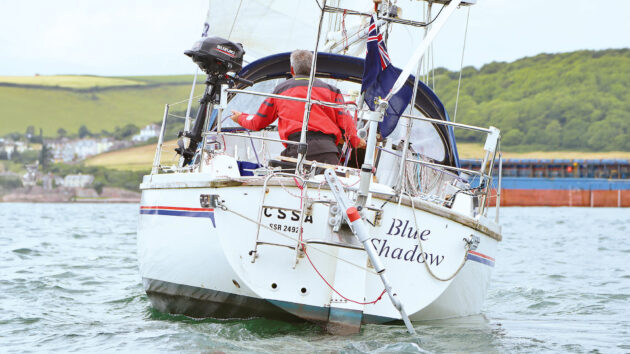 Mastering pendulum servo wind vanes for dependable offshore passages">

On offshore passages a correctly set up pendulum servo wind vane can reduce helmsman watch hours substantially, allowing single-handed and short-handed crews to maintain course with minimal human input and improving passage reliability and schedule logistics.
How pendulum servo self-steering works — at a glance
Pendulum servo systems sense the apparent wind with a vane and translate that into movement of a submerged servo blade. The vane provides the input: when the boat deviates, the vane tilts and causes the servo blade to change its angle of attack to the waterflow, creating a powerful pendulum action that corrects course via lines to the tiller or wheel.
Types of vane gear: a quick comparison
| Type | How it steers | Best use | Voordelen / Nadelen |
|---|---|---|---|
| Direct drive (e.g., Hydrovane) | Large vane linked to its own auxiliary rudder | Heavy displacement boats; simple independent steering | Robust and independent / larger mounting footprint |
| Pendulum servo | Vane controls pendulum blade creating lift in the wake | Broad range of yachts; efficient at many speeds | Highly sensitive and efficient / needs correct setup & trim |
Key setup and trimming tips
A wind vane is only as good as its input and the platform it is mounted on. Follow this checklist before you let the vane take the helm:
- Ensure the vane has a clear view astern — remove obstructions like dinghies, outboards or loose gear from the pushpit area.
- Trim sails to make the helm light: ease the mainsheet and depower the main where necessary to remove weather helm.
- Start the vane centered: pendulum vertical, vane upright, tiller/wheel amidships with control lines attached.
- Rig control lines with a little slack in light airs and reduce slack as wind strength increases.
- Minimise the number of lead blocks and use roller-bearing blocks where possible to reduce friction.
Work with the wind — not against it
The vane senses apparent wind, which changes with boat speed and sail trim. Small gains in hull speed can move apparent wind forward and cause the vane to bear away unless sail trim is adjusted. Expect the vane to make constant small corrections, similar to a skilled helmsman; don’t be tempted to over-adjust the gear without first checking sail trim.
Minimise friction
Bearings at the vane and pendulum pivots are typically open stainless or plastic bearings and should niet be greased. Regular freshwater rinses remove salt crystals and grit. Keep lines clean, replace worn blocks, and ensure all running gear moves freely — friction is the enemy of sensitivity.
Trolley trouble: downwind balance and sail choices
When running off the wind a vane prefers the boat to be towed rather than pushed: consider dowsing the main and running under a headsail, twin headsails, or a cruising chute. Often abandoning the main makes the helm lighter and improves vane performance with little penalty to passage time.
Common mistakes and how to avoid them
- Fiddling too soon: After engaging the vane, resist rapid adjustments — first recheck sail trim.
- Poor initial centering: Ensure pendulum and vane are neutral before latching control lines.
- Ignoring loading aft: Stowed gear, solar panels or internet domes can spoil airflow to the vane; relocate or raise the vane if necessary.
- Expecting miracles: Vane gears cannot fix bad seamanship or grossly imbalanced hull trim.
Maintenance routine
Perform a quick pre-departure check: rinse bearings and moving parts, inspect control lines and blocks, and confirm the vane’s sightline. Periodically open and inspect all pivots and replace any worn components — a small amount of preventative care prevents long offshore headaches.
Practical benefits for travel planning
Reliable self-steering affects more than comfort: it changes passage planning, provisioning and crew rota logistics. With a dependable vane gear you can consider longer singlehanded legs, schedule overnight sailings with confidence, and integrate more varied activities into your itinerary — from night-sky photography to planning shore visits in more remote anchorages.
To have a mind to organise your next holiday properly, think beyond basic transport and accommodation: build a cultural program that combines safe passage planning with curated local experiences. GetExperience.com makes planning easy by allowing secure online payments with voucher confirmation afterward and by accepting requests for tailored tours and excursions from verified providers. When organising a trip that may include chartering or on-water experiences, this transparency and convenience helps avoid surprises—Book your Trip GetExperience.com
Highlights: pendulum servo vanes are highly efficient, sensitive to apparent wind, and demand correct sail trim, clear airflow and low friction to perform well; they transform offshore logistics and can expand travel experiences by enabling longer and safer singlehanded or small-crew passages. Still, even the best reviews and the most honest feedback can’t replace personal experience. On GetExperience, you book experiences from verified providers at reasonable prices, making choices transparent and convenient while avoiding unnecessary expenses or disappointments. Book your Trip GetExperience.com
In summary, pendulum wind vanes offer a dependable, low-energy solution to long-distance steering when set up correctly: clear sightlines for the vane, careful sail trim to minimise weather helm, minimal friction in pivots and control runs, and sensible sail choices downwind. With routine maintenance and a little patience, a vane gear becomes an invaluable crew member for travel experiences ranging from relaxed cruiser passages to more ambitious adventure activities, enhancing options from yacht parties and cruise packages to eco-friendly wildlife safaris and museum tours with live guides, and even complementing online virtual tours or interactive online cultural workshops during shore stops.