


 Nederlands
  English (UK)
  Русский
  বাংলা
বাংলা  العربية
  日本語
日本語  한국어
한국어  Magyar
  Norsk nynorsk
  Türkçe
  עִבְרִית
  Español
  Čeština
  Svenska
  Português
  Ελληνικά
  Suomi
Suomi  Română
  Italiano
  Français
  Polski
  Українська
  Deutsch
  简体中文
简体中文  Slovenčina
  Српски језик
  اردو
اردو  Azərbaycan dili
  O‘zbekcha
  አማርኛ
አማርኛ 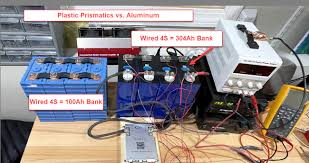 How Victron-based LiFePO4 cycle tests reveal real endurance for marine batteries">

Battery cycling on board: a practical marine power setup
On a coastal cruising yacht the difference between returning to port and continuing a multi-day charter often comes down to a 460 Ah LiFePO4 energy bank and the efficiency of its charge/discharge control. Using two Victron Orion XS DC–DC converters to transfer energy between a large energy storage battery and the test battery, with a 300 A SmartShunt for energy accounting and a Cerbo GX for monitoring, makes it possible to perform repeatable cycle testing without wasting kilowatt‑hours as heat.
Test architecture and automation
The automated rig redirects current from the 460 Ah pack to the subject LiFePO4 cell for discharge cycles and then reverses the flow for charging. A Cerbo GX running Venus OS hosts Node-Red, the Node-Red dashboard and SignalK Server, which together orchestrate every cycle and log data in real time. This approach avoids resistive load heat loss, saving electricity and reducing HVAC load in a workshop or enclosed engine room—an important operational concern for charter fleets and liveaboard vessels.
Why this matters for tourism operators
For operators of charter yachts, dive boats or expedition vessels, the ability to predict battery life and usable capacity directly impacts scheduling, safety margins, and the need for shore power stops. Practical cycle testing under realistic vessel charge/discharge patterns yields more actionable numbers than vendor cycle ratings expressed under idealized lab conditions.
Test parameters and definitions
Because standards vary, the following parameters were chosen as the most influential for meaningful comparisons: depth of discharge (DoD), charge and discharge rates (C‑rates), and the end‑of‑life (EoL) criterion used to define when a battery has reached its useful life.
| Parameter | Value or approach | Reason |
|---|---|---|
| Depth of Discharge (DoD) | 80% typical; varied to compare | Reflects common cruising usage and reserve planning |
| Charge/Discharge Rate | 0.2–1C variable | Simulates alternator, inverter loads and shore charging |
| End of Life (EoL) | 80% of original capacity | Industry‑common benchmark for replacement decisions |
Typical test flow
- Initialize battery to 100% SOC and log baseline capacity.
- Discharge to target DoD using Orion XS while logging SmartShunt current/energy.
- Charge at selected C‑rate back to full using the reverse Orion XS configuration.
- Repeat automated cycles under Node-Red control and monitor temperature, voltage, and cumulative amp-hours.
Findings and practical takeaways
Preliminary testing shows that vendor cycle ratings—commonly quoted between 2,000 and 6,000 cycles for LiFePO4—are dependent on the specific test protocol (DoD, temperature, C‑rate). In marine contexts with mixed loads, moderate DoD and conservative charge rates, the cells tend toward longevity consistent with vendor claims, but real operational factors like temperature swings, charging source variability, and occasional deep discharges materially affect calendar life.
Implications for boat owners and tour operators
Planning for power on day‑charters, multi‑day cruises, or expedition trips should include conservative usable capacity margins and monitoring. Fitting a rig similar to the test setup (Victron components, SmartShunt, Cerbo GX) or working with service providers who can validate system performance reduces the risk of mid‑trip power shortfalls and helps avoid unnecessary battery replacements.
At a glance, the most actionable measures are: maintain moderate DoD, keep charge rates within recommended limits for the cells, and use system monitoring for trend analysis rather than trusting a single cycle rating number.
On GetExperience, you book your experience from verified providers at reasonable prices. This empowers you to make the most informed decision without unnecessary expenses or disappointments while planning trips that depend on reliable onboard power—whether for yacht parties, dive charters, or eco‑safari cruises. Get the best offers GetExperience.com
In summary, realistic LiFePO4 cycle testing requires an automated, low‑loss rig and clearly defined DoD, C‑rates, and EoL criteria. For marine tourism and private cruising alike, the combination of proper monitoring hardware (Victron Orion XS, SmartShunt, Cerbo GX) and conservative operational practices yields the best balance of longevity and performance. Properly tested systems support better travel experiences, safer adventure activities, reliable yacht parties and cruise packages, and open the door to museum tours with live guides or eco-friendly wildlife safaris that depend on steady onboard power for extended itineraries. Book smart and plan around verified data for the most satisfying results.