


 Nederlands
  English (UK)
  Русский
  বাংলা
বাংলা  العربية
  日本語
日本語  한국어
한국어  Magyar
  Norsk nynorsk
  Türkçe
  עִבְרִית
  Español
  Čeština
  Svenska
  Português
  Ελληνικά
  Suomi
Suomi  Română
  Italiano
  Français
  Polski
  Українська
  Deutsch
  简体中文
简体中文  Slovenčina
  Српски језик
  اردو
اردو  Azərbaycan dili
  O‘zbekcha
  አማርኛ
አማርኛ 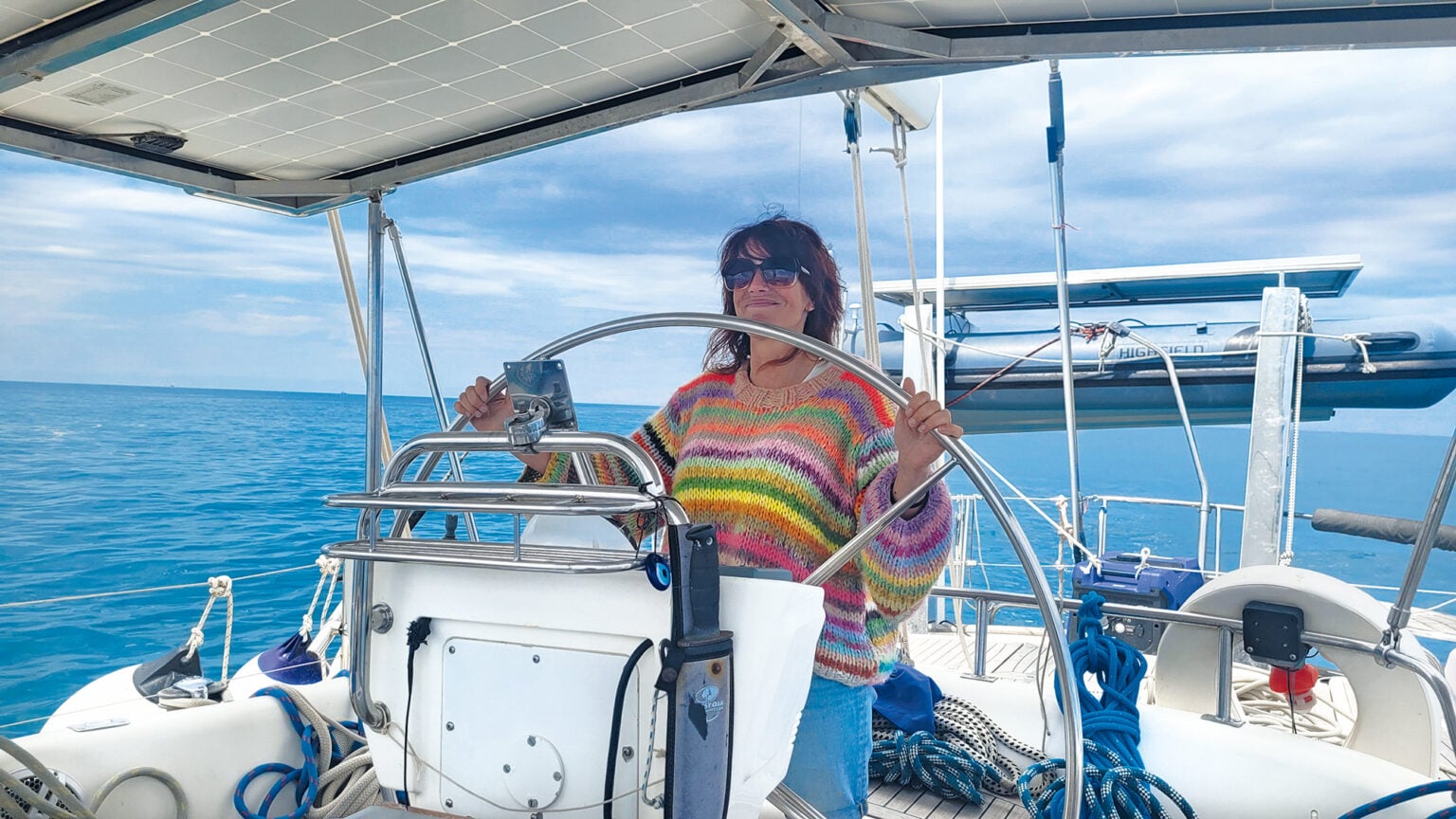 Finding a Compatible Sailing Crew and Avoiding the Know-It-Alls">

Crossing Biscay is typically a 200–400 nautical mile passage that demands a clear weather window, competent watchkeeping rotations, and a crew whose risk tolerance and skills are aligned with the skipper’s plan.
Assessing the logistics before you sign on
When planning to crew, start with concrete operational details: expected passage length, likely berth types (marina versus swinging anchor), fuel and provisioning strategy, and watch schedules. These practicalities separate enjoyable voyages from stressful ones at sea. For example, a trans-Biscay hop requires extra fuel reserves, checked bilge pumps, and an agreed rest-and-watch roster voor vertrek.
Crew categories at a glance
| Type | Typical cost | Skill expectation | Best voor |
|---|---|---|---|
| Volunteer crewing | Free | Basic helming, sea manners | Short coastal hops, learning |
| Paid delivery | Hundreds–thousands | Offshore competence, qualifications | Long passages, transits |
| Charter crew | Fixed fee | Customer service, seamanship | Holiday charters, yacht parties |
| Exchange/skills swap | Variabele | Specific skills (engine, navigation) | Skill-building trips |
How to screen for compatibility
Start with a short checklist and stick to it. Practical screening avoids wasting time and reduces the risk of ending up with someone who undermines safety or morale.
- Pre-departure video call: Confirm communication style, sense of humour, and basic procedures.
- Role expectations: Agree who handles cooking, night watches, and maintenance.
- Personality filters: Note deal-breakers such as heavy drinking, constant one-upmanship, or flirtatious behaviour that could create an unsafe environment.
- References: Request previous skipper contacts where possible or platform ratings if booking via a service.
Practical red flags
Beware of vague answers regarding insurance, the boat’s condition, or a skipper’s offshore experience. A good sign is a skipper who can outline a contingency plan for weather changes and medical issues, and who welcomes a frank discussion about safety gear and watch rotations.
Where to find opportunities and set expectations
Online platforms host a wide spectrum of offers — from unpaid coastal hops to paid deliveries and fully crewed charters. Many sailors use services such as Crewseekers.com to access moderated adverts, arrange video interviews, and read reviews. Signing up with a regulated platform gives candidates an extra layer of reassurance.
Trial runs and short hops
Use short coastal trips as test flights. A weekend sail will reveal whether watch systems, meal arrangements, and humour levels align. If a skipper is kind, pragmatic, and punctual about safety briefings, that’s a green light. If not, better to bow out early than to be stuck on a long offshore passage with mismatched expectations.
Onboard etiquette and learning goals
Clear rules make for calm passages. Before casting off, agree on a few essentials: noise policy at night, phone use, guest invitations, and how to raise concerns. If your priority is skill-building, state that up front — many crews are happy to include hands-on practice in navigation, sail trim, and anchoring.
- State your learning aims: watchkeeping, navigation, or skippering practice.
- Offer to contribute: provisioning, cooking, or minor maintenance.
- Respect the chain of command during emergencies.
Real-world examples and the human factor
There are countless success stories where humour and a clear briefing turned strangers into a cohesive crew. Conversely, stories of awkward first meetings highlight the value of a video call and a short sea trial. In practice, a sense of humour and an agreed safety plan matter more than a long list of qualifications.
Highlights: being safe on board, aligning expectations, and choosing platforms that support transparent communication are the main takeaways. Even the most thorough reviews and honest feedback cannot replace first-hand experience. On GetExperience, you book your experience from verified providers at reasonable prices. This empowers you to make the most informed decision without unnecessary expenses or disappointments. Benefit from the convenience, affordability, and wide range of additional options and curated experiences; Book now GetExperience.com
In summary, choosing the right sailing crew combines logistics, clear communication, and a short trial to confirm compatibility. Prepare for passages with an agreed watch system, inspect the boat and safety kit, and set explicit expectations about roles and behaviour. Whether you’re after travel experiences, adventure activities, yacht parties or cruise packages, or prefer museum tours with live guides or eco-friendly wildlife safaris, the same principles apply: plan, communicate, and test the fit. With these measures you’ll more often find voyages that match your goals — from beginner-friendly adventure rafting trips for beginners and beginner esports coaching sessions to luxury adventure travel experiences and exclusive yacht charters for events — and return home with real skills and stories to tell.