


 Nederlands
  English (UK)
  Русский
  বাংলা
বাংলা  العربية
  日本語
日本語  한국어
한국어  Magyar
  Norsk nynorsk
  Türkçe
  עִבְרִית
  Español
  Čeština
  Svenska
  Português
  Ελληνικά
  Suomi
Suomi  Română
  Italiano
  Français
  Polski
  Українська
  Deutsch
  简体中文
简体中文  Slovenčina
  Српски језик
  اردو
اردو  Azərbaycan dili
  O‘zbekcha
  አማርኛ
አማርኛ 
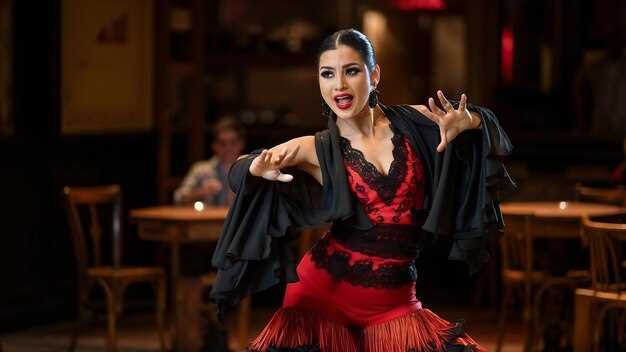
Flamenco is more than just a dance; it’s a cultural tapestry woven from centuries of history, emotion, and artistry. In the picturesque neighborhoods of Spain, particularly in cities like Sevilla and Valencia, this vibrant form of expression takes center stage, captivating both locals and tourists alike. From the moment you arrive at a cozy theater or an outdoor plaza, the magical atmosphere envelops you, as the beats of palosanto and the strumming of guitars create an irresistible pull into this world of passion.
As you plan your evening, it’s important to understand that flamenco performances differ widely based on the venue, the time of year, and the style of the show. For the best experience, consider arriving early to secure your seats, especially if you want to witness a professional performance by some of Spain’s finest dancers. Each show offers a unique fusion of movement, characterized by the expressive footwork and intricate hand gestures that define flamenco. Whether you prefer the intensity of a traditional performance or the flair of contemporary interpretations, there’s something for everyone.
As you indulge in the sights and sounds of flamenco, don’t forget to savor the local cuisine. Many venues offer delectable tapas and an extensive selection of wine and beer, enhancing your experience as you soak in the rhythm of the dance. Special performances often include affordable or even free shows on Wednesdays and Saturdays, providing a great opportunity for families and tourists to immerse themselves in this cultural phenomenon without breaking the bank. With these tips in mind, let your journey into the world of flamenco become an unforgettable getaway.
Understanding Flamenco Performance
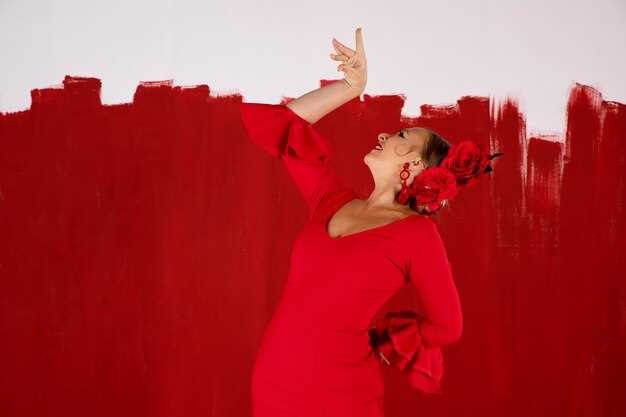
Flamenco performance is a vibrant fusion of music, dance, and song, rooted deeply in the cultural heritage of Spain. The art form is characterized by passionate expressions and intricate rhythms, captivating audiences in venues from the picturesque streets of Marbella to the lively stages of Granada. Each performance typically includes a repertoire of traditional dances, where performers showcase their artistic talents through movement and emotional storytelling. It’s more than just a show; it’s an experience that resonates on multiple levels, often leaving spectators with a sense of connection to the artists and their culture.
One may wonder about the essential elements that constitute a flamenco performance. Guitarists and singers usually accompany dancers, providing a rich musical backdrop that intensifies the atmosphere. The duration of performances can vary, typically ranging from an hour to several hours, and may occur in various settings, such as intimate bars or grand theaters. On special Saturdays or Wednesdays, flamenco shows might offer package deals that include wine tasting or dinner options, enhancing the overall experience. Booking in advance is often recommended to secure the best seats available, as interest in these performances continues to grow.
For those who may need accommodations, many flamenco venues are wheelchair accessible, ensuring that everyone can enjoy the art form. While some productions might cater to larger audiences, there are also small, intimate gatherings that allow viewers to feel the raw emotion of the dance closely. In cities such as Bilbao, Gijón, and Córdoba, various flamenco shows can be easily scheduled into your travel plans. The combination of culture and art in these performances offers a unique insight into Spain’s historic landscape, attracting locals and tourists alike.
Ultimately, whether you’re watching a performance in a bustling city or a quiet village, flamenco is a must-see for anyone interested in the artistic offerings of Spain. The emotional intensity and creativity of the dancers seamlessly blend with the intricate melodies of the guitar and the powerful vocals of the cantaor, creating a magical atmosphere that is both engaging and unforgettable. The art of flamenco is constantly evolving, incorporating elements from different genres, allowing new artists to redefine their craft while honoring tradition. This dynamic nature of flamenco not only keeps the performances fresh but also invites other forms of artistic expression into the fold, ensuring its relevance for generations to come.
Origins and History of Flamenco
Flamenco has deep roots in the cultural tapestry of Spain, characterized by passionate performances that combine song, guitar, and intricate footwork. The origins of this art form can be traced back to the Andalusian region in the early 18th century, particularly around cities like Granada and Alicante. It evolved from various influences, including the musical traditions of the Romani people, Moorish melodies, and even Sephardic Jewish music. Over time, local cultures intermingled, creating a unique and intense art form that resonates strongly with Spanish identity.
The essence of flamenco lies in its “palos,” or styles, which differ significantly from one another. Performers often choose from a variety of palos that reflect a range of emotions and themes. For instance, the vibrant “soleá” embodies a more contemplative mood, while the lively “alegrías” focuses on joy and celebration. Each performance transports the audience into a magical atmosphere, allowing them to immerse themselves in the art form. Whether one is watching a show in a traditional tablao or a more contemporary theater, the experience is unforgettable and transformative.
| Palos | Kenmerken |
|---|---|
| Soleá | Reflective and slow-paced |
| Alegrías | Joyful and uplifting |
| Bulerías | Fast-paced and energetic |
Throughout the years, flamenco has evolved into a thriving circuit of performances across Spain and internationally, with tickets often in high demand. Cities like Valencia and Turia have embraced this tradition, hosting events that showcase both professional and emerging artists. The vibrant culture surrounding flamenco offers wellness retreats that include private massage sessions and specialized workshops where attendees can hone their skills. As flamenco continues to gain recognition, it remains close to its roots, ensuring that every show, like “Carmen,” retains its soulful authenticity while appealing to modern audiences.
Key Elements of Flamenco Style
Flamenco is an intricate dance form that originates from the Andalusian culture of Spain. This art form is characterized by its intense emotional expression and a fusion of various musical styles. Each performance is a unique package that includes singing, guitar playing, dance, and often, handclapping and finger snapping. This combination creates an atmosphere that captivates audiences and draws them into its rich narrative. The expressive character of Flamenco will definitely vary between performances, as each artist brings their personal flair to the tradition.
The dance style itself features a range of different tempos and moods, exhibiting the depth of emotion that Flamenco is known for. Footwork is a fundamental component, with dancers often displaying intricate patterns that resonate with the rhythms produced by the guitar and the accompanying music. The varied types of attire worn during performances also play a significant role in expressing the culture and identity of Flamenco. These outfits, often colorful and flamboyant, add visual drama and richness to each performance, reminiscent of traditional Spanish heritage.
Additionally, Flamenco performances are known for their casual yet punctual nature. Local theaters in towns like Madrid and Valencia often schedule shows that allow audience members to experience the authenticity of this culture. Attendees can choose to enjoy their evening over a glass of Spanish wine, immersing themselves into the vibrant atmosphere. The connection between performer and audience is crucial, creating an interactive experience that distinguishes Flamenco from other dance styles.
Regional influences are also significant in defining Flamenco’s varied repertoire. For instance, dances from the northern regions, such as those found in Galicia and the Canary Islands, have their distinct styles, while those from southern towns, like Vigo, may showcase a more intense and dramatic flair. Online platforms now offer insights and tutorials, providing tips for both casual viewers and aspiring dancers looking to train in this passionate art form.
Ultimately, the beauty of Flamenco lies in its adaptability, as it continues to evolve while retaining its essence. This includes potential blends with other forms of dance or music, such as jazz or contemporary styles, allowing performers to innovate. At the heart of each performance is a storytelling element, often depicting themes of love, hardship, or celebration that resonates deeply with audiences across the international stage.
In summary, Flamenco is a multifaceted cultural experience that combines music, dance, and ensemble performance into a captivating showcase of passion. The harmonies of guitar, the rhythms of dance, and the emotions conveyed through song create a rich tapestry. Whether one is enjoying a casual evening in a local theater or witnessing a grand performance, the intense essence of Flamenco will undoubtedly leave a lasting impression, bridging the gap between tradition and modernity.
Different Types of Flamenco Dance
Flamenco dance is a vibrant expression of Spanish culture, encompassing various styles that showcase the passionate spirit of its performers. The dance is often divided into distinct forms, each with its own unique rhythms and techniques. For instance, the “Soleá” stands out as a deeply emotional dance, focusing on expressing sorrow and loneliness, while “Bulerías” offers a more lively and festive atmosphere, characterized by its rapid footwork and intricate clapping. There are also interpretations like “Farruca,” traditionally performed by men, which combines strength and grace in a magnificent display, making it an exciting addition to any flamenco show.
In towns like Córdoba and Madrid, you can experience scheduled performances that showcase the beautiful mixture of styles. Some flamenco dances specifically emphasize the lines of the body, with stunning dresses that flow gracefully during the performance. Those looking to immerse themselves in this culture can buy packages that offer a combination of flamenco dancing lessons and shows, ensuring a full appreciation of the art. On weekends, many venues along Calle Carman organize free showcases, providing an excellent opportunity for newcomers to feel the rhythms of flamenco without any fixed commitment. Whether you are performing in a theatre or seated comfortably in a town square, flamenco will undoubtedly make your heart sail with its passionate and energetic essence.
Musical Components in Flamenco
Flamenco is a passionate expression of culture, combining various musical elements that define its rich sound. At its core, flamenco incorporates the guitarra (guitar), cante (singing), and baile (dance), creating a magical experience for the audience. Each performance offers a unique mixture of different “palos,” the diverse styles of flamenco that can vary in rhythm, mood, and structure. For instance, the strong and intense “soleá,” which conveys deep emotion, contrasts with the lively playful character of “alegrías.” Audiences can immerse themselves in these intricate components during performances scheduled across towns like Gijón, Barcelona, and Vigo.
These performances are usually held in venues that enhance the overall experience, offering not just the music but also the vibrant costumes and passionate gestures of the performers. Attending flamenco shows allows the audience to see the combination of voice and guitar, each note seemingly dancing in harmony with the movements on stage. You can choose your specific options for a full evening, with many workshops available to dive deeper into these art forms. Whether it’s a free show during the summer season or a specialized event in cultural landmarks, flamenco definitely offers something for every taste. Make sure to schedule your getaway accordingly and look forward to a night that includes everything from parascending rides to the flashes of creativity presented on stage. It’s a full experience that will stay with you long after the curtain falls.