


 Nederlands
  English (UK)
  Русский
  বাংলা
বাংলা  العربية
  日本語
日本語  한국어
한국어  Magyar
  Norsk nynorsk
  Türkçe
  עִבְרִית
  Español
  Čeština
  Svenska
  Português
  Ελληνικά
  Suomi
Suomi  Română
  Italiano
  Français
  Polski
  Українська
  Deutsch
  简体中文
简体中文  Slovenčina
  Српски језик
  اردو
اردو  Azərbaycan dili
  O‘zbekcha
  አማርኛ
አማርኛ 
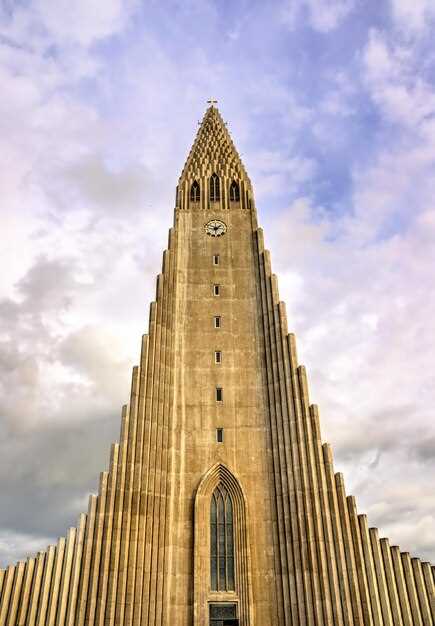
The grandeur of St Stephen’s Cathedral captivates visitors from around the world, making it a must-see spot in the heart of Vienna. This imposing structure, with its intricate gotisch elements and stunning barok features, stands as a testament to the rich history of Austria. As you approach the cathedral, you can’t help but be drawn in by its majestic architecture, which has been a focal point of the city since its opening in the 12th century. For many, this landmark symbolizes not only the religious significance of the area but also the artistic brilliance of a bygone era.
Exploration of St Stephen’s Cathedral is particularly engaging, as each part of the building tells a story that has withstood the test of time. From the impressive altar to the ornate ceilings, visitors can marvel at the craftsmanship that has remained intact through centuries. The cathedral serves not only as a place of worship but also as a national landmark, often included in tours alongside other historic sites like Schönbrunn Palace and bustling Vienna markets. This combination of history and beauty makes St Stephen’s Cathedral a true highlight for anyone wanting to explore the rich cultural tapestry of the area.
As you plan your visit, consider taking advantage of the various ticketed tours and museum access available. These options often include the chance to attend concerts, where the likes of Mozart once performed, thereby elevating your experience to new heights. Whether you’re stopping by for a quick visit or embarking on a full-day exploration, the cathedral is sure to leave an indelible mark on your journey through Vienna. With many opportunities for breathtaking views and historical exploration, St Stephen’s Cathedral remains a vital spot in any itinerary, making it worthwhile for every visitor to experience its splendor firsthand.
The Portal of the Giants and the Pagan Towers
The Portal of the Giants is an extraordinary entrance to St. Stephen’s Cathedral, showcasing fascinating architectural details that depict the innovative spirit of the time. This grand portal welcomes millions of visitors each year, who eagerly cross its threshold to explore the splendor that lies within the cathedral. The portal is not only a gateway but also a prominent example of religious architecture, intertwining intricate designs with spiritual symbolism.
Above the portal, the Pagan Towers rise high above the city, representing a blend of Gothic and Romanesque styles. These twin towers are the most recognizable features of the cathedral’s skyline and provide panoramic views of the nearby city. The towers, with their steep ascent, make for an exhilarating climb, rewarding visitors with stunning vistas of rooftops and the surrounding landscape.
As you approach the portal, you’ll notice the intricate mosaics and stained glass that adorn the surrounding walls, full of vibrant colors and stories from both the religious and historical realms. This combination of artwork not only enhances the beauty of the entrance but also serves as a visual narrative that tells tales of faith, community, and perseverance through time.
Inside the cathedral, the crypts offer a glimpse into the past, housing tombs and memorials that reflect the city’s rich history. This area remains a place of fascination for many, making it an option for those curious about the legacies of previous members of the clergy and notable figures. Here, the contrasts between light and darkness convey a sense of peace and reverence.
Both the portal and the towers serve as reminders of the significant events that shaped the cathedral’s history, including when it survived the catastrophic fire and periods of the plague. These structures remind you that the cathedral has stood the test of time, witnessing countless transformations and developments in the city’s life.
Children often find themselves mesmerized by the intriguing stories behind each architectural feature they encounter while visiting. The enchanting details, including the double-headed eagle and various other motifs, spark their imagination and encourage them to learn more about legends tied to the building.
Today, the Portal of the Giants and the Pagan Towers stand as iconic symbols of Vienna’s heritage, cherished by both locals and tourists. Securing a ticket for this remarkable experience gives visitors the chance to delve into the heart of one of the world’s most remarkable cathedrals. If you embark on this adventure, prepare to be captivated by the seamless integration of history and artistry encapsulated within its hallowed walls.
What Makes the Portal of the Giants Unique?
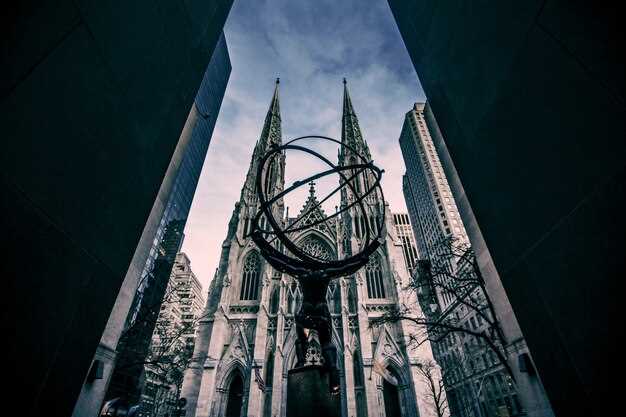
The Portal of the Giants at St Stephen’s Cathedral is a fascinating structure that blends historical value with stunning architectural design. This entry point is not just a passage; it serves as a storytelling canvas, depicting biblical scenes and figures that date back to its construction in the 13th century. When you stop to admire the double-headed figures and beautifully carved details, you’ll discover why this spot is deemed a permanent highlight of the city. It represents a significant combination of artistry and faith, acting as both a welcome mat for tourists and a symbol of Austrian heritage. The soaring windows above create a breathtaking view, enhancing the church’s atmosphere, particularly when illuminated by sunlight during special occasions.
Additionally, the Portal of the Giants is also a key access point for visitors arriving by buses to Stephansplatz, making it an important hub for tourists exploring Vienna today. As a major entryway, it accommodates millions of guests each year, who come to appreciate not only the stunning architecture but also the comprehensive historical narratives woven into its design. The organ concerts held within the cathedral often feature compositions that echo the splendid acoustics of this remarkable structure, providing an auditory experience suited for both adults and children. This unique portal is a must-see when you take a trip to Vienna, as it easily captures the essence of the city’s rich past while continuing to function as an integral part of the church’s life.
Understanding the Symbolism Behind the Pagan Towers
The Pagan Towers of St Stephen’s Cathedral stand as a remarkable representation of Vienna’s rich architectural history, embodying the city’s blend of religious reverence and artistic ambition. These spires serve a dual purpose–functioning as both a beacon of faith and a stunning landmark that links visitors to the past. Their Gothic design and intricate details capture the imagination, creating an indissoluble connection between the building and its historical significance.
Situated strategically in the heart of the capital, these towers are not merely decorative; they are integral to understanding the cathedral’s overall symbolism. The countless spires, rising majestically above the rooftops of Vienna, are reminiscent of a time when the church was a central authority in the lives of the people. Each tower can be seen as a vertical link between the earthly realm and the divine, emphasizing the aspiration of the faithful to reach the heavens.
For millions of tourists each year, the Pagan Towers are unforgettable sights. Visitors can easily enjoy a self-guided outing, taking the time to explore the extraordinary details from a vantage point at the top of the towers. A 30-minute panoramic view allows them to comprehend the sheer scale of Vienna’s historic skyline, where the spires of St Stephen’s Cathedral compete with other notable churches, creating a spectacular backdrop.
When taking a guided tour, participants often encounter the extensive history woven into the fabric of the cathedral design. Detailed explanations about the towers’ symbolism, including their connection to paganism, resonate throughout the tour, creating a comprehensive understanding of the building’s significance. The guiding narrative often includes fascinating stories about figures like Mozart, who found inspiration in the very shadows of these icons.
The colorful tiled roofs of the towers also contribute to their overall appeal, capturing the eye with an array of vibrant hues that reflect the changing light of the day. They serve as a reminder of the city’s vibrant past and its ever-evolving culture. Additionally, atop each tower, relics of history remain visible, offering reminders of the Catholic Church’s enduring presence, while simultaneously attracting those with interests in pagan beliefs.
As visitors explore the viewpoints and market areas below, they discover the various shops and cafes that add to the ambiance of Stephansplatz. Options for experiencing the cathedral vary, and many often include a visit to the iconic Steffl. Regardless of the chosen path, each exploration of the Pagan Towers reinforces the essence of Vienna, providing a deeper appreciation for a building steeped in both historical and architectural marvels.
How to Reach St Stephen’s Cathedral: Location and Accessibility
Located in the heart of Vienna, St Stephen’s Cathedral is easily accessible for visitors arriving by various modes of transportation. The cathedral is situated at Stephansplatz, making it a central landmark in Austria’s capital city. For those traveling by public transport, the U1 and U3 subway lines offer direct access to Stephansplatz station. Additionally, numerous tram and bus lines connect the surrounding areas, providing further convenience for visitors interested in exploring the nearby sights.
Walking to the cathedral can be a delightful experience, as it allows visitors to admire the surrounding medieval architecture along the way. For those coming from the city center, it’s only a short stroll of about ten minutes from popular locations. As you approach the building, the spectacular towers and spires come into view, enhancing the sense of anticipation. Families with children can also enjoy the experience, as engaging guided tours are available, ensuring that everyone gains knowledge about the cathedral’s rich history and architectural significance.
While climbing the steps to the cathedral’s observation platform may be a bit challenging, it is certainly worth the effort. The view from above reveals the true height and majesty of the structure, dating back to the 12th century. For avid visitors looking to explore more, a ticketed entrance for accessing the towers is available. This unique perspective allows for a stunning overlook of Vienna and provides insight into centuries of history that have shaped the surrounding neighborhood.
Within the cathedral, visitors can find several altars and significant artworks depicting the origins of Christianity and pagan traditions, making the interior a treasure trove for keen observers. Knowledgeable guides are available for those who wish to dive deeper into the stories behind the intricate details of this former ducal church, which remains one of Vienna’s largest and most important monuments. Each visit is an opportunity to revisit the past and appreciate the artistry that has attracted millions over the years.
Guided Tours: What to Expect During Your Visit
When you first step into St Stephen’s Cathedral, the imposing Gothic architecture instantly captures your attention. Guided tours arranged at various times throughout the day offer a flexible way to explore this historical marvel. Each tour provides access to the stunning features of the cathedral, including its soaring spires and magnificent stained glass windows. Tickets for these guided experiences are available at the front of the building, making it easy for both families and solo travelers to join in.
During your visit, expert guides share their knowledge of the Vienna’s rich history, shedding light on important occasions that have taken place within these walls. You’ll learn about the cathedral’s medieval roots, from its underground crypts to the impressive towers that dominate the town’s skyline. Make sure to ask questions, as the guides are eager to share stories that connect you with the past, including fascinating details about famous personalities like Mozart, who performed concerts in the vicinity.
As the tour progresses, you’ll stop to review key architectural elements that illustrate the harmony between the old buildings and the modern market square outside. Whether you’re there early in the morning or during special events, the guided experience allows you to freely explore while also receiving historical insights. It’s an ideal way to make the most out of your visit, ensuring that you leave with a deeper appreciation for both the artistry and significance of this stunning cathedral.