


 Nederlands
  English (UK)
  Русский
  বাংলা
বাংলা  العربية
  日本語
日本語  한국어
한국어  Magyar
  Norsk nynorsk
  Türkçe
  עִבְרִית
  Español
  Čeština
  Svenska
  Português
  Ελληνικά
  Suomi
Suomi  Română
  Italiano
  Français
  Polski
  Українська
  Deutsch
  简体中文
简体中文  Slovenčina
  Српски језик
  اردو
اردو  Azərbaycan dili
  O‘zbekcha
  አማርኛ
አማርኛ 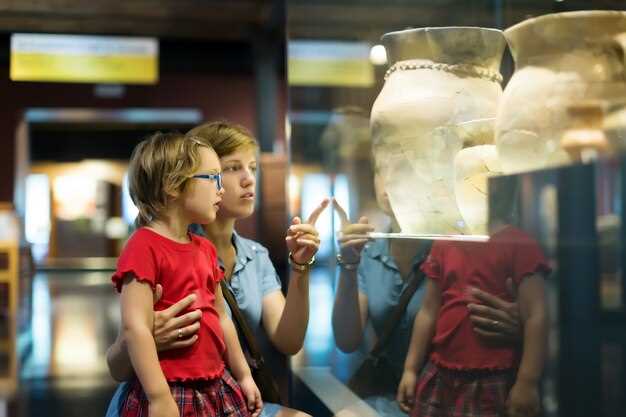 8 Kunsttentoonstellingen Waarvoor je Dit Jaar Zou Moeten Reizen – Must-See Internationale Kunstshows">
Bezoek ikono en hun titelloze installatie in Berlijn en boek je reis eromheen. Deze veldgerichte ervaring introduceert een dialoog tussen 20e-eeuwse referenties en hedendaagse methoden, en tijdens één enkel bezoek ontmoet je kunstwerken die intiem maar toch omvangrijk aanvoelen, aangeboden door een netwerk van musea en hun instellingen.
In Tokio presenteert het Mori Building Digital Art Museum bewegingsgevoelig kamers die reageren op de bewegingen van bezoekers, waardoor een vloeiend veld van licht en kleur ontstaat. Trek ongeveer 90 minuten uit om vijf galeriezones te doorkruisen; de omgevingen zijn digitaal geproduceerd en verschuift terwijl je je verplaatst, wat een intense, meeslepende ervaring oplevert. Verwacht tickets van ongeveer €25–€35, met een hogere vraag in het weekend.
In New York combineert MoMA meesterwerken uit de 20e eeuw met hedendaagse digitale stukken verspreid over drie verdiepingen, en presenteert ongeveer 40 kunstwerken. Verschillende installaties nodigen uit tot nauwkeurige observatie en eenvoudige participatie van bezoekers, waarbij ze worden uitgenodigd om waar mogelijk met de stukken te interageren. Als u van plan bent om meerdere locaties in de omgeving te bezoeken, reserveer dan 2-3 uur voor dit blok van de route.
Het Londense Tate Modern is het ankerpunt van een overzichtstentoonstelling die het naoorlogse experimenteren in schilderkunst, beeldhouwkunst en media in kaart brengt. De tentoonstelling plaatst realiteiten die verschuiven met licht en geluid op de voorgrond en nodigt je uit om door ruimtes te bewegen die bijna aanvoelen als straten in de stad. Reken op 60–90 minuten voor het hoofdcircuit; wie tijd heeft, kan dat uitbreiden met een koffiepauze of een snelle omweg naar nabijgelegen galerieën.
Het Centre Pompidou in Parijs presenteert een compacte reis van videowerken uit de late 20e eeuw tot actuele digitale installaties, met een focus op hoe instellingen ruimte bieden voor experiment. De indeling beloont aandachtig kijken; de meeste bezoekers besteden 90 minuten tot twee uur, vooral als je pauzeert om de zaalteksten te lezen en langere fragmenten te bekijken.
Het Reina Sofía in Madrid presenteert een dwarsdoorsnede van Europese avant-garde en hedendaagse kunst, inclusief grootschalige installaties waarvoor je door enorme ruimtes moet lopen. De tentoonstelling omvat diverse titelloze werken en onderzoekt hoe realiteiten verschuiven wanneer de kijker zich beweegt door licht en geluid. Plan ongeveer 2 uur in voor een grondige bezichtiging.
In Milaan presenteert Pirelli HangarBicocca een grootschalige installatie die een hal vult en je uitnodigt om door een veld van kunstwerken te bewegen. Het werk combineert licht, geluid en tijdsgebonden media om veranderende realiteiten en een gevoel van aanwezigheid te creëren. Reken op 75–90 minuten voor het circuit en combineer het bezoek met een wandeling door de designwijk.
In Sydney cureert AGNSW meeslepende ervaringen die inheemse en hedendaagse praktijken verbinden en je uitnodigen om actief door de ruimte te bewegen. Het programma biedt een ruimte om na te denken over hoe kunstwerken nieuwe realiteiten realiseren en hoe instellingen de toegang kunnen verbreden. Plan ongeveer 2 uur in voor een bezoek aan de hoofdgalerijen en geniet daarna van een wandeling langs de haven om de dag af te sluiten.
Praktisch planningskader voor het verkennen van de belangrijkste tentoonstellingen van het jaar, plus MAV Ercolano
Plan een vierdaagse route met MAV Ercolano als anker, met twee nabijgelegen locaties ter contrast, en reserveer twee weken van tevoren tijdsloten voor de populairste ruimtes.
Hanteer een vierdelig kader: tijd, locaties, ervaringen en communicatie met galerieën. Wijs voor elke dag één meeslepende tentoonstelling, één ruimte-gebonden installatie en een natuur- of oceaan-thema ruimte toe om tempo en waarnemingen in evenwicht te brengen.
Maak gebruik van projecties van Savills Analytics om de drukte en beschikbare tijdsloten te voorspellen, en pas vervolgens de route aan om piekmomenten tijdens de Korea-exposities en de Picasso-zalen te vermijden. Dit helpt om ervaringen soepel en toegankelijk te houden.
Maak een overzichtelijke routekaart per locatie: begin bij MAV Ercolano, ga verder naar palais, vervolgens oslos, en ten slotte de buiten- of oceaan-thema ruimtes; bouw pauzes van 15–20 minuten in en langere pauzes in kamers met natuurlijk licht. Houd de tijd bij en maak een actuele lijst van de kenmerken van elke kamer om indrukken te vergelijken.
Werk samen met curatoren John en Jenny voor previews, toegang tot interactieve elementen en context die percepties van werken van Picasso en hedendaagse installaties verheldert. Vraag naar behind-the-scenes aantekeningen over hoe interactieve momenten zijn ontworpen.
Tip: neem een compact notitieboekje of apparaat mee om na elke stop snel aantekeningen te maken; gebruik een simpele tabel bij aankomst om de volgorde aan te passen op basis van beschikbare tijden.
| Locatie | Tentoonstelling / Evenement | Duur (min) | Notities |
|---|---|---|---|
| MAV Ercolano | Monumentale Picasso-zalen | 75 | immersief, interacteerbaar; controleer beschikbare plaatsen |
| paleis | Koreaanse Installaties | 60 | populair; vroeg reserveren; sensorische ruimtes |
| Oslo's | Oceaan & Natuurlijke Landschappen | 90 | monumentale schaal; buffer inplannen voor fotostops |
| data hub savills | Analytics-gestuurde Snelgids | 45 | gebruik projecties om de route aan te passen en af te stemmen op de tijd |
Overzicht tentoonstelling: naam, locatie, data en basisinformatie tickets
Koop online tickets met tijdslot om zeker te zijn van toegang en de rij over te slaan op de Tribeca locatie.
- Naam: Letters & Bloom: Normandische scène door Jenny
- Locatie: Tribeca Art House, West Broadway 350, Tribeca, New York
- Data: 12 mei – 21 september 2025; di–zo 10:00–18:00; laatste toegang 17:00; gesloten op maandag
- Basisinformatie ticket: Algemene toegang $22; Studenten/Senioren $14; Kinderen onder 6 gratis; online toegangsticket met tijdslot vereist; groepen van 8+ krijgen 15% korting; wisselende installaties verspreid over 5 zalen; installatie in de buitenplaats dagelijks te bezichtigen
In deze ruimtes combineert de show letters en schilderkunst om een Normandisch tafereel te vormen dat de kijker uitnodigt een weg te volgen door Jenny's visie. De meesterschilder gebruikt spiegelende oppervlakken en zachte kleuren om emoties in de ruimte te reflecteren, waarbij de aandacht van de ene hoek naar de andere wordt geleid. De indeling geeft de voorkeur aan een doorloopervaring in plaats van een enkel op zichzelf staand stuk, en moedigt een dialoog aan tussen het werk en de toeschouwer.
Tips voor een vlot bezoek:
- Boek je tickets online om zeker te zijn van je voorkeurstijd; weekendplekken zijn snel volgeboekt.
- Trek ongeveer 90 minuten uit om alle vijf kamers en het buitenhof te verkennen.
- Bekijk het presentatieschema voor lezingen met internationale kunstenaars; een gast uit Tottenham staat gepland voor een avondsessie.
- Fotograferen is toegestaan zonder flits in de meeste ruimtes; respecteer de afgesloten gebieden tijdens de rondleiding.
Thema Hoogtepunten: kernwerken en waarom ze belangrijk zijn voor reizigers
De gustav-installatie, dit seizoen geopend op de muren van de Boston Garden, presenteert drie verschillende ervaringsgerichte werken die aandachtig kijken en plannen belonen. Gemaakt door een Boston-collectief, verweeft het erfgoedmotieven met maken en nodigt het uit om handgemaakte texturen te verkennen. Het stuk breekt met de conventie door sculptuur, projectie en live geluid te mengen in één buitenomgeving.
Travelers could plan a compact loop: boston, miami, and the walker-space, leaving time for coffee and street music. A short break between stops helps absorb what you see and keeps momentum without fatigue.
-
Gustav installation in Boston: opened on the garden walls, this three-part presentation blends heritage with making, featuring hand-crafted textures and participatory cues. The sequence enhances your sense of place and rewards a 45-minute stroll through murals, sculpture, and ambient music.
-
The walker-space feature: Jasper’s batik textures run along long walls while John’s live music threads through the room. Three zones invite quick interaction and short breaks, turning the space into a social hub with seating and a note wall.
-
Miami digital chapter: large screens project a music-infused narrative that celebrates local craft. The long-form sequence unfolds across outdoor blocks, inviting a lingering experience and easy overlap with nearby cafes and street performances.
-
Outernet and festival notes: the outernet network streams short talks and performances from the society of artists, offering context without a detour. Bring a friend to compare impressions and map the next stops, and celebrate the scene with fellow travelers.
Visit Logistics: hours, closures, transport tips, and accessibility
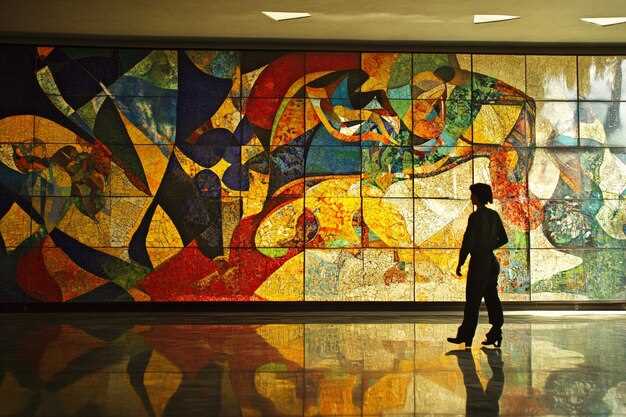
Plan two nearby stops per day and allocate 60-90 minutes per exhibit, plus 15 minutes for transit. This approach suits traveling shows with works across londons venues, in germany, and at the Whitney, combining surrealism, natural installations, and walls-filled displays. Create a quick list of named artists and title keywords to guide you through the parts of the show, so you can spot a piece that uses robots or features a maqam-inspired soundscape.
Theres no substitute for checking official sites 24-48 hours ahead for hours and closures; in july many venues extend late hours, while some close on certain days for maintenance. There are occasional private events that briefly restrict access, so study the entrance locations on a map and note where to start if you’re chasing a specific exhibit. If a program includes emily’s works or death-themed pieces, mark their rooms so you won’t miss them.
Transport tips: use city transit passes and tap-to-pay cards; most galleries cluster near major stations, and a 10-20 minute walk between sites is common. In londons and other hubs, you can group two or three venues in a single route to minimize transfers. For longer multi-city trips, a late-afternoon train keeps you moving efficiently. If you want to preview first, many exhibitions offer virtual previews or maps that show where each wall cluster sits.
Accessibility: venues publish detailed accessibility information and provide step-free entrances or elevators, plus accessible restrooms on each floor. Staff can offer wheelchairs or seating if needed, and captioned videos or audio guides help visitors understand the context. Tactile maps and clearly labeled walls assist navigation, especially in palais-style galleries with wide corridors and prominent works. If you’re planning several stops, confirm where the accessible routes begin so you don’t waste time. Some exhibits, including pieces by ikono or works influenced by maqam motifs, are described in accessible formats to help all visitors enjoy the experience where the art sits.
Itinerary Architecture: crafting an efficient multi-city route
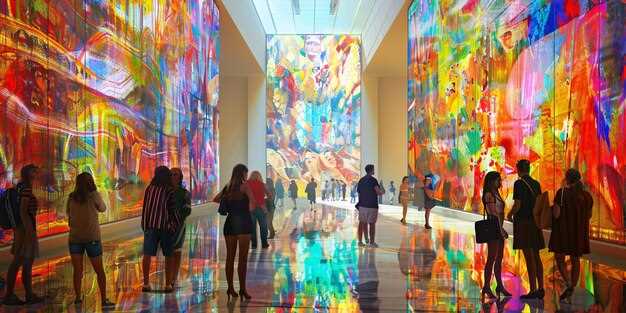
Begin in london with a compact loop: london → paris by Eurostar (about 2h15m), paris → amsterdam by high-speed rail (about 3h20m). Reserve two mornings in each city for a primary exhibit and one afternoon for a nearby participatory project that mirrors city realities. In london, a miró-inspired exhibit sets the tone; in paris, rashid’s intervention engages activism; in amsterdam, hsieh’s collaborative installation adds a participatory layer.
Within each stop, pair a title exhibit with a close-by gallery or artist-run space to deepen the experience. The combination builds a coherent, career-oriented arc for whom exploring art becomes a learn-by-doing process, from school programs to a digital activism piece that invites visitors to contribute. Visiting these sites together introduces a spectrum of voices and prompts a broader reflection on the city and its realities.
Lock in tickets early, use a transit pass when possible, and allow a one-day flex window for weather or last-minute exhibits. The plan keeps the route within a single trip and introduces a practical rhythm that makes visiting multiple cities feel manageable rather than daunting, offering infinite perspectives to explore. It stays light on backtracking, respects busy city realities, and centers on inspiring works–miró, rashid, hsieh–while keeping london as a home base for this itinerary.
MAV Ercolano Focus: what the Virtual Archaeology Museum offers and how to visit on-site
Plan a two-part visit: preview theVirtual Archaeology Museum online, then head to MAV Ercolano for the on-site experience while the memory of the digital tour stays fresh in your view.
The Virtual Archaeology Museum introduces a curated, visual pathway that combines archival images, 3D reconstructions, and short clips. It presents Pavement-level details and wall-scale dioramas, with paintings and photos that bring back scenes from the ancient city in noir-toned tones, inviting you to watch and think about how people lived while you click through the outernet-enabled galleries. The title pieces and associated projected sequences create a compact theatre-like rhythm that mirrors a museum theater, or théêtre, in a city setting.
On-site, walls frame tangible evidence: fresco fragments, carved stones, and replica tools that let you touch the past through touchpoints that feel painter-made. The space introduces a sequence of rooms each built around a mood–calm, tense, reflective–so emotions rise as you view the artifacts. Expect quiet corners for photo notes, then sharper lighting in the theater zone where a short program plays between paintings and objects, with images that captivate and linger. The on-site program often borrows from collaborations, including notes associated with Monkman-like perspectives, and it can offer a compact set of experiences for curious visitors and students alike.
To visit on-site, start with online booking: secure a timed-entry slot and choose whether you want a self-guided path or a curator-led walkthrough. If rain or cold weather hits your travel day, the indoor galleries provide a focused view of the material culture without the outdoor elements. A short walk-through typically lasts 60–90 minutes, after which you can linger in the café or nearby spaces to reflect on the emotional arc of the show, or to review a few additional images and the title piece that often serves as a capstone.
Accessibility and logistics matter: arrive a little early to pick up a map, find the dedicated painter’s corner, and join a small group if a guide is available. The site sits in a walkable area of the city, with a nearby mall where you can refresh after the visit, and several photo-friendly spots to capture the moment. If you want a deeper layer, ask about the outernet download option so you can rewatch key scenes, including a brief musical vignette tied to the night-sky vibe of the space. February-8 sometimes marks a special screening or an additional title rotation, so check the title list ahead of time and plan your watch around the day’s program.
Budget and Access: smart spending on tickets, passes, and lodging
Buy a city-wide pass six weeks before your trip; it replaces buying most single-entry tickets and saves you time and money.
Look for a Salomon convention-style pass that covers the following date window; watch showtimes, and ask staff whom to contact for accessibility or group discounts.
Ticketing and lodging data: typical single-entry tickets range 12-25 USD; passes for multiple venues run 40-90 USD. Lodging near venues averages 120-180 USD per night in peak seasons; a 3-night stay usually totals 360-540 USD. Consider hostels or private rooms to cut nightly costs by 30-50%.
In Boston, the art scene is famously known for its compact layout; staying in Back Bay or the North End lets you walk to several venues and cut transit time. A dedicated itinerary that clusters 2-3 venues per day helps you maximize the date window and watch a mix of performance, talks, and gallery conversations.
To optimize value, prioritize shows with tekeningen en charcoal studies or abstract pieces, as they often feature lower entry fees. The following days bloom with native and international artists, offering participatory experiences and artistic programs for different tastes, including family-friendly activities that involve kinderen en zelfs dans.
theres a plato-inspired discussion on aesthetics and a range of participatory sessions where you can watch and interact. If some programs replace on-site events with virtual options, you can learn from your lodging and still enjoy the atmosphere of the show.
Bottom line: plan ahead, build a goed-considered daily budget, and compare bundles. A compact, well-timed route lets you enjoy performance, tekeningen, and installations without overspending.