


 Nederlands
  English (UK)
  Русский
  বাংলা
বাংলা  العربية
  日本語
日本語  한국어
한국어  Magyar
  Norsk nynorsk
  Türkçe
  עִבְרִית
  Español
  Čeština
  Svenska
  Português
  Ελληνικά
  Suomi
Suomi  Română
  Italiano
  Français
  Polski
  Українська
  Deutsch
  简体中文
简体中文  Slovenčina
  Српски језик
  اردو
اردو  Azərbaycan dili
  O‘zbekcha
  አማርኛ
አማርኛ 
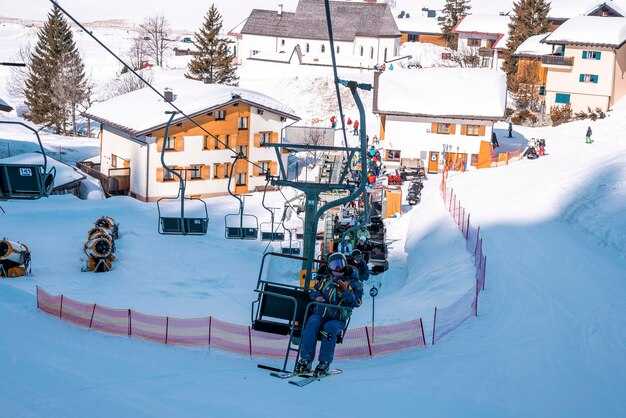
Begin with soldeu in Andorra for the best value per euro. The expansive Grandvalira network covers about 210 km of pistes and provides reliable snowfall through the season. A daily lift ticket typically runs around 40-60 EUR, and private lodgings close to the slopes keep overall costs predictable. In town, cafés stay lively after lifts, and a carnival-like atmosphere appears in peak weeks without inflating prices. Soldeu also acts as a practical base for exploring nearby resorts while keeping travel times short. between bases in the region, you can pair Soldeu with a quick pass to Pas de la Casa.
Jasna in Slovakia’s Low Tatras and Kranjska Gora in the julian Alps deliver high value with straightforward access from central Europe. Jasna offers roughly 50 km of marked runs, budget-friendly day passes around 25-40 EUR, and a practical mix of private apartments and hostels. In the same region, Kranjska Gora sits in the julian Alps, a compact playground ideal for families and quick slope hops. The magazine notes that these resorts provide reliable snow, inexpensive dining options in town cafés, and easy connections to cross-border staten for day trips.
Bansko in Bulgaria remains hard to beat for value. The skier-friendly town sits at the foot of the Pirin Mountains, with a total of around 70-75 km of pistes in the network and daily passes often under 40 EUR during shoulder periods. A wide range of private apartments and townhouses keeps lodging flexible, and a stroll through the old town reveals affordable restaurants and bars. The источник magazine notes that Bansko is a standout for families and groups seeking a low-cost winter break in Europe.
Romania’s Poiana Brașov stands out for simplicity and price. With roughly 15-30 km of runs and a short drive from Brasov, it delivers approachable slopes for beginners and mid-level skiers. Day passes hover around 20-30 EUR, while private studios and small chalets keep total costs reasonable for a long weekend. The village cafes provide a steady after-ski scene, and a few local festivals add a seasonal glow without raising rates.
Kopaonik in Serbia blends high elevation with budget lodging. The range covers about 55-60 km of pistes, rapid lifts, and very affordable daily lifts around 25-35 EUR. Private apartments and hostels cluster near the base, helping groups split costs. Expect reliable snow, a lively après-ski scene in the village, and cafés that stay open into the evening, especially on weekends.
Vogel in Slovenia keeps crowds small and prices friendly. With 20-25 km of runs and straightforward lifts, it’s easy to reach from Ljubljana by a short drive. Day tickets typically cost 25-40 EUR; private rooms and family apartments dominate the valley, making a week’s stay affordable. The alpine views and quiet slopes are ideal for steady practice and relaxed evenings in nearby cafes.
In italy, Bardonecchia delivers solid value on a mountain of classic Italian charm. The town links to a piste network near the Susa Valley offering around 100 km of trails, with shoulder-season passes often in the 40-50 EUR range. Private apartments or small hotels provide good options for a family group, and a handful of sunlit cafes keep après-ski casual and accessible.
Zakopane in Poland offers a perfect budget base for Polish Tatra day trips. The area comprises roughly 60-75 km across several linked slopes, with day passes frequently under 40 EUR. Private apartments in town help lower per-person costs, and trains or buses link to quick trips into Zakopane’s historic center. The town’s market and cafes create a warm winter atmosphere after the lifts close.
Szczyrk completes the lineup with reliable value in a central European setting. The resort has around 50-60 km of pistes, strong beginner zones, and cafés and après-ski options that stay affordable. A day pass sits in the mid-30s EUR, while private flats let you split costs with a group. The town hosts a steady rotation of markets and bars, keeping the scene lively without a premium price tag.
In short, these ten spots prove that value can travel. Between the big Alpine names and Europe’s less-visited peaks, they offer levels of affordability, strong snow, and friendly service. they are offering dependable runs with expansive terrain and a private lodging scene. The magazine roundups and источник notes from specialists show that Europe remains competitive for budget skiers. If you want a quick cross-check, schweitzer comparisons share similar value patterns in North America, but Europe’s mix of towns, cafes, and accessible bases keeps prices lower for longer stays. This is why you’ll want to map a route that lands you in a couple of these resorts this season.
Budget Ski Travel 2025-2026: Quick Strategy & Underrated Resorts
Book a midweek stay at grand-bornand and kasprowy to lock in 30-40% lodging savings and reliable access to pistes. Choose this option for a classic, high-class experience with a look at affordable slope life and a vertical mix across levels. Plan in advance to combine lodging with multi-day passes and savings.
Target shoulder-season windows to cut both cost and crowding on the summit. Stay in self-catering apartments or small guesthouses to keep daily expenses low, then use public transport to reach lifts. For sledding days and family time, the village lanes provide reliable fun when conditions change. Buy a multi-day pass or a regional option that covers several resorts to drop cost per day and rack up miles of terrain. Advance bookings also lock in gear rentals at lower rates. These tips work anywhere you travel, including bozeman, by planning stays and transfers.
Underrated picks for 2025-2026 include grand-bornand, kasprowy, Poiana Brașov, Szczyrk, Bansko, and Kranjska Gora. Each spot offers reliable snow, compact footprints, and pistes that suit different skill levels. They were voted by travelers as budget-friendly favorites for a reason: shorter lift lines, cheaper accommodation, and a calmer pace than mega-Alpine resorts. Summit days work well for confident skiers, while gentle runs cover beginners and intermediates. For them, total cost stays manageable with careful planning. Prices vary by date, but a week of skiing with lodging and passes can stay within a sensible budget range.
From bozeman home base to European hubs, practical routes open for these towns. Even with an ocean-laden layover, flight times stay reasonable. Living in budget apartments gives you a home-like vibe without resort costs. Despite distance, you keep the plan viable by pairing days on the slopes with low-key town strolls, and you can add a golf round in nearby summer months to diversify. These options keep a simple, affordable rhythm while you chase good pistes and a few quieter, high-quality days on the mountain.
Identify absolute budget targets: daily costs for lodging, lift passes, and meals
Set a daily budget target per person: lodging 25-60 EUR, lift passes 25-50 EUR, meals 20-40 EUR. That creates a practical per-day range of 70-150 EUR, depending on location, season, and choices.
lodging strategy: choose diverse towns near the lifts and avoid mega-resorts. Look for tucked-in guesthouses, apartment rentals, or small hotels in warm, charming neighborhoods. In shoulder weeks you can secure private rooms for about 40-70 EUR or shared spaces around 25-35 EUR, with savings adding up fast for longer trips. Lets you keep affordability high without sacrificing comfort.
Lift passes: buy multi-day or regional passes when possible. For alpine classics with winding runs and larger altitude gains, expect 40-50 EUR per day, while cheaper southern or inland resorts often sit in the 25-40 EUR range. If riksgränsen is on your list, plan for higher daily pass costs and offset by shorter stays and smart lodging choices.
Meals: cook some meals to trim costs, shop at local markets, and favor simple, warm dishes at inexpensive cafés. A realistic daily meals budget is 20-40 EUR, with breakfasts at hostels or markets and dinners in charming, home-style eateries. In picturesque towns with breweries, you can still keep total daily food spend toward the lower end by prioritizing lunch specials and self-catering.
Extras to consider: if a snowmobile excursion or a guided tour tempts you, factor that separately rather than inflating the core daily targets. Visitors from far away–like those traveling from detroit–often appreciate having a small buffer for impulsive adventures. Miles of well-groomed trails, acres of powder near ocean-adjacent routes, and a warming, community-focused nightlife scene add value without pushing budgets over the edge. What matters is prioritizing affordability first, then layering in exceptional experiences as capacity allows, so your MEGA powder days stay within reach and your home base remains comfortable and picturesque, not a financial strain.
Compare ski areas by snow reliability, season length, and beginner-friendly terrain
Recommendation: Choose soldeu for the strongest snow reliability, the longest season, and beginner-friendly terrain. Thanks to robust snowmaking, above-average coverage lasts from late November through April. Above average snow keeps trails ready, and the village layout offers ski-inski-out access on several routes, and united passes for grand valira simplify multi-day visits. For visitors seeking a quieter start, grand-bornand and kopaonik provide friendly greens and calm mornings while still delivering solid beginner terrain.
Snow reliability across these areas hinges on altitude, snowmaking, and climate. Soldeu benefits from high altitude and extensive snowmaking, delivering solid coverage from late November through April. Grand-bornand relies on a robust network of pistes and lifts that keep snow present through a long stretch in winter and into early spring. Kopaonik leans more on artificial snow, with a season that spans December to March, sometimes into early April. In all three, northern-facing runs help preserve early and late-season conditions, while a combination of multi-resort passes keeps plans flexible. Compared with cranmore in North America, these European options still stand out.
Beginner terrain stands out in all three. Soldeu offers broad greens around the base area and gentle blue runs linked to the higher bowls, ideal for progression. Grand-bornand shines with long, forgiving blue runs and a welcoming learning zone, making it a favourite for families. Kopaonik delivers a large beginner-friendly zone with wide blue pistes and a relaxed village atmosphere, helping learners build confidence without crowds. For ski-inski-out fans, soldeu and some grand-bornand lodgings make daily practice easy; after the first day, visitors can switch to other gentle runs without leaving the valley.
Practical planning: consider a combination of passes that covers more than one area, delivering choice without extra tickets. If you want value, kopaonik offers affordable passes and lower lesson costs, with a quiet pace that still delivers solid coaching. If you crave a classic European vibe with a Nordic twist, soldeu and grand-bornand remain favourites for many visitors. Schedule days spanning easy sections and a couple of longer blue routes to round out a week. For a standout choice because of snow reliability and beginner terrain balance, soldeu remains the top pick; grand-bornand offers a friendly Alpine experience; kopaonik proves a cost-effective, approachable option that still satisfies first-time skiers.
Location-based savings: proximity to airports, rail hubs, and city accommodations
Start with kopaoniks: fly into Belgrade’s Nikola Tesla Airport (BEG) and plan a 2.5–3 hour transfer to the village; pricing stays friendly outside peak weeks, and the pine-wood setting feels charming and subdued, an overlooked, underrated gem with miles of trails awaiting.
Pair rail access with smart city stays: Munich or Salzburg serve as efficient hubs for Bavarian slopes such as Sudelfeld or Spitzingsee; the shuttle from the station takes under 90 minutes, and booking a village inn nearby keeps nightly rates lower while you enjoy a wood-lined, quiet base.
Spain adds another underrated option. Fly to Madrid or Barcelona and take a fast train to Pyrenees or Sierra Nevada gateways; you’ll find pricing still favorable outside holiday weeks, with comfortable apartments near stations in charming villages.
Vogel in Austria offers a world-class snow experience with easy rail access from Vienna or Klagenfurt to Villach and a short bus ride to the slopes; the vibe is subdued, wood-toned, and village-like, with pricing remaining fair in the shoulder season, and awesome powder awaits travelers.
Several other underrated up-and-coming options in the Bavarian and nearby regions deliver solid value; you’ll find several parks and trails, plus easy links to airports and rail hubs that slash car costs. If you crave a Marais-inspired budget vibe, a French alpine hamlet near the border can offer a cheap base.
From Australia or Wisconsin, plan a longer layover city stay to cut long-haul costs; thanks to hub airports, you can fix a cost-effective route with one or two connections. Please consider these ideas for 2025–2026.
Accommodation options that maximize value: hostels, ski apartments, and early-bird deals
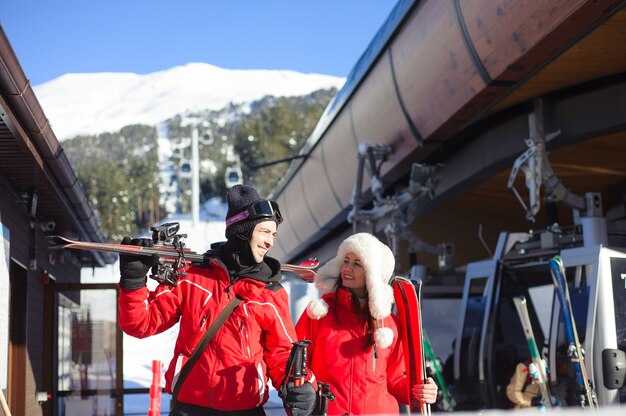
Book a private ski apartment and secure an early-bird deal for your group to maximize value and flexibility on the slopes.
Hostels in less famous resorts deliver the best value, especially in londonderry and bavarian-inspired towns. They offer multiple experiences with dorms for groups and private rooms for couples, with warming common areas. Dorms run around €15-€25 per person per night, private rooms €40-€70, and kitchens reduce expense. An exception to the rule, these options often outperform mid-range hotels on a per-person basis.
Apartment stays with private, multi-bedroom units remain the most flexible option for groups. In bavarian-adjacent valleys and lesser-known alpine towns, a two-bedroom ski apartment is typically €70-€120 per night, split among guests. Early-bird deals can push this below €60 per person and may include lift passes, which is an awesome value. Cross-border promotions sometimes add rental gear, contributing to a much less expensive overall expense.
Look for cross-border promotions and negotiate with hosts for longer stays; you can also mix towns to add variety and increase experiences and snowshoeing options. Snowshoeing trails are common within easy reach, and you’ll find warming lounges that encourage unforgettable evenings after long days on the slopes. When planning, aim for relatively cheap accommodation in less famous towns and then add a couple of day trips to broaden your experiences and keep costs down.
| Resort | Recommended Accommodation | Typical Nightly Price (EUR) | Best Early-Bird Deal | Why It’s Value |
|---|---|---|---|---|
| Bansko, Bulgaria | Hostel dorms or private ski apartments | 15-25; 40-70 | Book 4–6 months ahead for 15–25% off; midweek stays cheaper | Low base price + slope access; group options reduce per-person cost |
| Poiana Brașov, Romania | Private studios with kitchen or small ski apartments | 50-90 | Season-long early-bird deals up to 20% off; free cancellation | Short transfer from city hub; snow-sure runs at altitude |
| Szczyrk, Poland | Hostel doubles and multi-bed apartments | 25-45 | 3–4 months ahead discount windows; package deals with lift passes | Extremely competitive nightly rates; multiple slopes within hours’ reach |
| Kranjska Gora, Slovenia | Central apartments with private kitchens | 40-75 | Cross-border promotions with nearby resorts; midweek bargains | Quiet setting; kilometers of slopes and easy cross-border day trips |
| Jasna, Slovakia (Low Tatras) | Cheaper hostels and private suites | 30-60 | Early-bird bundles with equipment rental | Value-focused base for long stays; less crowds on weekdays |
Combining hostels, ski apartments, and early-bird deals creates a flexible, value-forward plan for the 2025-2026 season across Europe.
Practical booking tactics: best times to reserve and how to stack discounts for 2025-2026
Reserve lift passes and lodging by april 2025 to lock in cheaper rates for 2025-2026. Read the official site and a trusted magazine for location-specific windows and current promo calendars.
Best times to reserve
- Book 6–9 months ahead for most resorts; 9–12 months for peak weeks such as Christmas and February half-term.
- Target shoulder weeks in late January and March when snowy conditions are reliable and crowds are lighter.
- Take advantage of april price resets by planning late-winter or spring trips; set alerts for new promos.
- For family trips, lock in family-specific packages early; many resorts offer kids’ deals or bundled meals.
- Consider low-key, away-from-city bases within a short transfer to the slopes to save on lodging and travel.
- Just 15 minutes from town, nearby location options can reduce transport hours and still give access to pristine snow.
- Riders seeking terrain parks should check park access hours and planned builds to align with your trip.
- Classic alpine bases offer reliability; look for native charm combined with modern comforts for value.
- Base near proximity to nature and avoid crowds for a more relaxed, high-class experience at mid-season prices.
How to stack discounts
- Bundle lift pass + accommodation + gear rental from the same operator to unlock a higher discount; compare with separate bookings for the final price.
- Explore multi-resort or regional passes if you plan to ride several nearby resorts–this can be cheaper per day than single-resort passes.
- Join loyalty programs and sign up for newsletters to access member codes; combine with early-bird rates and flexible cancellation windows for extra wiggle room.
- Shift nights to midweek (Tuesday–Thursday) when rates are significantly lower than weekend stays.
- Base in gudauris or arabba to cut lodging costs while staying near lifts.
- Look for combination deals that include dining or local experiences, especially if you want to sample cuisine and visit nearby breweries after the slope.
- Check cancellation policies and opt for refundable fare when your dates aren’t fixed yet; this keeps your freedom to adjust if prices drop.
- Monitor official calendars for dedicated sale days, often announced in april or late autumn, and time your booking accordingly.
- Bundling can save much more than booking items separately, especially for family trips.