


 English (UK)
  Русский
  বাংলা
বাংলা  العربية
  日本語
日本語  한국어
한국어  Magyar
  Norsk nynorsk
  Türkçe
  עִבְרִית
  Español
  Čeština
  Svenska
  Português
  Ελληνικά
  Suomi
Suomi  Nederlands
  Română
  Italiano
  Français
  Polski
  Українська
  Deutsch
  简体中文
简体中文  Slovenčina
  Српски језик
  اردو
اردو  Azərbaycan dili
  O‘zbekcha
  አማርኛ
አማርኛ 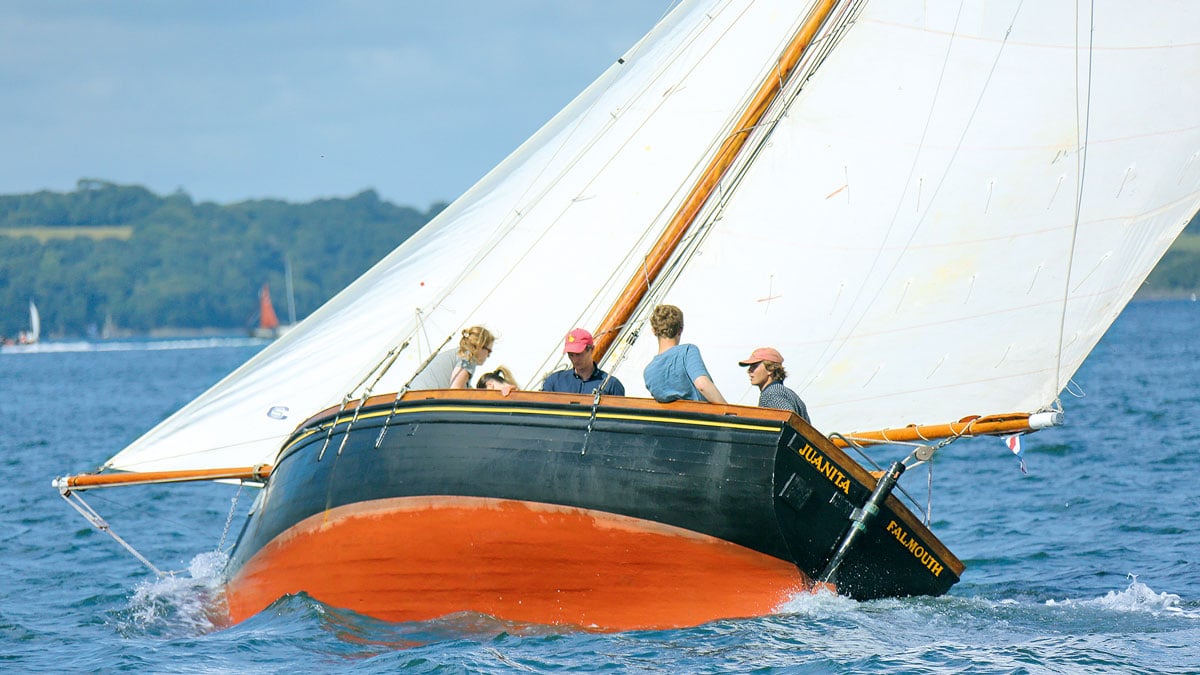

A typical restoration of a 60–70ft wooden ketch demands scheduled dry-dock intervals every 5–7 years, replanking of affected hull frames, routine caulking, and supply-chain coordination for rare timbers and bespoke fastenings; without that logistics backbone a classic vessel quickly becomes a costly wreck. Shipwright availability, marina berth tenure and export/import rules for treated timber all affect whether a wooden yacht remains seaworthy or slips into dereliction.
Independent ownership: why keeping your yacht matters
Owners of wooden craft often choose to retain boats long-term to protect the investment in bespoke modifications and to preserve continuity of care. When ownership is shared or transient, the risk of a vessel being sold or neglected increases, since small wooden yachts require steady labour and attention. In several notable cases, ownership decisions directly influenced the boats’ fates: customised interiors, added counter sterns and enclosed cabins were installed to suit particular lifestyles, then became reasoned arguments for keeping a vessel rather than selling it on a whim.
Case studies at a glance
| Boat | Type | Key modification | Outcome |
|---|---|---|---|
| Juanita | Converted quay punt / deep‑sea voyager | Counter stern, enclosed cabin | Raced again in Falmouth after restoration |
| Johanne Regina | 69ft Baltic trading ketch | Full replanking and major engine overhaul | Rebuilt into sail training ship for Badalona |
| Martha McGilda | 25ft Folkboat (engineless) | Commissioned for youth training | Restored and maintained as community yacht |
Maintenance checklist for wooden yachts
- Hull inspection: look for soft spots, delamination, worm damage and failed fastenings.
- Replanking schedule: plan timber procurement 6–12 months ahead due to specialist sourcing.
- Engine & systems: overhaul or replace aging engines and renew through‑hull fittings.
- Berth & haul-out logistics: secure long‑term moorings and book haul-outs in advance to avoid seasonal bottlenecks.
- Documentation: maintain logbooks and ownership records to ease future transfers and insurance claims.
Clare Allcard: forging ownership through restoration
Transforming a semi‑derelict Baltic ketch into a family home required not only labour but also strategic logistics: sourcing Gardner engine spares, tackling worm‑bored timbers and coordinating local shipwrights for replanking. For Clare Allcard, those operational tasks were inseparable from the emotional work of making Johanne Regina into a true home. Choosing who accompanied Atlantic passages—particularly when a child’s health was at stake—meant balancing family welfare and the imperative for the owner to stand watches at sea in order to claim real custodianship of the boat.
A means of escape: Rozelle Raynes and community sailing
Rozelle Raynes’ choice of an engineless Folkboat allowed a low‑maintenance but highly seaworthy platform for single‑handed passages and community work. Martha McGilda’s later role as a teaching yacht exemplifies how wooden boats can be repurposed into social assets: weekly sailing sessions for local children, hands‑on seamanship tuition and the creation of shared memories that strengthened community ties. Long‑term custodianship by local marinas and enthusiasts later preserved Martha’s condition, demonstrating the importance of local maritime networks in the supply chain of restoration and upkeep.
Lessons for travellers and maritime tourists
- When booking heritage sailing experiences, check vessel maintenance records and skipper qualifications.
- Choose providers that use local shipwrights and source materials responsibly to support regional economies.
- Consider shore‑based visits—boatyards, regattas and sail training centres—as part of a cultural itinerary.
Ann Davison: a note on solo passages
Historic solo Atlantic crossings underline the meticulous provisioning and routing required for long passages—navigation, weather planning and redundant systems remain essential lessons for modern bluewater voyagers and adventure travellers seeking similar experiences under professional guidance.
These wooden yachts continue to influence tourism patterns: restored quay punts race in Falmouth, sail training ships host youth programmes in Badalona, and community yachts draw visitors to coastal marinas. Practical logistics—timber sourcing, specialist craftsmen, haul‑out slots and berth management—determine whether these living heritage vessels remain active attractions or fade into dereliction. GetExperience supports travellers who want to include maritime culture in their plans by connecting them with verified providers and offering secure online payments with voucher confirmation; the platform also enables tailored requests for tours and excursions so you receive offers that match your preferences. On GetExperience, you book your experience from verified providers at reasonable prices. This empowers you to make the most informed decision without unnecessary expenses or disappointments. Emphasizing convenience, affordability and a wide range of options, the platform stands ready to help you build a cultural programme that goes beyond flights and hotels — Book your Trip GetExperience.com
In summary, the stories of Juanita, Johanne Regina and Martha McGilda show how ownership, maintenance logistics and dedicated custodianship sustain living maritime heritage. For travellers they offer a blend of travel experiences and adventure activities—sailing lessons, yacht parties, cruise packages and sail‑training—alongside options like museum tours with live guides, online virtual tours and interactive cultural workshops. Whether you seek eco‑friendly wildlife safaris ashore, exclusive yacht charters for events, adventure rafting trips for beginners, professional esports training programs, or luxury adventure travel experiences, the practicalities described here remind us that the quality of an experience depends on the unseen supply chain of care that keeps classic boats afloat and available for new generations to enjoy.