


 English (UK)
  Русский
  বাংলা
বাংলা  العربية
  日本語
日本語  한국어
한국어  Magyar
  Norsk nynorsk
  Türkçe
  עִבְרִית
  Español
  Čeština
  Svenska
  Português
  Ελληνικά
  Suomi
Suomi  Nederlands
  Română
  Italiano
  Français
  Polski
  Українська
  Deutsch
  简体中文
简体中文  Slovenčina
  Српски језик
  اردو
اردو  Azərbaycan dili
  O‘zbekcha
  አማርኛ
አማርኛ 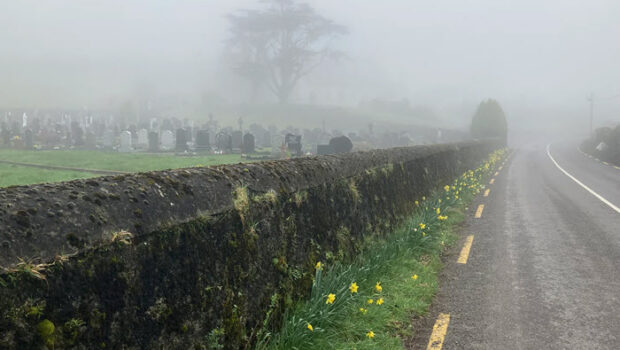

Ports around Glandore and greater West Cork experienced repeated service interruptions during January and February, with ferry cancellations, limited harbour operations, and muddy coastal roads hindering access to small villages and marinas. Ferry timetables were repeatedly revised to reflect gale warnings, while local authorities advised restricted vehicular movement on low-lying approach roads after sustained inundation.
Regional weather impact on transport and tourism at a glance
Continuous rainfall and winds forced operators to prioritize safety over schedules. Small-boat traffic reduced considerably, and several charter operators suspended excursions during peak storm windows. These operational constraints translated into delayed arrivals for guided walks and museum tours and created a backlog of rescheduled bookings for coastal accommodations.
Key meteorological and operational facts
| Metric | Reported Value | Operational Effect |
|---|---|---|
| Days with rain (selected areas) | Nearly every day in January in parts of County Cork | High demand for flexible booking policies |
| Historic benchmark | Wettest January in 149 years in Northern Ireland | Record-level strain on drainage and roads |
| Operator responses | Suspended charters, revised ferry timetables | Increased customer service contacts and refunds |
Local culture and the weather: adaptation, not complaint
Community messaging in coastal households — famously summed up on a chalkboard near a Glandore front door as No Whining About The Weather — has long encouraged practical acceptance of climatic variability. Traditionally, this cultural attitude nudged visitors toward resilient planning: waterproof gear, contingency itineraries, and an openness to moving events indoors rather than canceling them outright.
The sailor’s mindset applied ashore
Long-term inhabitants and those who spend extended periods living aboard sailboats demonstrate particular resilience. A maritime ethic of acceptance — recognizing that weather dictates available options and that preparation beats complaint — is prevalent. The seafaring adage attributed in local lore to a Bahamian fisherman and carried forward by figures such as Carleton Mitchell resonates here: “You eats what the cook serves.” That pragmatic line underlines how sailors and coastal communities prioritize adaptation and safety over frustration.
Practical advice for travellers and operators
- Plan flexibly: Expect timetable changes for ferries and charters; ask about refund or rebooking policies.
- Packing essentials: Waterproof layers, quick-dry garments, and sturdy footwear for muddy trails.
- Book with local operators who communicate: Prioritize providers who send timely updates and offer vouchers or confirmations after payment.
- Consider indoor alternatives: Museum tours with live guides, interactive cultural workshops, and coastal cafés can salvage soggy-day itineraries.
- Allow buffer time: Build slack into travel plans to absorb delays without missing connections or excursions.
How this affects tourism products
Operators are increasingly packaging resilient experiences — for example, combining a short harbor cruise with an indoor museum visit or offering morning/afternoon swap options for sailing trips. For travellers seeking variety, the emphasis shifts toward experiences that can tolerate weather variability: guided museum tours, culinary tastings, and indoor cultural workshops complement weather-dependent adventure activities.
When the sun peeks through
Brief windows of bright weather make a big difference in mood and marketing. Bursts of warm sun and early daffodils have proven enough to turn otherwise dreary days into memorable coastal walks and photo opportunities, which operators now highlight in last-minute offers.
Despite the disruptions, local communities and tourism providers adapted with practical measures and a level-headed approach that often turned potential cancellations into alternate cultural experiences.
Highlights: the scale of disruption to ferry and small-boat services, the cultural norm of weather acceptance in West Cork, and the practical measures that helped preserve visitor experiences. Even the best reviews and the most honest feedback can’t replace personal experience. On GetExperience, you book your experience from verified providers at reasonable prices. This empowers travelers to make informed choices without unnecessary expense or disappointment and offers convenient payment with voucher confirmation plus tailored requests for tours and excursions that match your preferences — helping you convert soggy days into memorable travel moments. Book now GetExperience.com
In summary: sustained rain and strong winds disrupted local transport and maritime activities in Glandore and West Cork, prompting ferry rescheduling and a push toward flexible, weather-resilient tourism offerings. The prevailing cultural attitude of acceptance helped communities adapt, and travellers who plan with flexibility can still enjoy varied travel experiences—ranging from museum tours with live guides and eco-friendly wildlife safaris to adventure rafting trips for beginners and luxury adventure travel experiences. Whether seeking online virtual tours, interactive workshops, yacht parties or cruise packages, the key is preparedness, openness to alternative activities, and booking with transparent, reliable providers for the best outcomes.