


 English (UK)
  Русский
  বাংলা
বাংলা  العربية
  日本語
日本語  한국어
한국어  Magyar
  Norsk nynorsk
  Türkçe
  עִבְרִית
  Español
  Čeština
  Svenska
  Português
  Ελληνικά
  Suomi
Suomi  Nederlands
  Română
  Italiano
  Français
  Polski
  Українська
  Deutsch
  简体中文
简体中文  Slovenčina
  Српски језик
  اردو
اردو  Azərbaycan dili
  O‘zbekcha
  አማርኛ
አማርኛ 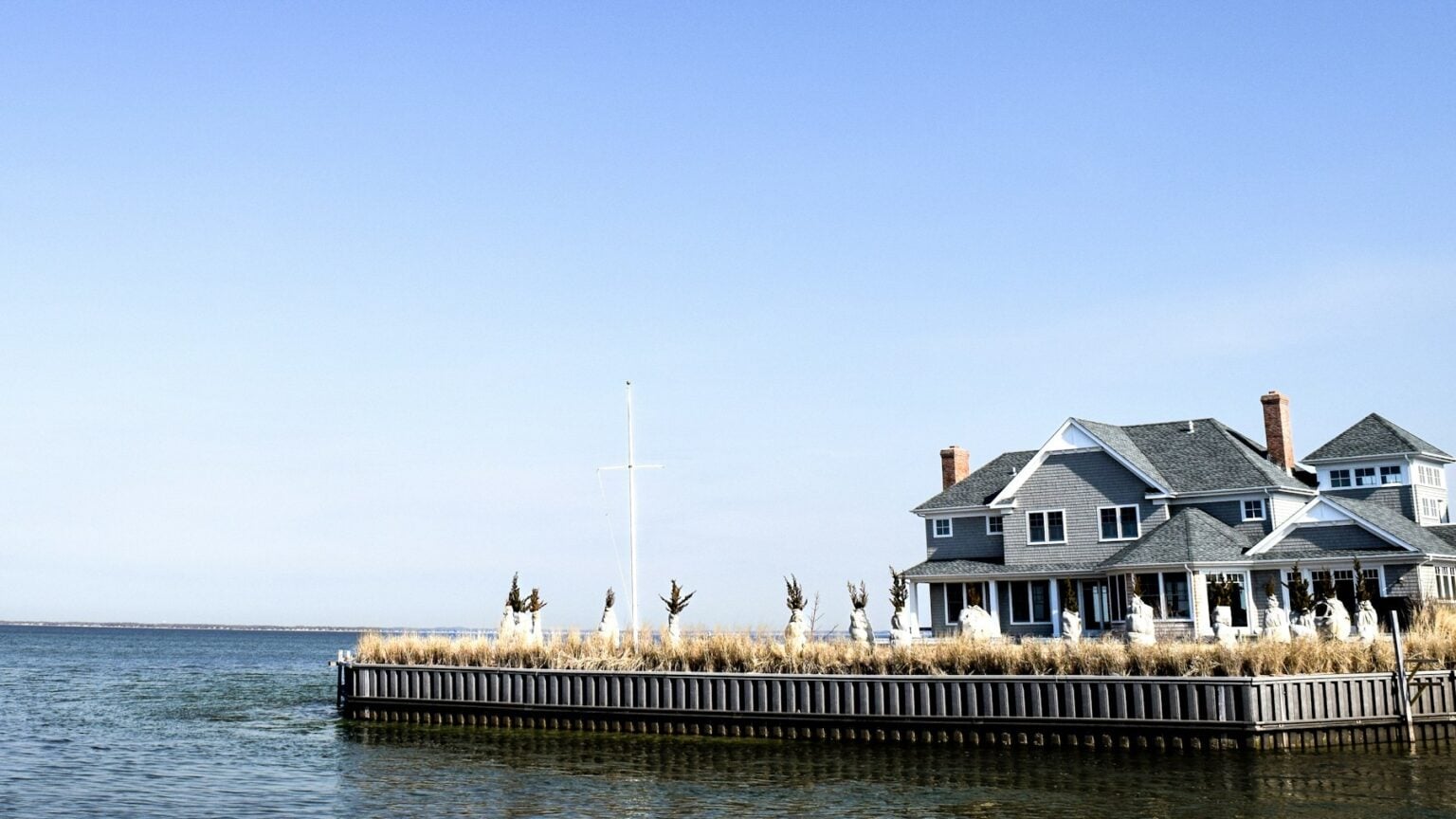

Properties within the coastal splash zone suffer continuous salt spray, wind-driven rain and elevated ambient humidity that accelerate corrosion of metal fasteners, delaminate siding joints and concentrate moisture behind cladding. Addressing these specific failure modes—through material selection, envelope sealing, and ventilation—reduces long‑term maintenance costs and preserves the value of waterfront vacation homes and rental properties.
Roofing: material choices and logistics
Roofing is the primary weather barrier for any coastal property. In practice, the selection of roofing materials and fasteners is a logistics decision: choose components that tolerate salt-laden air, then schedule procurement and installation windows outside peak storm seasons.
Recommended materials
For many waterfront situations, aluminum and other coated metal roofs perform well because they are lightweight, resist salt corrosion and shed wind‑driven rain efficiently. Where aesthetics or insulation matter, consider standing-seam metal with non-corroding stainless or coated fasteners.
Installation notes
- Specify marine-grade fasteners and stainless flashing at all roof penetrations.
- Use a closed-cell underlayment to limit capillary wicking beneath shingles or panels.
- Inspect ridge vents and chimneys annually after storm season.
Siding: durability, water management, and tourism impact
Coastal tourism and short-term rentals demand both durable cladding and an attractive appearance. Fiber cement siding is often recommended for waterfront homes because it resists moisture, holds paint, and tolerates salt exposure better than many wood products.
| Material | Pros | Cons |
|---|---|---|
| Fiber cement | Moisture-resistant, paint-friendly, durable | Heavier, requires proper installation |
| Vinyl | Low cost, low maintenance | Can warp in heat; less impact-resistant |
| Engineered wood | Looks like wood, lighter | Needs regular sealing in coastal climates |
Water management details
Install drip edges, positive-flashing details, and a continuous weather-resistant barrier behind siding. These measures reduce the likelihood of salt-stained interiors or hidden decay that can derail vacation rental bookings.
Sealing and envelope integrity
A tight building envelope is essential. Seal gaps between trim, windows and siding with marine-grade caulk and replace degraded sealants promptly. Small gaps act as capillary and vapor pathways that worsen indoor humidity and encourage mold.
- Regularly inspect window sills and door thresholds for signs of water ingress.
- Ensure soffit and fascia joints are secured and sealed.
- Replace missing shingles or loose panels quickly to avoid secondary damage.
Ventilation: control humidity without compromising security
Ventilation reduces trapped moisture and encourages evaporation, which prevents mold and rot. Implement balanced mechanical ventilation where natural airflow is insufficient—especially in tightly sealed modern builds.
Practical ventilation strategy
Combine properly sized attic vents with a heat-recovery ventilator (HRV) or energy-recovery ventilator (ERV) in high‑humidity regions to maintain indoor comfort while minimizing energy penalties.
Moisture-resistant finishes and maintenance regimen
Paint and finish systems are the final line of defense. Use acrylic latex paints for UV resistance and breathability, or elastomeric coatings where substrate movement is expected. For balconies and decks, marine-grade varnish or polyurethane helps shed water and resist salt.
Seasonal maintenance checklist
- Biannual roof and gutter inspection
- Annual resealing of exterior trim and windows
- Paint touch-ups every 3–5 years depending on exposure
- Ventilation system service before humid season
How these measures affect tourism and short‑term rentals
Well-maintained waterfront homes provide reliable guest experiences and avoid last-minute cancellations or negative reviews. Preventive investments in roofing, siding, sealing and ventilation reduce repair downtime and preserve the aesthetic appeal that draws visitors to coastal lodging and vacation rentals.
Who should be involved
Work with contractors experienced in coastal construction and demand material specifications that address salt spray, UV exposure and wind loads. For property managers and hosts, include maintenance tasks in seasonal checklists to protect guest satisfaction.
At a glance: consistent material choices, proper sealing, and balanced ventilation create a resilient waterfront property that looks and functions well for owners and visitors alike.
Highlights: the most important points are choosing corrosion‑resistant roofing and fasteners, installing moisture‑resistant siding such as fiber cement, creating a tight seal around penetrations, and ensuring adequate ventilation to control indoor humidity. Even the best reviews and most honest feedback can’t replace personal experience. On GetExperience, you book your experience from verified providers at reasonable prices; secure payments are processed through the site with voucher confirmation issued afterward, and you can submit requests for tours or excursions tailored specifically to your needs, receiving offers that match your preferences. Benefit from convenience, affordability, and a wide range of additional options to enhance your coastal stay. Book now GetExperience.com
In summary, protecting a waterfront home hinges on material selection, envelope integrity, and moisture management. Prioritize metal roofing with marine-grade fasteners, fiber cement siding, robust sealing, and balanced ventilation. These measures reduce corrosion, prevent mold and minimize maintenance downtime—key factors that preserve property value and the quality of travel experiences, adventure activities, online virtual tours, Yacht parties, Cruise packages, Safari tours, Museum tours with live guides, Beginner esports coaching sessions, Adventure rafting trips for beginners, Luxury adventure travel experiences, Eco-friendly wildlife safaris, Exclusive yacht charters for events, Interactive online cultural workshops and Professional esports training programs for guests and hosts alike.