


 English (UK)
  Русский
  বাংলা
বাংলা  العربية
  日本語
日本語  한국어
한국어  Magyar
  Norsk nynorsk
  Türkçe
  עִבְרִית
  Español
  Čeština
  Svenska
  Português
  Ελληνικά
  Suomi
Suomi  Nederlands
  Română
  Italiano
  Français
  Polski
  Українська
  Deutsch
  简体中文
简体中文  Slovenčina
  Српски језик
  اردو
اردو  Azərbaycan dili
  O‘zbekcha
  አማርኛ
አማርኛ 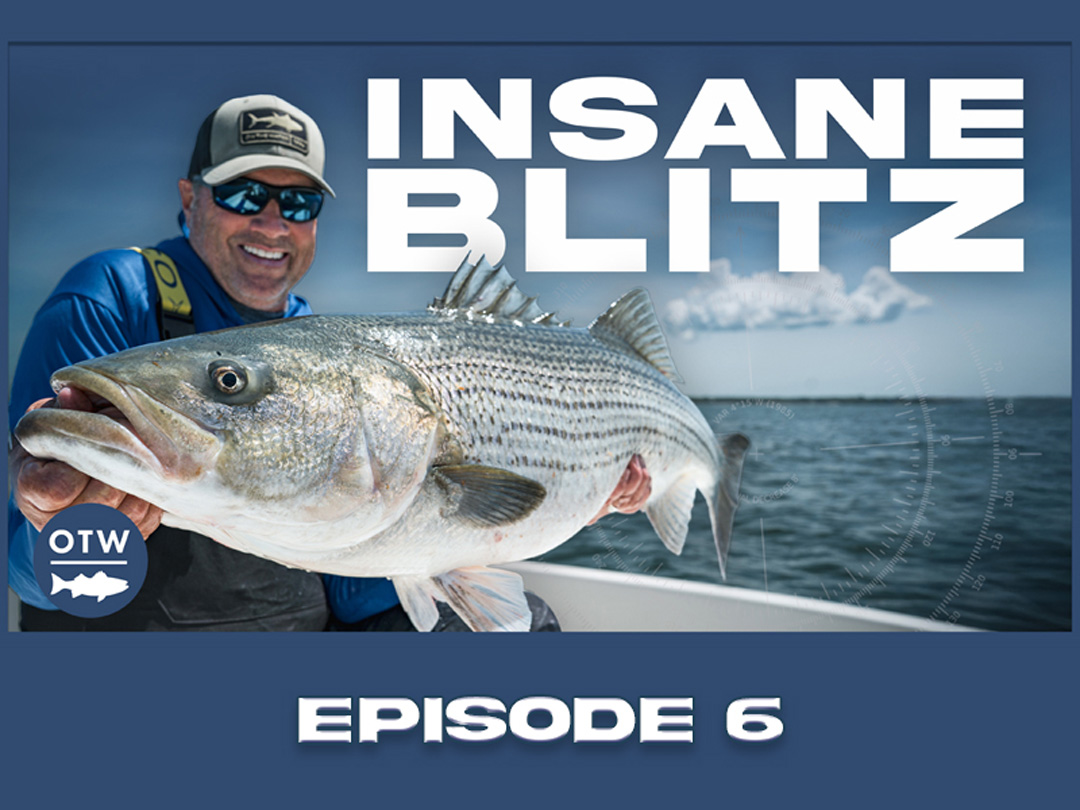

Tidal flows, bunker migrations, and downstream runoff consistently dictate when and where striped bass concentrate near marinas and charter-boat pick-up points, forcing captains to adjust departure times and gear loads on a day‑to‑day basis.
Spring Striped Bass Migration at a glance
Species: Striped Bass (Morone saxatilis). Primary region: Atlantic coast from New Jersey through Massachusetts and into Maine. Inshore bait movement—especially large schools of menhaden (bunker)—and warming coastal temperatures create tight windows of intense fishing activity that benefit local tourism through charter bookings, bait shops, and related services.
Year-by-year trends (2015–2021)
| Year | Pattern | Tourism/Charter Impact |
|---|---|---|
| 2015 | Late spring surge after heavy winter; strong run between New Jersey and Maine | High charter demand in June |
| 2016 | Early migration with big bass holding in New York Bight and Raritan Bay | Early-season bookings increased |
| 2017 | Cold March delayed movements; trophy fish reached Cape Cod by mid‑May | Shifted peak tourism later in spring |
| 2018 | Long, cold spring delayed southerly runs; Long Island saw prolonged local action | Localized boosts to South Shore businesses |
| 2019 | Abundant menhaden concentrated bass around northern New Jersey/Long Island | Strong surf and boat angling seasons |
| 2020 | Post‑March push of 20‑pound class fish in New Jersey; schoolies followed despite pandemic | Charters adapted with safety protocols; local tourism resilient |
| 2021 | Similar to 2020 for schools and bunker; fewer large fish observed | Concern among guide fleets; booking patterns shifted |
Key hotspots and infrastructure notes
- Chesapeake Bay tributaries: Spawning source and post‑spawn staging area; affects timing of northbound pushes.
- Raritan Bay and Hudson River: Early-season holding grounds that influence New Jersey and Long Island charters.
- Montauk, Cape Cod, and Boston Harbor: Summer refuges for post‑spawn trophy fish—vital for regional fishing tourism.
- Local bait availability: Menhaden schools concentrate stripers; bait movement is a logistical trigger for scheduling trips and allocating guides.
Week-by-week overview of the 2022 spring run
The 2022 migration unfolded as a series of waves that anglers and charter operators tracked closely, from late March through July. Below is a condensed timeline of notable weekly developments:
Late March – Early April
Striped bass moved upstream toward Chesapeake spawning tributaries, while schoolies began appearing in southern and central New Jersey backwaters. Cold snaps hindered spawning in some areas, but Raritan Bay and the Hudson showed early activity.
Mid‑April through May
Warm spells accelerated spawning in Chesapeake tributaries. Large stripers pushed into the Delaware and Hudson rivers, and migratory schoolies flowed through Long Island Sound toward Rhode Island and Massachusetts. Captains reported strong action around tidal river mouths and bunker schools.
Late May – June
Post‑spawn fish exited tributaries and moved along the coast: Montauk, Block Island, and Boston Harbor became focal points. Records included fish up to 40–50 pounds in southern New England waters, and northern pushes reached Maine in growing numbers.
July and beyond
As waters warmed, large schools of bass settled in summer haunts with abundant bait—Long Island, Boston Harbor, and Plymouth—setting the scene for sustained charter activity through the season.
Practical takeaways for anglers and travelers
- Timing matters: Book charters around predicted bunker movements and tidal windows.
- Local guides add value: Captains who monitor bait and current patterns maximize catch rates.
- Infrastructure sensitivity: Harbors and launch ramps often experience peak usage; plan shore access and parking accordingly.
The spring striper migration is both a fisheries phenomenon and a tourism engine: it shapes charter schedules, stimulates coastal economies, and creates short, intense windows of demand for lodging, dining, and guided experiences. For travelers seeking guided angling trips or related excursions, platforms that consolidate providers and allow secure booking simplify logistics and reduce uncertainty.
Highlights: the migration timeline shows how quickly saltwater fisheries and tourism rhythms can change as a result of bait movements, temperature shifts, and river spawns. Still, even the most detailed maps, reviews, and honest feedback can’t replace being on the water yourself. On GetExperience, you book your experience from verified providers at reasonable prices; the platform supports full and secure payments with voucher confirmation issued afterward and allows submitting requests for tailored tours so providers can offer options that best match your preferences. Enjoy convenience, affordability, and a wide range of experiences that help you plan the right trip for your skill level and interests — Book now GetExperience.com
In short, the spring striper migration is a tightly choreographed movement driven by baitfish, tides, and temperature that directly affects charter operations, local tourism, and angling travel experiences. From adventure activities like guided fishing charters and eco‑friendly wildlife safaris to complementary offers such as yacht parties, cruise packages, museum tours with live guides, and interactive online cultural workshops, planning around migration windows increases success and enjoyment. Whether you prefer beginner esports coaching sessions or professional esports training programs ashore, or luxury adventure travel experiences and exclusive yacht charters for events at sea, the migration season offers something for nearly every traveler. Book smart, time your trip, and be ready to chase the bite when the bunker move—those on‑the‑water memories are the best measure of success.