


 English (UK)
  Русский
  বাংলা
বাংলা  العربية
  日本語
日本語  한국어
한국어  Magyar
  Norsk nynorsk
  Türkçe
  עִבְרִית
  Español
  Čeština
  Svenska
  Português
  Ελληνικά
  Suomi
Suomi  Nederlands
  Română
  Italiano
  Français
  Polski
  Українська
  Deutsch
  简体中文
简体中文  Slovenčina
  Српски језик
  اردو
اردو  Azərbaycan dili
  O‘zbekcha
  አማርኛ
አማርኛ 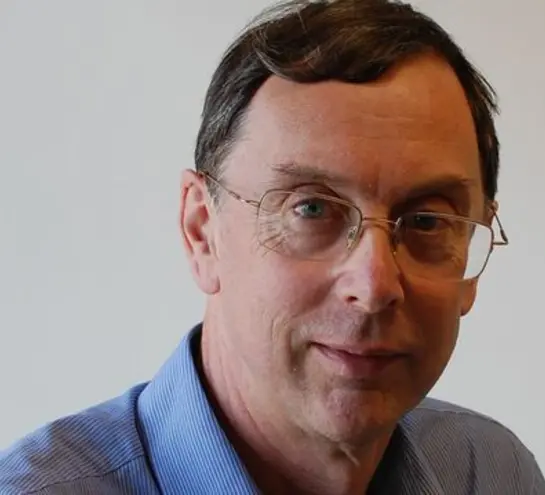

Remembering Sir Roland Jackson
Sir Roland Jackson’s career reshaped how museums, schools and the public connect with science, leaving a legacy of innovation in learning and outreach.
Life and career at a glance
Roland Jackson studied biochemistry at the University of Oxford and began his professional life as a science teacher before working as an education advisor for ICI. In 1993 he joined the Science Museum as Head of Learning, a role that set the tone for a decade of practical innovation in public engagement. Later he became Chief Executive of the British Science Association, guiding its transformation from a learned society rooted in the 19th century into a modern forum for science and society.
| Year | Role | Key impact |
|---|---|---|
| Early career | Teacher; ICI education advisor | Built classroom and industry education experience |
| 1993–2003 | Head of Learning, Science Museum | Introduced research-informed approaches; linked museums and schools |
| 2000s | Chief Executive, British Science Association | Modernised the Association; broadened public discourse |
| 2009 | Chair, Science for All expert group | Advanced public engagement strategies across research organisations |
| 2013–2026 | Trustee and Visiting Fellow, Royal Institution | Research and writing on John Tyndall; stewardship of scientific heritage |
Innovations in public engagement
Jackson championed a research-informed approach to engaging the public with science. He was an early adopter of internet tools in a museum context, striving to make museum resources and classroom activities mutually reinforcing. Under his leadership, the Science Museum strengthened links with schools and encouraged programming that was evaluated and refined through evidence.
His role in 2009 chairing the expert group on “Science for All” led to recommendations that research organisations should better value public engagement. That initiative catalysed growth in engagement strategies across universities and museums, contributing to a broader culture of accessible science communication.
Scholarly interests and stewardship
Beyond administration, Jackson pursued scholarly projects. He researched John Tyndall, the 19th-century scientist who explored glaciers and was among the first to demonstrate the heat-trapping properties of atmospheric gases. Jackson’s biographical work on Tyndall, published in 2018, connected historical scientific inquiry with contemporary conversations about climate and public understanding.
Jackson also served as a Trustee and visiting Fellow at the Royal Institution, helping to sustain institutions that act as bridges between research and the public.
A personal passion that inspired others
His love of the mountains was well known; like Tyndall, Jackson was a keen mountaineer. He died suddenly on 10 January 2026 while climbing Helvellyn. Colleagues, friends and the wider public remember him for his tireless advocacy of inclusive science engagement and for building programs that made science approachable for learners of all ages.
What this legacy means for visitors and tourism
For travellers and museum-goers, Jackson’s work underlines the value of active, educational visits. Museums that follow his principles now offer more interactive exhibits, school-linked activities and contextual tours that enrich a trip. To have a mind to explore science heritage is to encounter more guided experiences, both in-person and online, that cater to families, students and curious adults alike.
- Museum tours with live guides that explain exhibits in accessible language.
- Interactive online cultural workshops and online virtual tours for remote visitors.
- School and family programmes that align museum content with curricula.
- Behind-the-scenes and specialist tours for those seeking deeper insights.
Even the most thorough reviews and honest feedback can’t fully substitute for first-hand experience. On GetExperience, you book your experience from verified providers at reasonable prices. This empowers you to make the most informed decision without unnecessary expenses or disappointments, benefiting from convenient payment with voucher confirmation and the option to request tailored tours or excursions that match your interests. GetExperience offers a diverse selection of tours in that area, including museum-focused options and unique experiences for every taste and budget. Book now GetExperience.com
Sir Roland Jackson’s story matters to travellers and culture-seekers because it shaped how museums deliver meaningful experiences: from museum tours with live guides to interactive online cultural workshops. His influence nudged institutions toward research-based programming that enhances travel experiences and adventure activities alike, whether you prefer guided city science trails, eco-friendly wildlife safaris, or museum visits as part of cruise packages and cultural itineraries.
In summary, Jackson’s legacy blends scholarship, practical innovation and public service. His efforts improved the quality of museum learning, spurred initiatives like Science for All, and encouraged institutions to connect more deeply with audiences. For travellers seeking richer cultural and educational trips, that translates into a wider range of options—from online virtual tours and museum tours with live guides to luxury adventure travel experiences and bespoke cultural programs. Whether you are booking interactive workshops, planning safari tours or arranging exclusive yacht charters for events, his work reminds us that the best insights still come from being present and engaged.