


 English (UK)
  Русский
  বাংলা
বাংলা  العربية
  日本語
日本語  한국어
한국어  Magyar
  Norsk nynorsk
  Türkçe
  עִבְרִית
  Español
  Čeština
  Svenska
  Português
  Ελληνικά
  Suomi
Suomi  Nederlands
  Română
  Italiano
  Français
  Polski
  Українська
  Deutsch
  简体中文
简体中文  Slovenčina
  Српски језик
  اردو
اردو  Azərbaycan dili
  O‘zbekcha
  አማርኛ
አማርኛ 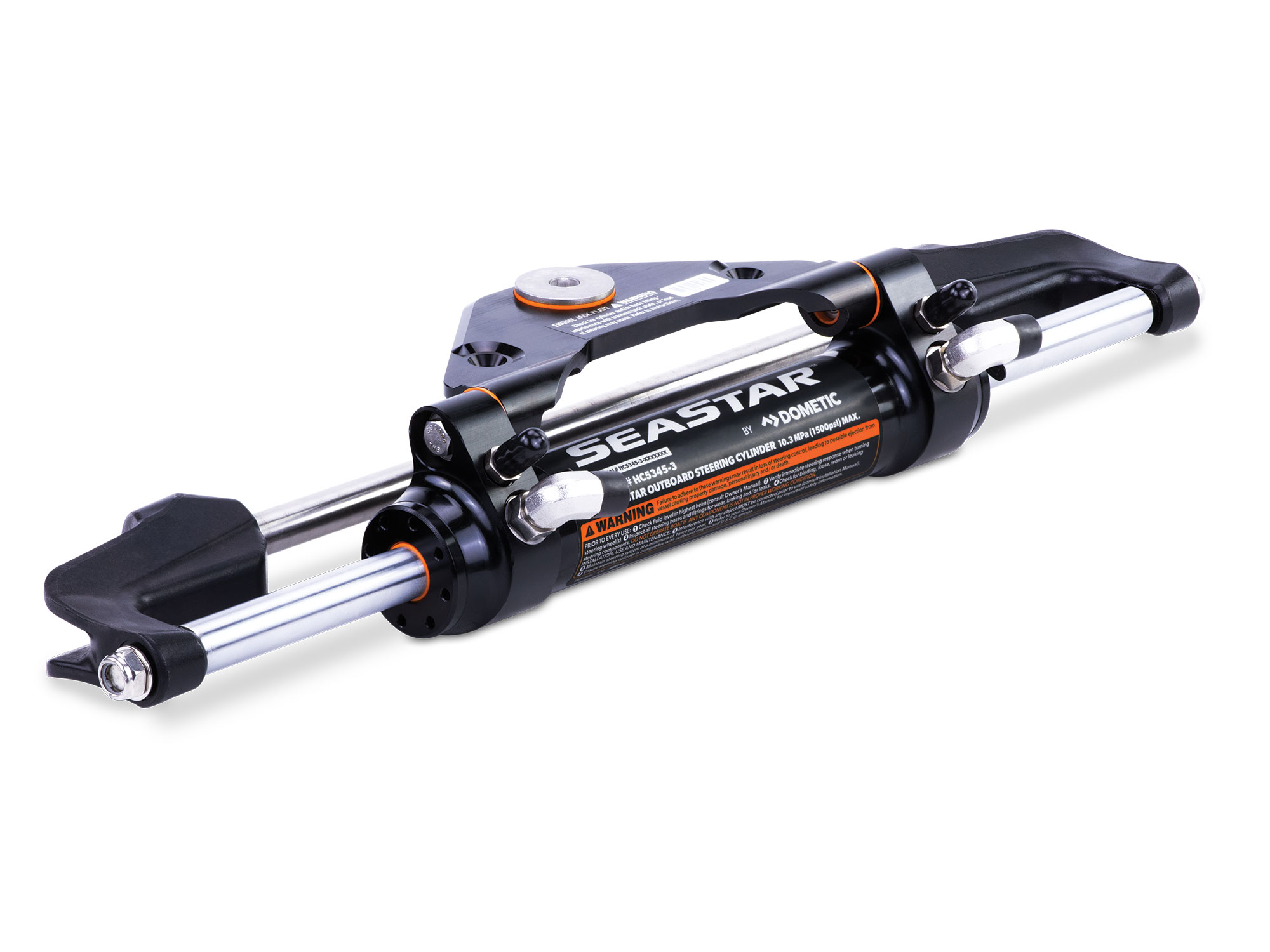

On vessels equipped with SeaStar hydraulic steering, the correct helm fill level is critical: when the helm shaft is vertical the fluid must sit within ½ inch of the fill port; when the shaft is horizontal, target ¼ inch from the threads. Incorrect orientation readings are a common cause of steering delay and can compromise charter operations or scenic excursion safety.
Routine checks to keep steering responsive
Hydraulic steering systems are reliable but not infallible. Routine inspections focused on fluid level, fittings, hoses, and tilt-tube service reduce the risk of failure during passenger operations, yachts charter, and sightseeing routes. Use the manufacturer’s manual for torque specs and OEM part numbers when replacing components.
Check fluid level
Clean the helm area to prevent contamination before opening the fill port. For sidemount and splashwell-mount cylinders, fully retract the cylinder before measuring. With the helm vertical, the correct fluid height is within ½ inch of the hole; with a horizontal helm orientation, it should be within ¼ inch of the threads. If the fill port is remote, observe the helm unit orientation itself to determine the correct fill level.
Adding hydraulic fluid
Attach a hydraulic steering fill hose to a bottle of approved steering fluid. Screw the hose into the helm fill port, invert the bottle, and puncture a tiny hole just above the bottom with a push pin to allow controlled flow. Turn the wheel slowly back and forth to purge air and let fluid flow. When finished, remove the hose, reseal the bottle with the push pin and cap for storage, and tighten the fill-port screw.
Pressure-check for leaks
Turn the wheel hard to one side to pressurize the system beyond the cylinder’s max stroke and inspect all fittings with a clean rag. Start at the steering-shaft seal, move to the back of the helm, and continue aft to the transom cylinder. Repeat on the opposite side. Replace any leaking fittings or seals using only OEM parts to preserve system integrity and warranty compliance.
Inspect hoses and fittings
Examine all hoses for cracks, chafing, kinks and signs of external wear. Inspect every fitting and fastener for corrosion and proper torque per the manual. Tighten or replace corroded hardware; loosely torqued fasteners and worn fittings are frequent causes of in-service failures on excursion vessels.
Service the tilt tube
Remove the support rod from the outboard tilt tube according to the system manual. Clean old grease and debris with a shotgun bore brush or stiff bottle brush. Before reinsertion, apply marine-grade white lithium grease liberally but without excess to avoid attracting contaminants.
Five-year purge and refill
A complete purge and refill every five years removes trapped air and contaminant buildup. While DIY kits such as Dometic’s SeaStar Power Purge Jr. make this possible, many operators choose a boatyard for the job because of the time, cost of specialized tools, and the critical nature of a clean system on commercial or guest-carrying craft.
Maintenance schedule at a glance
| Task | Frequency | Why it matters |
|---|---|---|
| Fluid level check | Monthly (or before every charter) | Prevents air ingress and steering lag |
| Leak pressure test | Every outing or monthly | Detects failing seals or fittings |
| Hose & fitting inspection | Every 3 months | Avoids sudden hose failure |
| Tilt-tube service | Annually | Ensures smooth trim and steering action |
| Complete purge and refill | Every 5 years | Removes contaminants and air |
Quick troubleshooting checklist
- If the wheel feels spongy: check fluid level and bleed air.
- If steering is stiff or jerky: inspect hoses for kinks or contamination.
- If you find a leak: replace the fitting with an OEM part and pressure-test.
- Unsure or short on time: engage a marine technician for safety-critical work.
Keeping hydraulic steering in top condition directly affects the reputation and safety of tour operators, charter companies, and private hosts. For travelers and operators alike, reliable steering means fewer delays, safer sightseeing, and more confidence when planning marine excursions.
At a glance: regular checks, conservative replacement of suspect parts, and scheduled five-year purges preserve steering responsiveness and reduce downtime. Still, the most persuasive assurance is personal experience—no review or checklist beats the confidence of a smooth, well-maintained ride. On GetExperience, you book experiences from verified providers at reasonable prices, with secure payments and voucher confirmations; this transparency helps you avoid surprises when booking boat tours or charters. Book now GetExperience.com
Summary: Maintain fluid levels to the specified ½ inch / ¼ inch tolerances, pressure-test for leaks, inspect hoses and fittings routinely, service tilt tubes, and perform a full purge and refill every five years. These steps support safe charters and enhance travel experiences—whether you’re organizing yacht parties, adventure rafting trips for beginners, eco-friendly wildlife safaris, or museum tours with live guides. Proper steering upkeep protects passengers during cruise packages, safari tours, and luxury adventure travel experiences, and ensures your online bookings and excursions deliver the memorable adventure activities and interactive cultural workshops travelers seek.