


 English (UK)
  Русский
  বাংলা
বাংলা  العربية
  日本語
日本語  한국어
한국어  Magyar
  Norsk nynorsk
  Türkçe
  עִבְרִית
  Español
  Čeština
  Svenska
  Português
  Ελληνικά
  Suomi
Suomi  Nederlands
  Română
  Italiano
  Français
  Polski
  Українська
  Deutsch
  简体中文
简体中文  Slovenčina
  Српски језик
  اردو
اردو  Azərbaycan dili
  O‘zbekcha
  አማርኛ
አማርኛ 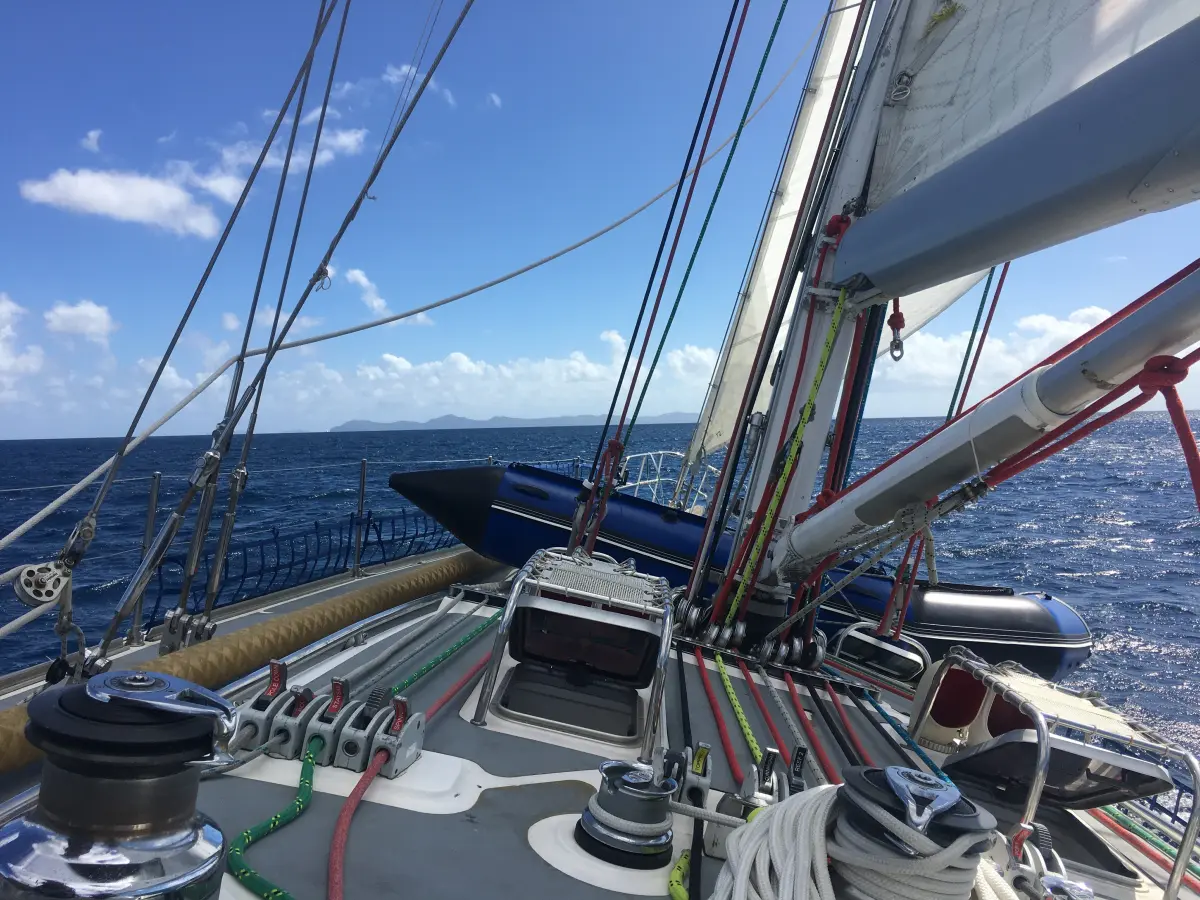

Between December and April, the Caribbean trade winds typically blow from the east to northeast at an average of 15–25 knots, producing a reliable sailing window that defines routing, provisioning and daily rhythms for charter and flotilla operations.
Season timing and operational implications
The so-called winter season runs from December through early April. For yacht operators and tour planners this period aligns with reduced rainfall, predictable sea states and high demand from northern-hemisphere travellers seeking warm-weather escapes. Tour operators schedule crossings, island hops and overnight passages to take full advantage of steady winds while avoiding the peak hurricane months.
Typical season metrics at a glance
| Metric | Typical range | Operational note |
|---|---|---|
| Wind speed | 15–25 knots | Regular reefing; purposeful sailing rather than light-air drifting |
| Temperatures | Mid–high 20s °C (day) | Sun protection and hydration essential |
| Rainfall | Lower than summer | Good conditions for shore visits and protected anchorages |
Why the trade winds matter for tourists and crews
The Caribbean’s trade-wind system provides the backbone for many sailing holidays. These easterly winds are the result of equatorial heating and the Coriolis effect, which together create predictable airflow that historic trading vessels relied on and modern charters still exploit. For travellers, that means itineraries with reliable passage times, frequent upwind or beam-reach legs and more days under sail than motoring.
Practical effects on holiday planning
- Sailing pace: consistent progress between islands — useful for day-sail schedules and multi-day passages
- Watch systems: common on overnight legs for safety and comfort
- Anchorage choice: operators often pick leeward coves for calmer nights
- Onshore activities: shore excursions and tours can be scheduled flexibly thanks to settled weather
Heat, sun and onboard comfort
Despite the breeze, the region remains hot and sunny. The trade winds ventilate decks and cabins, but travellers should still pack breathable clothing, wide-brim hats, high-SPF sunscreen and a reusable water bottle. Crews typically brief guests on sun safety at embarkation; for those taking sailing courses or hands-on charters, maintaining hydration and shifting sail plan with conditions is part of the routine.
Sensible packing checklist
- Light, quick-dry clothing and long-sleeve sun shirts
- High-SPF sunscreen and sunglasses
- Non-marking deck shoes and a warm layer for breezy nights
- Seasickness remedies and basic first-aid items
Trade-wind behaviors and the doldrums
The Caribbean sits north of the Intertropical Convergence Zone (ITCZ), so it avoids the calm, variable winds of the doldrums near the equator. That geographic position is why holiday operators prefer Caribbean routes in winter: steady winds translate into predictable schedules, which in turn makes excursions, island-hopping and tourist transfers more reliable.
Hurricane season — calendar and common sense
Hurricane season officially runs from June to November, peaking between August and October. The old mariner rhyme — “June too soon; July stand by; August you must; September remember; October all over” — captures the seasonal shift sailors plan around. By December the risk markedly declines, enabling safe charter operations and the influx of winter tourism.
Sailing experience and suitability
Winter Caribbean sailing suits travellers who enjoy active participation, from trimming sails to standing watch. Operators such as First Class Sailing run courses and skippered charters tailored to different skill levels — all-female training weeks, Yachtmaster theory sessions with instructors like Nigel Rennie, and short practical courses under instructors such as Kirsten and Mark have been highlighted for quality instruction and supportive teaching styles.
For those booking tours, the availability of verified providers and clear itineraries makes it easier to select a sailing holiday that matches experience level and appetite for adventure.
GetExperience provides a secure booking route for travellers seeking such excursions: you can make full payments on the site with a voucher confirmation issued afterward, and submit requests for tailored tours or excursions so providers can propose offers that match your preferences. This helps match travellers with the right level of hands-on sailing or relaxing island time.
Winter sailing in the Caribbean combines warm days, steady trade winds and flexible routing that appeal to sailors and tourists alike. The region supports a wide range of trips — from short day sails to longer overnight passages — making it ideal for both learning and leisure. GetExperience lists many of these tours worldwide, catering to diverse budgets and tastes while ensuring transparent booking and secure payment. Book your Trip GetExperience.com
In summary: the December–April period brings reliable trade winds, warm temperatures and reduced rainfall, creating excellent conditions for authentic sailing holidays where reefing, night watches and hands-on seamanship are common. Whether you seek relaxed island-hopping, adventure activities like rafting or fishing ashore, or luxury options such as exclusive yacht charters and yacht parties, the Caribbean offers a range of travel experiences—from eco-friendly wildlife safaris and museum tours with live guides to cruise packages and interactive online cultural workshops for trip planning. Personal experience still outweighs reviews: trying a trip firsthand reveals the true flavour of a sailing holiday, from beginner esports coaching sessions planned as downtime activities to professional esports training programs on board or shore-based options. Adventure rafting trips for beginners, safari tours and luxury adventure travel experiences are all within reach when combining thoughtful planning with reputable providers.