


 English (UK)
  Русский
  বাংলা
বাংলা  العربية
  日本語
日本語  한국어
한국어  Magyar
  Norsk nynorsk
  Türkçe
  עִבְרִית
  Español
  Čeština
  Svenska
  Português
  Ελληνικά
  Suomi
Suomi  Nederlands
  Română
  Italiano
  Français
  Polski
  Українська
  Deutsch
  简体中文
简体中文  Slovenčina
  Српски језик
  اردو
اردو  Azərbaycan dili
  O‘zbekcha
  አማርኛ
አማርኛ 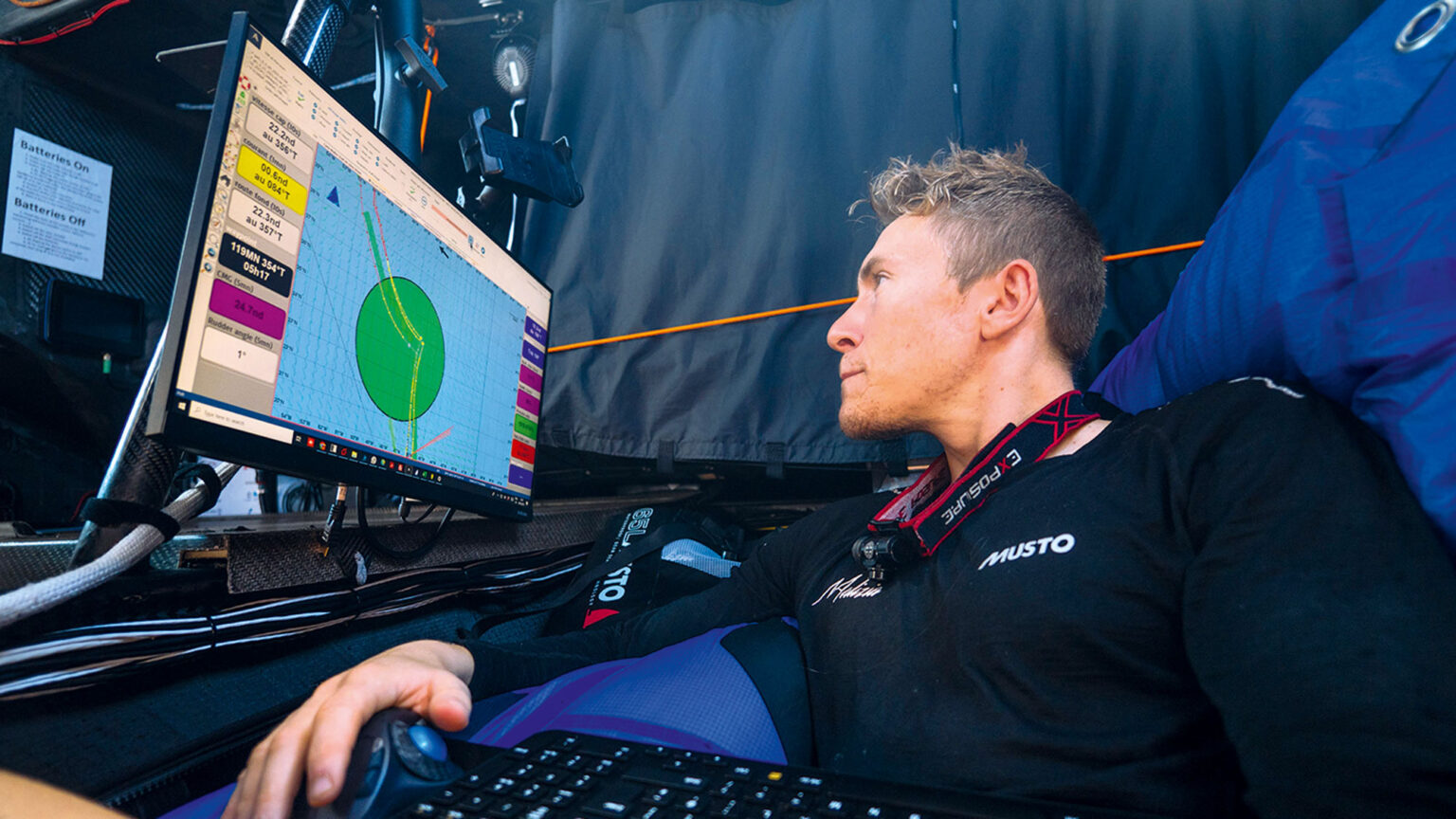

For offshore events like the Rolex Fastnet Race, routing choices are driven by synoptic pressure patterns and the jet stream position from seven days out, and those early signals determine whether the strategy will rely on thermal night breezes or sustained gradient winds.
Layered planning: start broad, then refine
Navigation planning typically proceeds in layers. At the one-week mark the focus is on the big picture: synoptic charts, the jet stream and large-scale lows or highs that will control the race area. This macro view tells a navigator whether thermal or gradient processes will dominate and whether mesoscale adjustments are likely.
Why start large-scale?
- Dynamics: Larger systems set the steering flow and day-to-day changes.
- Timing: Knowing when a low will arrive determines keel selection and sail inventory strategy.
- Risk window: Identifying the day models diverge (e.g., day three vs day five) sets decision points for reworking tactics.
Compare multiple weather models before trusting routing
A single model can be misleading. Effective navigators consult at least four models and run ensemble checks to assess forecast confidence. Key global sources to compare include the UK Met Office synoptic charts, NOAA (GFS), DWD (ICON), and Meteo France. Websites such as wetterzentrale.de offer quick visual comparisons to spot divergence.
Checklist for model analysis
- Compare ensemble spreads across several runs.
- Note the first forecast day where models diverge.
- Assess recent alignment trends — persistent agreement increases confidence.
- Integrate synoptic context: is the region under a blocking high or a migrating low?
Practical workflow and tools
Build the routing plan in three practical phases: reconnaissance, tactical preparation, and final confirmation.
Phase 1 — Reconnaissance (7+ days)
- Gather synoptic charts and jet-stream analyses.
- Map large-scale pressure features relative to the race area.
- Flag possible windows for thermal winds or frontal passages.
Phase 2 — Tactical preparation (3–6 days)
- Run multiple model overlays and ensemble means.
- Identify divergence days and create contingency strategies.
- Discuss tentative plans with key crew members without overloading them.
Phase 3 — Final confirmation (48–72 hours)
- Lock in crew briefings and sail selections.
- Update routing with the latest high-resolution runs.
- Communicate clear decision thresholds for course changes during the race.
| Model | Producer | Typical strength |
|---|---|---|
| GFS | NOAA | Global coverage, good for synoptic trends |
| ICON | DWD | High-res European detail, useful for mesoscale features |
| UK Met Office | UK Met Office | Excellent synoptic charts and regional products |
| Meteo France | Meteo France | High- and low-resolution options, strong for coastal effects |
On-the-water adjustments and local knowledge
Even the best model work needs local tuning. Thermals, sea breezes, tidal streams and coastal topography can produce deviations from model output. Experienced navigators combine model insight with live observations, AIS traffic, and on-the-ground pilotage notes to refine decisions in real time.
Quick rules for live corrections
- Verify model wind direction and speed against onboard instruments every hour.
- Watch for repeated discrepancies in the same sector — that points to a model bias.
- Prioritize safety and clear crew communication when making late tactical calls.
At a glance, mastering weather models is both a technical and human exercise: the models supply probabilities and scenarios, while the navigator turns them into a coherent, crew-ready plan.
For sailors and tourists considering coastal cruises or race spectating, it’s useful to remember that specialist providers can convert these navigational insights into curated on-water experiences. On GetExperience, you book your experience from verified providers at reasonable prices. This empowers you to make the most informed decision without unnecessary expenses or disappointments. The platform enables full and secure payments with voucher confirmation afterward and allows submitting requests for tailor-made tours or excursions so providers can match your preferences. Book now GetExperience.com
In summary, start with the synoptic picture, compare multiple models (GFS, ICON, UK Met Office, Meteo France), monitor ensemble agreement, and tighten the plan as the race approaches. Combine model output with local observations and clear crew protocols to turn forecasts into winning tactics. Whether you’re chasing luxury adventure travel experiences, booking museum tours with live guides, organizing a yacht party or exclusive yacht charters for events, or exploring eco-friendly wildlife safaris and adventure rafting trips for beginners, informed routing and local knowledge make the difference. Interactive online cultural workshops, professional esports training programs, cruise packages and safari tours all benefit from the same careful planning mindset that navigators use at sea.