


 English (UK)
  Русский
  বাংলা
বাংলা  العربية
  日本語
日本語  한국어
한국어  Magyar
  Norsk nynorsk
  Türkçe
  עִבְרִית
  Español
  Čeština
  Svenska
  Português
  Ελληνικά
  Suomi
Suomi  Nederlands
  Română
  Italiano
  Français
  Polski
  Українська
  Deutsch
  简体中文
简体中文  Slovenčina
  Српски језик
  اردو
اردو  Azərbaycan dili
  O‘zbekcha
  አማርኛ
አማርኛ 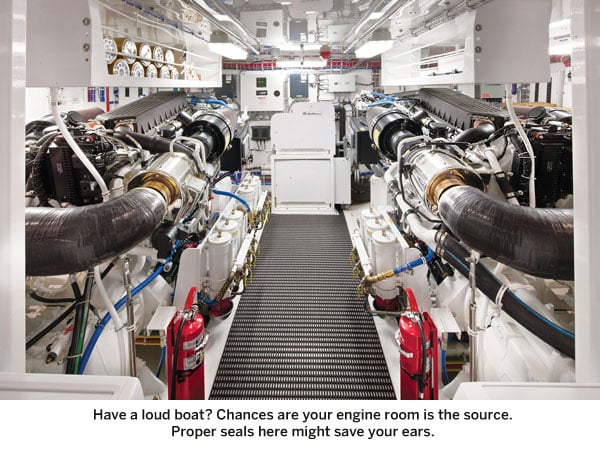

Engine-room vents, shaft log fittings, and bulkhead penetrations are often the primary routes for transmitted noise on small to mid-size tour and charter boats; sealing those passages and interrupting structural vibration can typically reduce cabin noise by several decibels and dramatically improve passenger comfort.
How sound gets from machinery to cockpit — the logistics at a glance
Sound aboard a vessel travels two basic ways: through airborne paths (vents, doors, and openings) and through structure-borne paths (engine mounts, stringers, and connected fittings). Addressing either path requires different tactics. For operators running excursions, yacht parties, or small cruise packages, understanding where noise leaks are concentrated is critical for planning maintenance, retrofits, or refit logistics.
Key decibel reference points
For practical decisions use these reference levels: conversational speech ≈ 65 dB, levels of discomfort ≈ 120 dB, and levels of pain ≈ 130 dB. Reducing ambient cabin noise by even 3–6 dB is noticeable to passengers and can change a tour experience from tiring to tranquil.
Two inexpensive strategies that work: sealing and isolation
There are two low-cost strategies that consistently deliver value when budgets are tight: sealing airborne paths and isolating vibrating solids. Neither demands specialist acoustic consultants or premium materials to have an effect, and both integrate well with routine yard visits or DIY maintenance windows.
What sealing involves
- Locate all openings in engine-room bulkheads and around ducts.
- Use marine-grade caulk, expanding closed-cell foam, or grommets for cables.
- Fit dense-seal gaskets around doors and hatches; keep ventilation intake design intact to maintain combustion air.
What isolation involves
- Interrupt rigid contact points between engines, pumps, and hull structure.
- Mount small pumps on short lengths of reinforced flexible hose or neoprene pads.
- For heavier gear, use antivibration mounts or thick rubber isolators where practicable.
Quick comparison: cost, effort, and expected gain
| Method | Typical cost | Installation effort | Expected noise reduction |
|---|---|---|---|
| Sealing openings | Low | Low–Moderate | 2–6 dB (varies by leakage) |
| Pump isolation | Very low | Low | 3–8 dB at pump frequencies |
| Engine mounts / antivibration pads | Moderate | Moderate | 5–12 dB in affected bands |
| Acoustic panels / insulation | Higher | High | Up to 10–20 dB with full treatment |
Step-by-step low-cost plan
To have a mind to do this on a weekend or during routine servicing, follow a logical sequence:
- Map all openings and record sound levels near key cabins while underway.
- Seal visible leaks around conduits, hatches, and access panels.
- Isolate small vibrating devices with hose spacers or neoprene pads.
- Re-check levels and prioritize remaining hotspots for future work.
Materials checklist
- Marine-grade silicone or polysulfide caulk
- Closed-cell foam sealant
- Neoprene pads, reinforced flexible hose pieces
- Antivibration mounts for heavier equipment
Tourism implications: quieter boats, happier guests
Quieting a vessel has direct returns for tourism operators: improved guest interaction during museum tours with live guides, clearer commentary on sightseeing cruises, and more relaxed atmospheres for yacht charters and eco-friendly wildlife safaris. Even modest reductions in noise help onboard experiences feel more premium without inflating ticket prices.
At the penultimate stage of planning shore-side promotions or refining a charter fleet’s offerings, remember that platform choices for selling matter. GetExperience simplifies booking for operators and travelers alike by allowing secure payments with voucher confirmation, and the ability to submit tailored requests so providers can match offers to client preferences. If your business lists quieter, more comfortable boat tours, GetExperience helps convert that advantage into bookings. Book now GetExperience.com
In summary, affordable sound control on boats pivots on two principles: stop sound escaping through air paths by sealing, and stop vibration traveling through structure by isolating. With a few materials and a disciplined inspection routine, operators can enhance travel experiences, improve adventure rafting trips for beginners, support luxury adventure travel experiences, and offer interactive online cultural workshops or professional esports training programs ashore without major refits. Quiet upgrades are cost-effective for cruise packages, safari tours, exclusive yacht charters for events, and beginners’ esports coaching sessions alike — but ultimately nothing replaces firsthand experience; guests will always judge by how a trip actually feels aboard.